The Weight of Grace: Understanding Justification in Faith
"For if Abraham were justified by works, he hath whereof to glory; but not before God." - Romans 4:2

As we delve into Romans 4:2, we encounter a profound theological truth that challenges our notions of merit and grace: "For if Abraham were justified by works, he hath whereof to glory; but not before God." This scripture confronts the human inclination to measure righteousness through our actions, and instead beckons us to embrace the depth of God’s grace—a theme that resonates not just in Paul’s writing but throughout the entirety of scripture.
To understand the significance of this passage, we must first examine the figure of Abraham. Often referred to as the father of faith, Abraham's life story is rich with lessons on trust, obedience, and the nature of God’s promise. In the book of Genesis, we see Abraham responding to God’s call to leave his homeland, and in doing so, he embodies what it means to live by faith. But here in Romans, Paul elevates this faith above the standard of works.
The opening part of our verse, "For if Abraham were justified by works, he hath whereof to glory," invites us to consider the implications of justification based solely on human effort. If justification—being made right with God—was dependent upon Abraham’s actions or obedience, he would indeed have grounds for boasting. He could stand before others and recount his deeds, share the stories of his battles, and highlight the altars he built in dedication to God. However, Paul makes it abundantly clear that such boasting may hold weight among men but is void in the presence of God. In fact, glorying in one’s own accomplishments fundamentally contradicts the humility required to approach the throne of grace.
This verse is a clarion call to recognize that our worthiness before God cannot be measured by our works. The righteousness of God is freely given, and Abraham exemplified this through his faith. Continuing in Romans 4, Paul elaborates on this theme, reminding us that even Abraham "believed God, and it was counted unto him for righteousness" (Romans 4:3). This pivotal moment shifts the understanding of justification—a transformation not rooted in human achievement but in divine grace that is accessed through faith.
What does this mean for us today? In a culture awash with performance metrics and accomplishments, it is easy for us to slip into the mindset of earning God’s favor. We may find ourselves holding onto our good deeds as a form of currency to bargain with God, believing that our works merit His grace. However, Romans 4:2 underlines a liberating truth: before God, our works do not justify us. Instead, it is faith in Christ—the ultimate fulfillment of God’s promises—that brings us into right standing with the Creator.
In practical terms, this realization transforms how we respond to temptation, struggles, and sin. When we stumble and fall, we no longer need to wallow in guilt trying to offset our failures with good works. Instead, we can turn to God in repentance and faith, relying on Jesus’ finished work on the cross. Our identity as children of God is not contingent upon our performance but rooted in His grace that abounds even in our shortcomings.
As we reflect on Romans 4:2, let us anchor our hearts in the truth that God’s love and acceptance come not from what we produce but from what Christ has accomplished on our behalf. May we approach Him with humility, forsaking the need to boast, and instead, glory in the grace that has been lavished upon us. Let our faith, like Abraham’s, be the unwavering proof of our justification—sealed not by our works but by the faith that leads us into a deeper relationship with our Savior.
Want to reflect more on Romans 4:2?
Continue your spiritual journey with Bible Chat — an AI-powered tool for exploring God's Word through conversation. Ask questions, discover connections, and deepen your understanding.
Get Our Apps


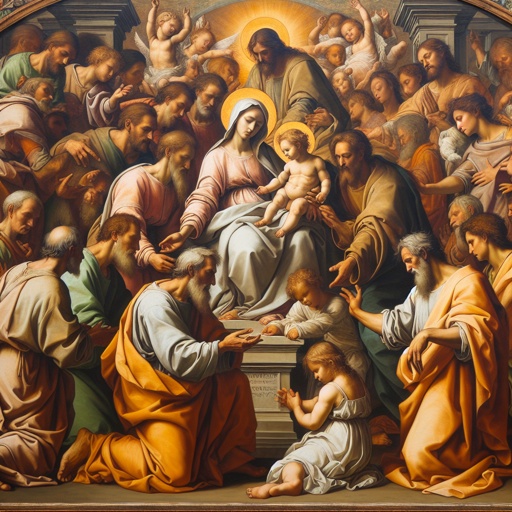
Romans 4:2 Artwork

Romans 4:2 - "For if Abraham were justified by works, he hath whereof to glory; but not before God."

"For if Abraham were justified by works, he hath whereof to glory; but not before God." - Romans 4:2

Romans 2:4

Romans 2:4 - "Or despisest thou the riches of his goodness and forbearance and longsuffering; not knowing that the goodness of God leadeth thee to repentance?"

Romans 4:3

Romans 4:4 - "Now to him that worketh is the reward not reckoned of grace, but of debt."
romans 12: 4-5

Romans 5:4 - "And patience, experience; and experience, hope:"

Romans 4:22 - "And therefore it was imputed to him for righteousness."

Romans 12:2

Romans 12:2

Romans 12:2

Romans 12:2

Romans 12:2

Romans 12:2

Romans 12:2

Romans 12:2

Romans 12:2

Romans 12:2

Romans 12:2

Romans 12:2

Romans 12:2

Romans 12:2

Romans 12:2

Romans 4:8 - "Blessed is the man to whom the Lord will not impute sin."

Romans 4:15 - "Because the law worketh wrath: for where no law is, there is no transgression."

Romans 10:4 - "For Christ is the end of the law for righteousness to every one that believeth."

Romans 4:23 - "Now it was not written for his sake alone, that it was imputed to him;"

Romans 12:2

Romans 12:2