Reflections on Judgment: The Mirror of Our Actions
"And thinkest thou this, O man, that judgest them which do such things, and doest the same, that thou shalt escape the judgment of God?" - Romans 2:3
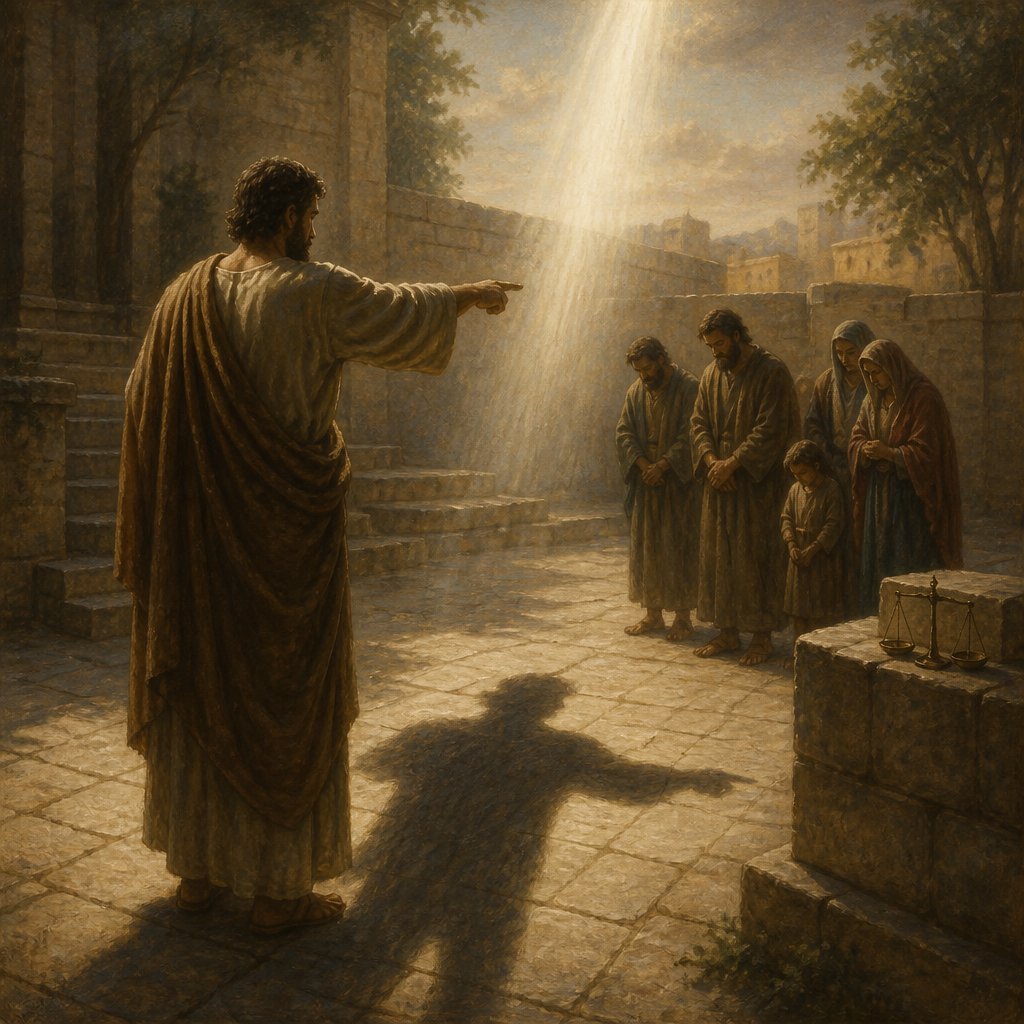
In Romans 2:3, the Apostle Paul poses a poignant question that resonates deeply in the hearts of believers and non-believers alike: "And thinkest thou this, O man, that judgest them which do such things, and doest the same, that thou shalt escape the judgment of God?" This verse serves as a powerful reminder of the dangers of hypocrisy and the importance of self-examination in our walk of faith.
As we navigate our spiritual journeys, it is easy to fall into the trap of judging others while overlooking our own shortcomings. Paul’s words challenge us to confront this tendency head-on. He addresses a universal truth that transcends time: we have a propensity to point fingers at the sins of others while turning a blind eye to our own failings.
What does it mean to judge? In its essence, judgment is the act of forming an opinion or conclusion about someone else, often based on their actions or choices. While discernment is a God-given ability to distinguish right from wrong, judging in the sense Paul refers to is a self-righteous position, positioning ourselves as superior to others. This can manifest in many forms— criticism of lifestyle choices, moral failures, and spiritual beliefs of those around us. However, Paul calls us to a higher standard. He challenges us to consider our own lives before we cast judgment upon others.
The phrase "that dost the same" profoundly underscores the hypocrisy of a judgmental mindset. How often do we condemn behaviors in others that we secretly engage in ourselves? It is a painful truth, revealing the inconsistency in our spiritual lives. When we hold others accountable for sins we, too, are guilty of, we arrogantly assume that God’s standards do not apply to us the same way they do to others. This distorted view not only blinds us to our own faults but also hardens our hearts, creating barriers to genuine compassion, forgiveness, and understanding.
Paul’s question serves as a divine wake-up call, compelling us to reflect on the severity of what it means to escape the judgment of God. The reality is clear: God’s judgment is impartial and it reaches even those who think they are exempt. As believers, we are called to reflect Christ’s love and grace rather than to take on the role of judge and jury. Our focus should not be on the failings of others, but rather on our personal relationship with God, striving for holiness and righteousness.
Self-examination is a critical practice in the life of every Christian. David’s own prayer in Psalm 139:23-24 echoes this call: "Search me, O God, and know my heart: try me, and know my thoughts: And see if there be any wicked way in me, and lead me in the way everlasting." This psalm reflects a humility that challenges us to seek God’s perspective on our lives rather than our own. It prompts us to ask ourselves hard questions: Are there areas of my life where I am being hypocritical? Do I truly walk in the love and forgiveness that I profess?
Moreover, how can we extend grace to others if we fail to recognize and grapple with our own shortcomings? If we desire to be instruments of peace and reconciliation, it starts with acknowledging our human frailty and the reality that we are all in need of God’s mercy. The Gospel tells us that forgiveness must flow freely from us to others, just as it has been freely given to us by Christ.
As we meditate on Romans 2:3, let us approach our judgments with humility. May we ask God to reveal our hearts and clean us of hypocrisy. Let us strive to embody the heart of Christ, who did not come to condemn but to save. In doing so, we will not only escape judgment ourselves but also illuminate a path of grace for others.
Let this verse serve as a daily reminder that the journey of faith is one of ongoing transformation. We are called to scrutinize our own hearts and actions, to love our neighbors, and to encourage one another in the spirit of truth and grace.
Want to reflect more on Romans 2:3?
Continue your spiritual journey with Bible Chat — an AI-powered tool for exploring God's Word through conversation. Ask questions, discover connections, and deepen your understanding.
Get Our Apps


Romans 2:3 Artwork

Romans 2:3 - "And thinkest thou this, O man, that judgest them which do such things, and doest the same, that thou shalt escape the judgment of God?"
"And thinkest thou this, O man, that judgest them which do such things, and doest the same, that thou shalt escape the judgment of God?" - Romans 2:3

Romans 3:2 - "Much every way: chiefly, because that unto them were committed the oracles of God."

Romans 4:3

Romans 3:24

Romans 3:16 - "Destruction and misery are in their ways:"
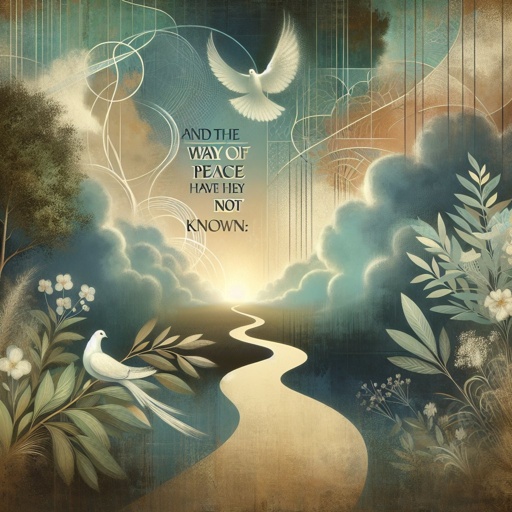
Romans 3:17 - "And the way of peace have they not known:"

Romans 3:15 - "Their feet are swift to shed blood:"

Romans 3:10 - "As it is written, There is none righteous, no, not one:"

Romans 3:18 - "There is no fear of God before their eyes."
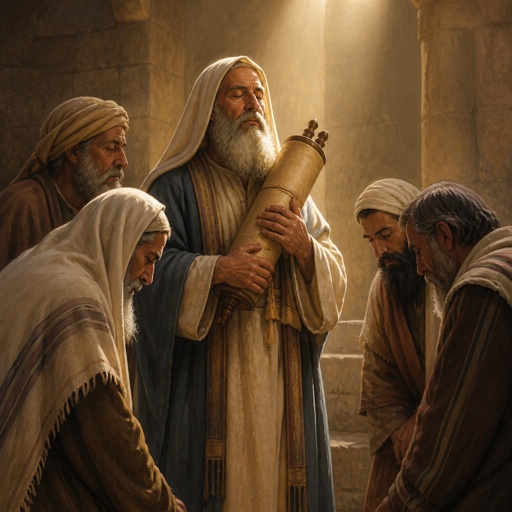
"Much every way: chiefly, because that unto them were committed the oracles of God." - Romans 3:2

Romans 3:3 - "For what if some did not believe? shall their unbelief make the faith of God without effect?"

Romans 3:14 - "Whose mouth is full of cursing and bitterness:"

Romans 12:2

Romans 12:2

Romans 12:2

Romans 12:2

Romans 12:2

Romans 12:2

Romans 12:2

Romans 12:2

Romans 12:2

Romans 12:2

Romans 12:2

Romans 12:2

Romans 12:2

Romans 12:2

Romans 12:2

Romans 3:11 - "There is none that understandeth, there is none that seeketh after God."

Romans 16:3 - "Greet Priscilla and Aquila my helpers in Christ Jesus:"