The Inner Jew: Understanding True Circumcision of the Heart
"For he is not a Jew, which is one outwardly; neither is that circumcision, which is outward in the flesh:" - Romans 2:28
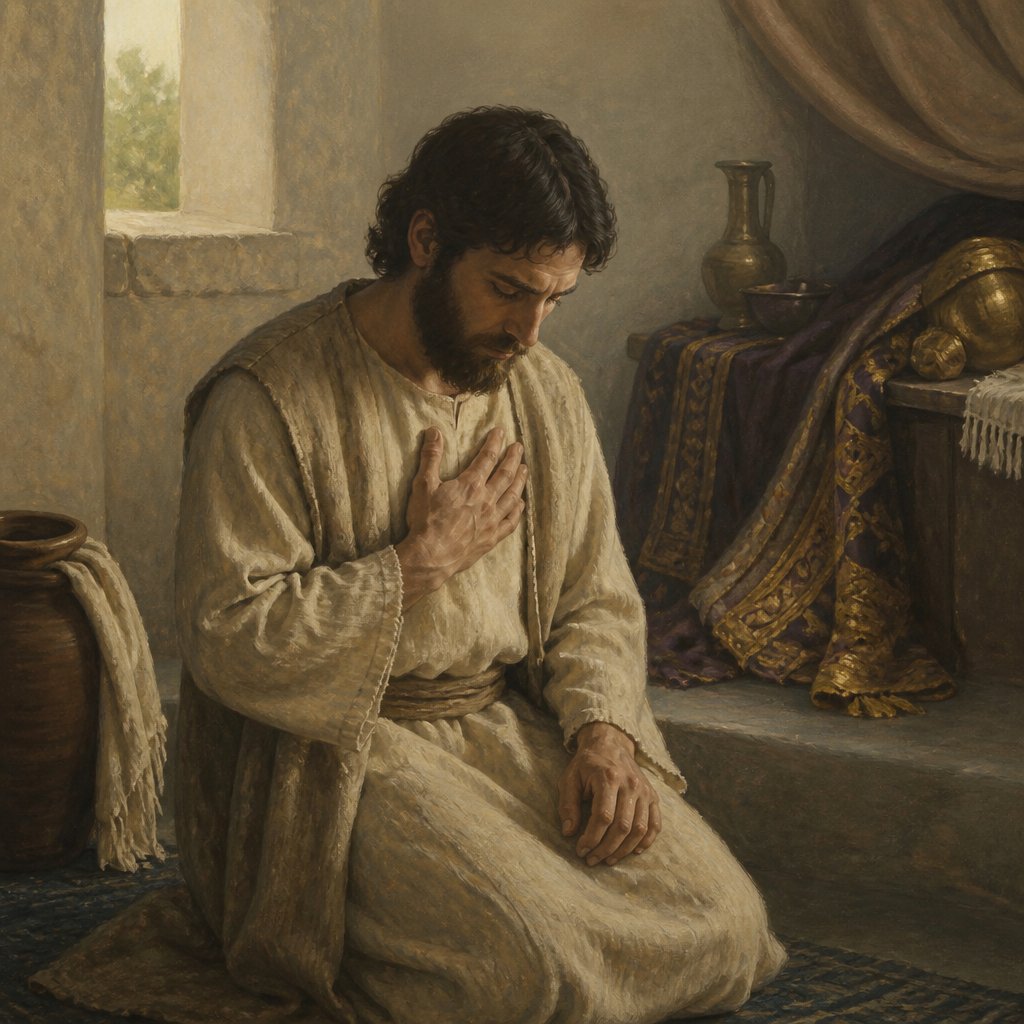
In Romans 2:28, the Apostle Paul writes, "For he is not a Jew, which is one outwardly; neither is that circumcision, which is outward in the flesh." This profound statement calls us to look beyond the surface, inviting a deeper understanding of identity, faith, and the true meaning of belonging to God’s people.
To comprehend the weight of Paul’s words, we must first set the context. The early church, comprising both Jewish and Gentile believers, grappled with the implications of faith in Christ as it challenged long-standing cultural and religious norms. Jews took pride in their heritage, their outward signs of covenantal membership, such as circumcision, and adherence to the Law. Yet Paul, in his epistle, asserts that true identity in Christ transcends the nationality, ethnicity, or external rituals.
Paul's assertion begins a critical conversation that continues today. What does it mean to be a Jew, or, more broadly, a member of God’s family? The outward physical characteristics—such as lineage, observance of the Law, or even the act of circumcision—are mere symbols. They do not define one's relationship with God. Instead, Paul's emphasis is on an internal, spiritual reality. This leads us to ask ourselves: how do we identify our faith? What markers do we rely on to define our belonging to God?
In this modern world, many still cling to external markers—church attendance, traditional practices, or even good deeds. But Paul invites us to evaluate whether these are mere rituals or reflections of a faithful heart. True belonging to God is not reflected in outward appearances or religious traditions, but in a life transformed by grace and indwelt by the Holy Spirit. As Paul continues in Romans 2, he emphasizes the importance of being circumcised in heart, suggesting that what matters is spiritual authenticity rather than ritualistic conformity.
The concept of circumcision is deeply rooted in the covenant between God and His chosen people. Originally, circumcision signified a physical marking of identity, a commitment to God’s commandments. Yet, the new covenant, established through Christ’s sacrifice, shifts the focus from the outward to the inward. Jeremiah 4:4 echoes this sentiment as it urges, "Circumcise yourselves to the Lord, and take away the foreskins of your heart." True circumcision—the act of setting apart as holy—is internal, a matter of the heart.
This deeper circumcision propels us into a transformative journey. We are called to examine our hearts; are they hardened by sin or softened by repentance? Do we prioritize pleasing God over maintaining a facade? In Matthew 23:26, Jesus rebukes the religious leaders, stating, "Thou blind Pharisee, cleanse first that which is within the cup and platter, that the outside of them may be clean also." This message transcends time, urging believers to prioritize inner purity over outward appearances.
Moreover, this emphasis on the heart suggests that God desires authenticity. He is after a relationship, not an empty ritual. We come to Him not through works of the flesh but through faith in Christ and the transformative power of the Holy Spirit. It’s about allowing God’s love to infiltrate our hearts, reshaping us to reflect His character, values, and desires.
As we meditate on Romans 2:28, we are invited into a profound truth: our identity in God is not determined by our heritage, traditions, or outward signs, but by our relationship with Christ. As you reflect on your life, consider this: Are you exhibiting true circumcision of the heart? Are you identifying as part of God’s family by your faith and the fruits of the Spirit in your life?
Let us pray for hearts that are genuinely receptive to God, seeking not just to wear the labels of faith but to embody the very essence of Christ in every aspect of our lives. May the Lord sanctify our hearts, bringing forth a faith that overflows in love, grace, and obedience, manifesting the true mark of a Jew inwardly.
Want to reflect more on Romans 2:28?
Continue your spiritual journey with Bible Chat — an AI-powered tool for exploring God's Word through conversation. Ask questions, discover connections, and deepen your understanding.
Get Our Apps


Romans 2:28 Artwork

Romans 2:28 - "For he is not a Jew, which is one outwardly; neither is that circumcision, which is outward in the flesh:"
"For he is not a Jew, which is one outwardly; neither is that circumcision, which is outward in the flesh:" - Romans 2:28

Romans 2:8 - "But unto them that are contentious, and do not obey the truth, but obey unrighteousness, indignation and wrath,"

Romans 8:28

Romans 8:28

Romans 8:28

Romans 8:28

Romans 8:28

romans 8:26-28
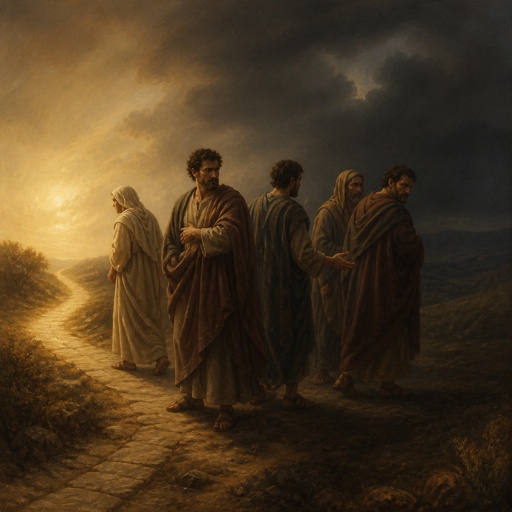
"But unto them that are contentious, and do not obey the truth, but obey unrighteousness, indignation and wrath," - Romans 2:8

Romans 3:28 - "Therefore we conclude that a man is justified by faith without the deeds of the law."

Romans 11:28 - "As concerning the gospel, they are enemies for your sakes: but as touching the election, they are beloved for the fathers' sakes."

Romans 15:28 - "When therefore I have performed this, and have sealed to them this fruit, I will come by you into Spain."

Romans 9:28 - "For he will finish the work, and cut it short in righteousness: because a short work will the Lord make upon the earth."

Romans 8:28 - "And we know that all things work together for good to them that love God, to them who are the called according to his purpose."

Romans 1:28 - "And even as they did not like to retain God in their knowledge, God gave them over to a reprobate mind, to do those things which are not convenient;"

Romans 12:2

Romans 12:2

Romans 12:2

Romans 12:2
Romans 12:2

Romans 12:2

Romans 12:2

Romans 12:2

Romans 12:2

Romans 12:2

Romans 12:2

Romans 12:2

Romans 12:2

Romans 12:2