The Inner Law: Understanding God's Guidance Beyond the Written Code
"For when the Gentiles, which have not the law, do by nature the things contained in the law, these, having not the law, are a law unto themselves:" - Romans 2:14
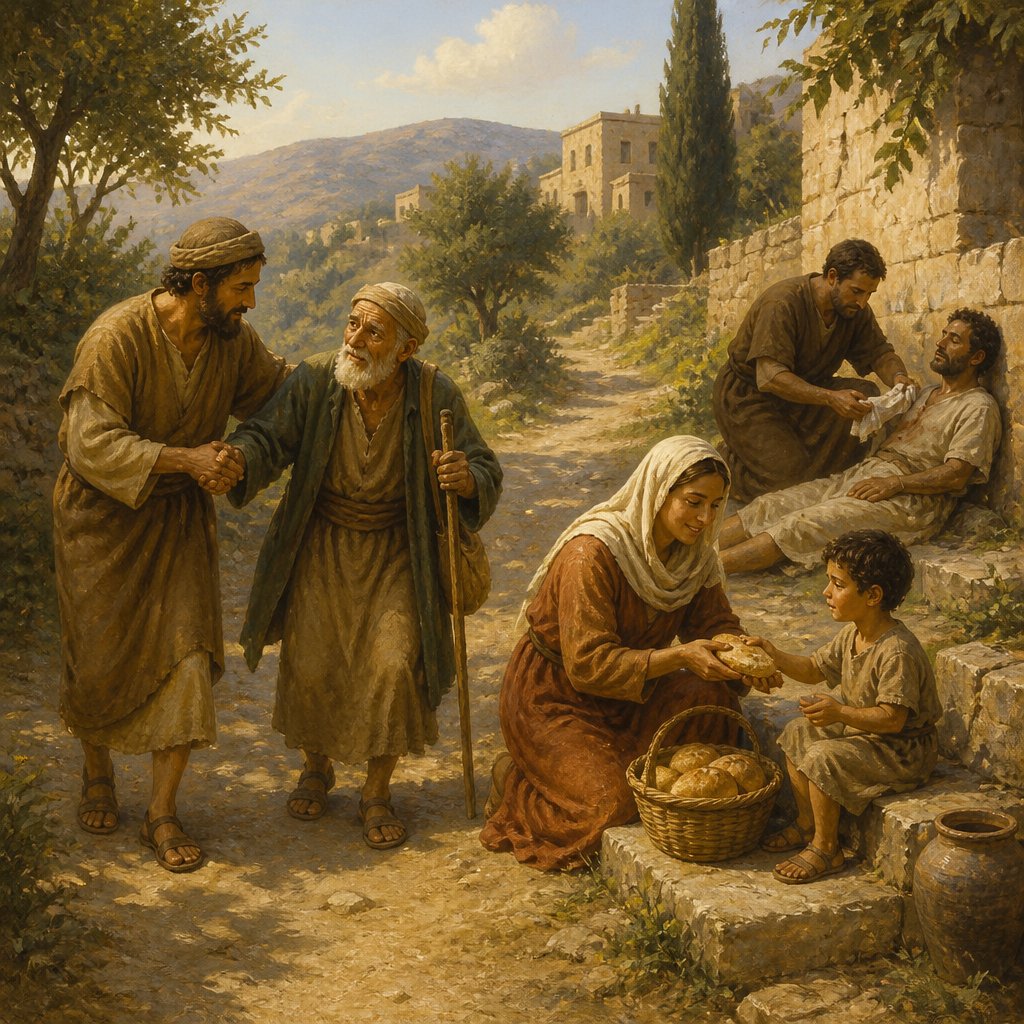
In Romans 2:14, the Apostle Paul presents a profound truth regarding the moral compass inherent in all human beings: "For when the Gentiles, which have not the law, do by nature the things contained in the law, these, having not the law, are a law unto themselves:"
At first glance, this verse invites us to consider the relationship between God's written law and the moral intuitions that many possess even outside of the Jewish tradition. Paul is addressing the Gentiles—those who were not part of the covenant people of Israel—underscoring that they can, without having received the Law of Moses, still perform the righteous acts that the Law prescribes. This assertion challenges preconceived notions that only those who possess the Scriptures are capable of doing good. In essence, Paul suggests that God’s moral framework is inscribed in the hearts of all people.
### The Work of the Law in Our Hearts
This concept of being a "law unto themselves" indicates that there exists a universal moral law that transcends cultures and traditions. It is a reflection of God’s character imprinted upon humanity, suggesting that each person has an innate understanding of right and wrong. This natural law, as it has been termed by theologians, operates even in the absence of explicit revelation through the Scriptures. Thus, the Gentiles, by their actions, demonstrate a compliance with God's will and justice—indicating that they have a moral responsibility, despite not being privy to the biblical laws.
The epistle does not dismiss the necessity of the written law nor the role of divine revelation. Rather, it emphasizes that God’s goodness and truth can be recognized by all humanity. Observe how individuals across different cultures, religions, and backgrounds often adhere to similar ethical standards—compassion, honesty, fidelity, and justice. This is not accidental; it is the work of the Divine Lawgiver revealing Himself through the conscience He has placed within us.
### Conscience as a Mirror
Paul adds an intriguing nuance to this discourse by suggesting in Romans 2:15, that when Gentiles act according to their conscience, it serves as a witness against or for them. The conscience, as an internal witness, acts like a mirror reflecting God’s law upon our hearts. It judges our thoughts and intentions, guiding our actions in accordance with what we perceive to be right. However, this can also lead to confusion, as our consciences can become skewed or seared through repeated disobedience and societal influences.
Herein lies both warning and encouragement. We are called to listen to our consciences and align them with the truth of God’s Word, which serves as the ultimate standard for righteousness. If our conscience agrees with God’s principles, it is a source of affirmation; if not, it presents an opportunity for reflection and repentance.
### Our Calling As Believers
As believers, this passage stimulates a call to humility and a recognition that many people outside the Church may demonstrate God’s moral law through their actions, even if they cannot articulate their understanding of Him. It places upon us the necessity to engage and love the world around us with grace and truth.
It challenges us not to pride ourselves solely on our knowledge of Scripture but to reflect Christ-like behavior that embodies the principles of holiness, love, and justice. We are reminded that God’s glory can be manifested in diverse ways, revealing His love even to those who seem far from Him.
### Conclusion
Thus, Romans 2:14 is not just a theological assertion; it is a powerful testament to God's intricate work throughout humanity. It calls us to reflect on our relationship with God's Law, embrace our conscience as a guiding light towards His righteousness, and live out the Gospel in a way that draws others closer to the understanding of His truth. Each of us carries a piece of God’s moral authority within, making us responsible for both the actions we take and the influence we wield in a world yearning for His love.
Want to reflect more on Romans 2:14?
Continue your spiritual journey with Bible Chat — an AI-powered tool for exploring God's Word through conversation. Ask questions, discover connections, and deepen your understanding.
Get Our Apps


Romans 2:14 Artwork

Romans 2:14 - "For when the Gentiles, which have not the law, do by nature the things contained in the law, these, having not the law, are a law unto themselves:"

"For when the Gentiles, which have not the law, do by nature the things contained in the law, these, having not the law, are a law unto themselves:" - Romans 2:14

Romans 14:2 - "For one believeth that he may eat all things: another, who is weak, eateth herbs."

Romans 14:12

Romans 8:14

Romans 10:14

Romans 14:16 - "Let not then your good be evil spoken of:"

Romans 3:14 - "Whose mouth is full of cursing and bitterness:"

Romans 8:14 - "For as many as are led by the Spirit of God, they are the sons of God."
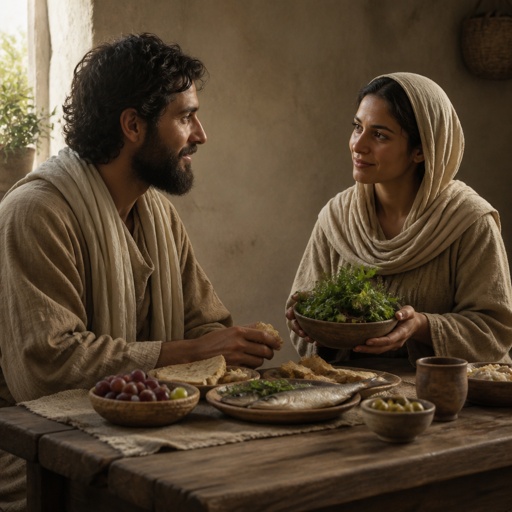
"For one believeth that he may eat all things: another, who is weak, eateth herbs." - Romans 14:2

Romans 14:7 - "For none of us liveth to himself, and no man dieth to himself."

depict the theme of Romans 13:8-14

Romans 14:1 - "Him that is weak in the faith receive ye, but not to doubtful disputations."

Romans 12:14 - "Bless them which persecute you: bless, and curse not."

Romans 9:14 - "What shall we say then? Is there unrighteousness with God? God forbid."

Romans 14:18 - "For he that in these things serveth Christ is acceptable to God, and approved of men."

Romans 14:14 - "I know, and am persuaded by the Lord Jesus, that there is nothing unclean of itself: but to him that esteemeth any thing to be unclean, to him it is unclean."

Romans 14:12 - "So then every one of us shall give account of himself to God."

Romans 1:14 - "I am debtor both to the Greeks, and to the Barbarians; both to the wise, and to the unwise."

Romans 12:2

Romans 12:2

Romans 12:2

Romans 12:2

Romans 12:2

Romans 12:2

Romans 12:2

Romans 16:14 - "Salute Asyncritus, Phlegon, Hermas, Patrobas, Hermes, and the brethren which are with them."

Romans 14:17 - "For the kingdom of God is not meat and drink; but righteousness, and peace, and joy in the Holy Ghost."

Romans 12:2

Romans 12:2