The Fruitfulness of Connection: A Devotional on Romans 1:13
"Now I would not have you ignorant, brethren, that oftentimes I purposed to come unto you, (but was let hitherto,) that I might have some fruit among you also, even as among other Gentiles." - Romans 1:13
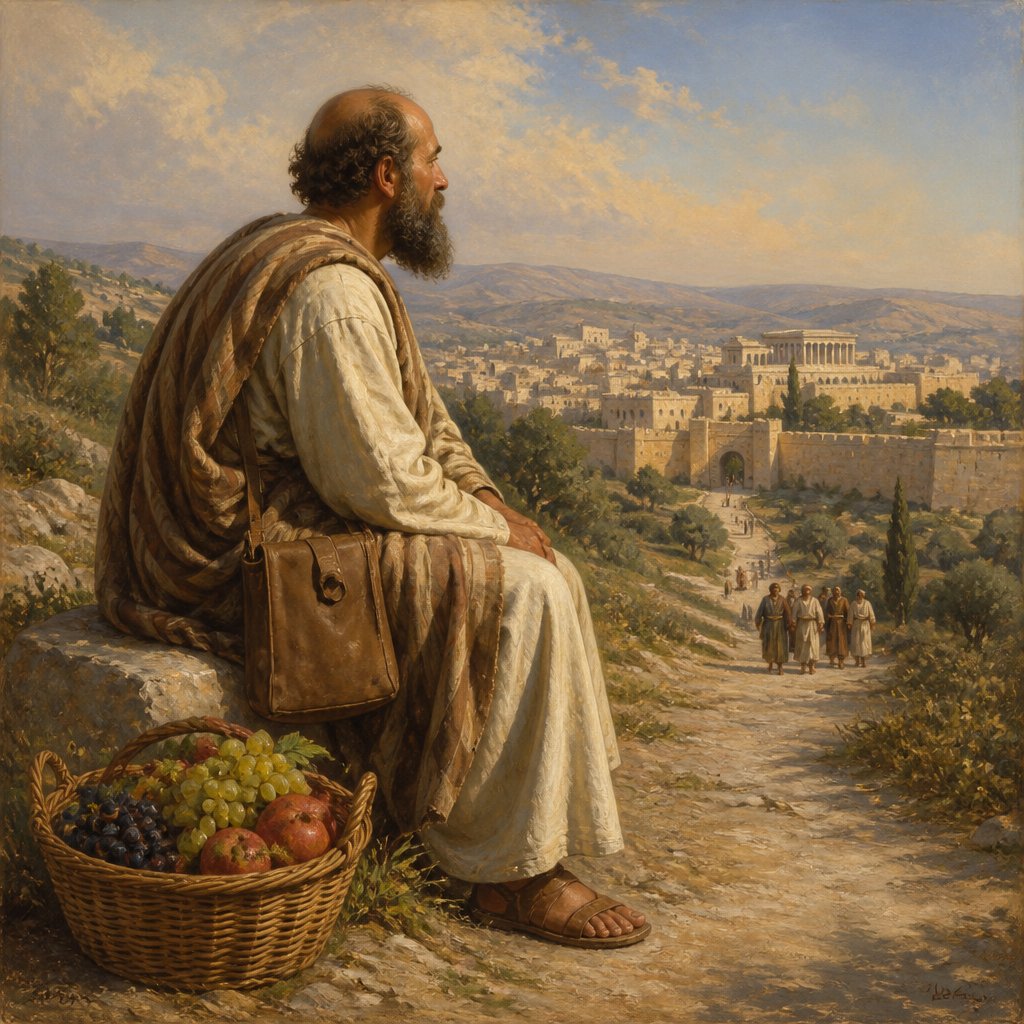
In Romans 1:13, the Apostle Paul writes, "Now I would not have you ignorant, brethren, that oftentimes I purposed to come unto you, (but was let hitherto,) that I might have some fruit among you also, even as among other Gentiles." This verse is a tapestry of Paul's heartfelt longing and theological conviction, woven together by his determination to foster spiritual growth in the lives of the believers in Rome.
Paul begins by addressing the Roman Christians with a familial term, "brethren." This introduction is not merely a formal greeting; it reflects a deep relational bond that he seeks to cultivate. In this one word, he conveys a sense of shared faith, purpose, and love within the body of Christ. Paul’s desire to communicate with them is rooted not just in theological discourse, but in a profound affection for their spiritual well-being.
He candidly expresses his persistent intention to visit them, stating, "oftentimes I purposed to come unto you." Here, we see the sincerity of his missionary heart. Paul's plans were noble, fueled by an earnest desire to bear spiritual fruit among them. The phrase "oftentimes I purposed" suggests that his longing was not a fleeting thought, but rather a consistent prayerful intention that spanned across various moments in time. This reveals that as believers, we should also approach our intentions for service and connection with consistent prayer and striving—not merely hoping but actively seeking opportunities to build up one another in faith.
The phrase "but was let hitherto" introduces a poignant truth about the nature of ministry and life. Despite his fervent desire and careful planning, Paul finds himself hindered from carrying out his intentions. This divine delay leads us to ponder the sovereignty of God and the reality that, at times, our plans may not unfold as we envision. Paul exemplifies a trustworthy characteristic of mature faith: recognizing God’s hand in circumstances and trusting that His ways are higher than ours. This promotes a vital lesson about patience and trust. Just as Paul was hindered but maintained steadfastness in his mission, we too should embrace the interruptions as divine appointments or opportunities for growth and reliance upon God.
Paul’s mention of wanting "some fruit among you" signifies the significant role of community in the Christian journey. The fruit Paul refers to is the evidence of transformed lives—faith, love, and good works that manifest as a result of the Gospel. In Ephesians 2:10, we are reminded that we are created in Christ Jesus for good works, which God prepared beforehand. Paul’s desire to see this fruit among the Roman believers calls to each of us as a community of faith. Are we cultivating an environment of mutual encouragement where believers can thrive and bear fruit? Are we intentionally engaging with one another, using our gifts for the edification of the church?
Furthermore, the distinction he draws between the Roman believers and "other Gentiles" invites reflection on the universality of the Gospel. The fruit of the Spirit is not constrained by cultural or ethnic lines; rather, it transcends boundaries, inviting all people into fellowship and fruitful living.
As we reflect on Romans 1:13, let it encourage us in our own endeavors of serving others, nurturing our faith community, and purposefully seeking out opportunities to share the love of Christ. Let us not be dismayed when plans change or when we are hindered, but instead, let us trust that God’s timing and purposes are at work in and through our lives. Just like Paul, let us remain dedicated to the mission at hand, yearning for fruitful connections that honor God and uplift our brothers and sisters in Christ.
Want to reflect more on Romans 1:13?
Continue your spiritual journey with Bible Chat — an AI-powered tool for exploring God's Word through conversation. Ask questions, discover connections, and deepen your understanding.
Get Our Apps


Romans 1:13 Artwork

Romans 1:13 - "Now I would not have you ignorant, brethren, that oftentimes I purposed to come unto you, (but was let hitherto,) that I might have some fruit among you also, even as among other Gentiles."
"Now I would not have you ignorant, brethren, that oftentimes I purposed to come unto you, (but was let hitherto,) that I might have some fruit among you also, even as among other Gentiles." - Romans 1:13

Romans 13:8

Romans 13:8

Combine the authority theme described in Romans 13:1-7 and Revelation 13:1-10.

Romans 13:1 - "Let every soul be subject unto the higher powers. For there is no power but of God: the powers that be are ordained of God."

Romans 1:3 - "Concerning his Son Jesus Christ our Lord, which was made of the seed of David according to the flesh;"

Show the Divine Order seen in Romans 131:7 with the Beastly Rule seen in Revelation 13:1-10.

Show the Divine Order seen in Romans 131:7 with the Beastly Rule seen in Revelation 13:1-10.

Romans 10:13-15

Show the Divine Order seen in Romans 131:7 with the Beastly Rule seen in Revelation 13:1-10.

Show the Divine Order seen in Romans 131:7 with the Beastly Rule seen in Revelation 13:1-10.

Romans 13:13 - "Let us walk honestly, as in the day; not in rioting and drunkenness, not in chambering and wantonness, not in strife and envying."

"Concerning his Son Jesus Christ our Lord, which was made of the seed of David according to the flesh;" - Romans 1:3

Romans 12:13 - "Distributing to the necessity of saints; given to hospitality."

Show the Divine Order of government authority seen in Romans 131:7 contrasted with the Beastly Rule faced in Revelation 13:1-10.

Romans 16:13 - "Salute Rufus chosen in the Lord, and his mother and mine."

depict the theme of Romans 13:8-14

Romans 10:13 - "For whosoever shall call upon the name of the Lord shall be saved."

Romans 5:13 - "(For until the law sin was in the world: but sin is not imputed when there is no law."

"Let every soul be subject unto the higher powers. For there is no power but of God: the powers that be are ordained of God." - Romans 13:1

Romans 13:10 - "Love worketh no ill to his neighbour: therefore love is the fulfilling of the law."

Romans 2:13 - "(For not the hearers of the law are just before God, but the doers of the law shall be justified."

Romans 9:13 - "As it is written, Jacob have I loved, but Esau have I hated."

Romans 13:5 - "Wherefore ye must needs be subject, not only for wrath, but also for conscience sake."

Romans 3:13 - "Their throat is an open sepulchre; with their tongues they have used deceit; the poison of asps is under their lips:"

Romans 13:14 - "But put ye on the Lord Jesus Christ, and make not provision for the flesh, to fulfil the lusts thereof."

Romans 1

Romans 8:1

"Distributing to the necessity of saints; given to hospitality." - Romans 12:13