Faithful Servant: The Legacy of Phebe
"I commend unto you Phebe our sister, which is a servant of the church which is at Cenchrea:" - Romans 16:1
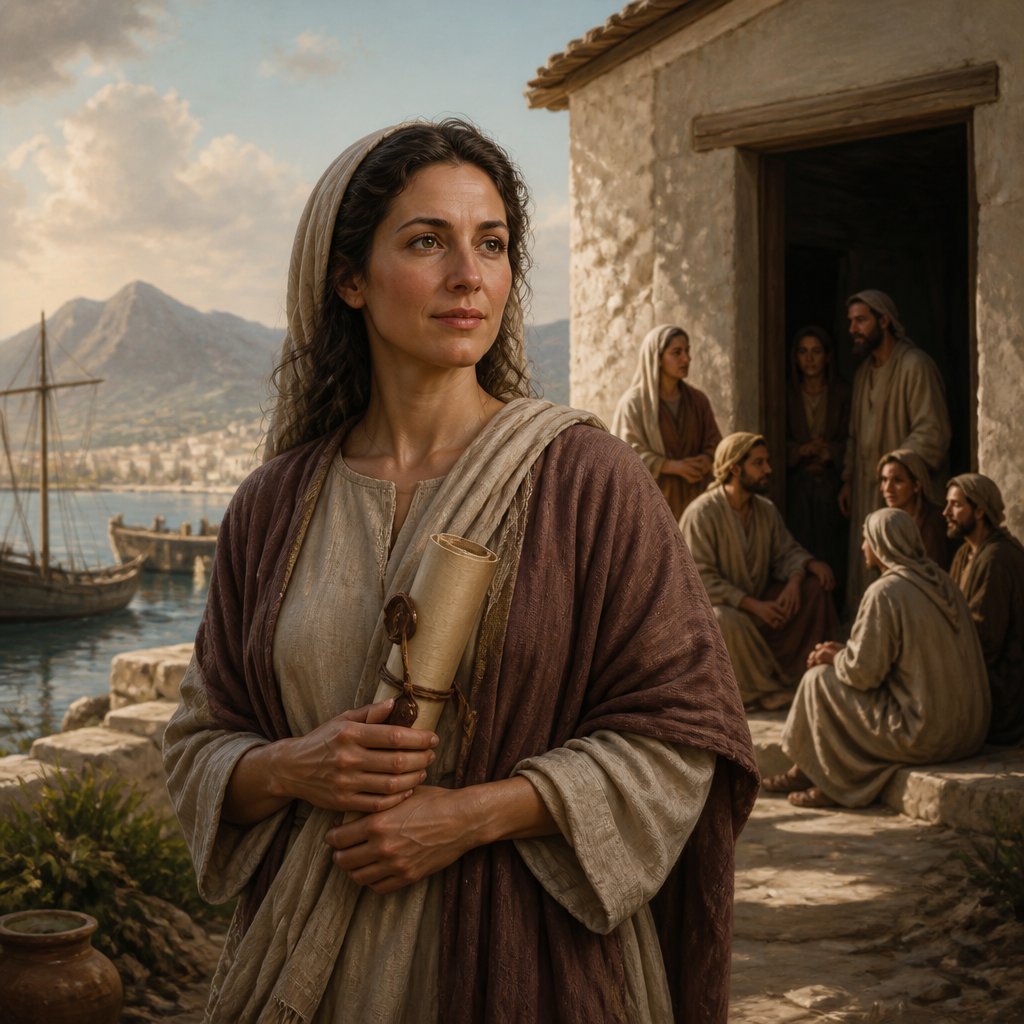
Introduction:
In Romans 16:1, the Apostle Paul writes, "I commend unto you Phebe our sister, which is a servant of the church which is at Cenchrea." This verse, albeit brief, invites us into a deeper understanding of what it means to be a servant of the Church and serves as a reminder of the unsung heroes of our faith. In a world enamored with fame and recognition, Phebe is a testament to the beauty of humble service within the body of Christ.
Understanding Phebe:
Phebe, mentioned in the context of the early Church, was a pivotal figure in Paul's ministry. Cenchrea, being a port city near Corinth, was of great importance in the spread of Christianity. The mention of Phebe as a "servant" (or deaconess) underlines her role not just as a helper but as someone who was entrusted with significant responsibilities in the church. The term used here emphasizes her dedication to serving and caring for others—an embodiment of Christ’s love in action.
The Importance of Service:
Service is often overshadowed by positions of prestige within the church. However, Phebe's commendation challenges this narrative. Paul is acknowledging her laborious work and resilience. The Greek word for servant, “diakonos,” implies a role rooted in service and ministry. It signifies not only function but also a sense of spiritual authority conferred upon her as a caretaker of the Church.
In our lives, we encounter numerous opportunities to serve, often in ways that may seem small or insignificant. Yet, every act of service, no matter how trivial it might appear, is invaluable in the kingdom of God. Just as Phebe's efforts contributed to the well-being of her congregation, our contributions, whether large or small, resonate within the tapestry of ministry.
Phebe’s example extends beyond her mere identification as a servant. She carried Paul's message to the Romans, acting as a bridge between the church in Cenchrea and those in Rome. This responsibility required not just trust but also an immense commitment to the mission of spreading the Gospel. Phebe reminds us that the call to serve often involves sacrifice, as we embrace responsibilities that God places before us.
Walking in Phebe’s Footsteps:
As believers, how can we mirror Phebe’s ethos? We start by recognizing our spiritual gifts and using them in service of others. Just as Phebe exhibited faithfulness in her calling, we too must cultivate faithfulness in our roles—at church, in our families, workplaces, and communities. Ask yourself, "How can I serve today? What opportunities can I seize to be a blessing to someone else?"
In doing so, we align our actions with the heart of Christ, who dedicated His life to serving humanity.
A Community of Servants:
Paul’s commendation of Phebe also sheds light on the communal aspect of the Christian faith. The acknowledgment by Paul underlines how interconnected and vital each member is to the body of Christ. Our churches can thrive when each member takes on the mantle of service, just like Phebe. Serving should not be a burden but rather a joyful expression of love, drawing believers closer together in harmony and purpose.
Conclusion:
In a world that often seeks recognition and accolades, we are drawn back to the loving commendation of a faithful servant like Phebe. Let her story be a reminder that the essence of our faith is expressed through service—both to God and to one another. As we commit ourselves to serve in the spirit of Phebe, we not only grow closer to Christ, but we also foster a deep sense of community in our churches. Praise be to God for the unseen servants like Phebe, who play an essential role in His divine plan.
Want to reflect more on Romans 16:1?
Continue your spiritual journey with Bible Chat — an AI-powered tool for exploring God's Word through conversation. Ask questions, discover connections, and deepen your understanding.
Get Our Apps


Romans 16:1 Artwork

Romans 16:1 - "I commend unto you Phebe our sister, which is a servant of the church which is at Cenchrea:"
"I commend unto you Phebe our sister, which is a servant of the church which is at Cenchrea:" - Romans 16:1

Create an image that depicts what we see In Romans 16:1-16, 21-23, where Paul is writing his letter and concluding it to the church in Rome by greeting a long list of individuals. These greetings reveal the incredible diversity of the early church, including people of different ethnic backgrounds, social standings, and both men and women. Paul mentions several women, including Phoebe, Priscilla, and Mary, who were actively serving and respected within the community, despite the cultural norms that often marginalized women. Paul also describes these individuals with terms of endearment, such as “my beloved” and “my fellow workers,” showing his deep care and genuine relationships with the people, even though he had never visited the church in Rome. Throughout this list, Paul repeatedly emphasizes that these relationships and their service are “in Christ” or “in the Lord,” underscoring the unity they share in Jesus. This passage serves as a beautiful picture of a diverse but unified church, connected by their faith and love for Christ.
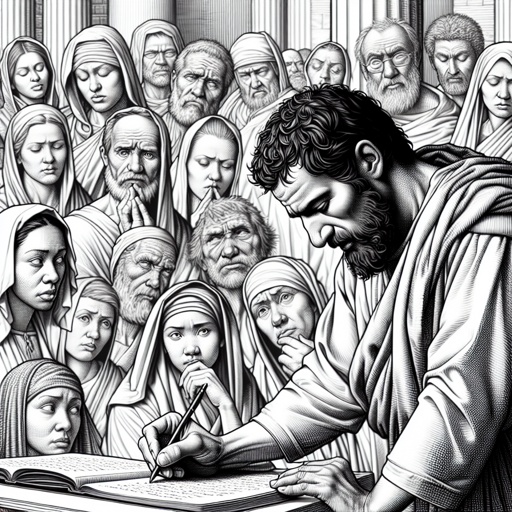
Create an image that depicts what we see In Romans 16:1-16, 21-23, where Paul is writing his letter and concluding it to the church in Rome by greeting a long list of individuals -- thinking of them in his mind. These greetings reveal the incredible diversity of the early church, including people of different ethnic backgrounds, social standings, and both men and women. Paul mentions several women, including Phoebe, Priscilla, and Mary, who were actively serving and respected within the community, despite the cultural norms that often marginalized women. Paul also describes these individuals with terms of endearment, such as “my beloved” and “my fellow workers,” showing his deep care and genuine relationships with the people, even though he had never visited the church in Rome. Throughout this list, Paul repeatedly emphasizes that these relationships and their service are “in Christ” or “in the Lord,” underscoring the unity they share in Jesus. This passage serves as a beautiful picture of a diverse but unified church, connected by their faith and love for Christ.

Create an image that depicts what we see In Romans 16:1-16, 21-23, where Paul concludes his letter to the church in Rome by greeting a long list of individuals. These greetings reveal the incredible diversity of the early church, including people of different ethnic backgrounds, social standings, and both men and women. Paul mentions several women, including Phoebe, Priscilla, and Mary, who were actively serving and respected within the community, despite the cultural norms that often marginalized women. Paul also describes these individuals with terms of endearment, such as “my beloved” and “my fellow workers,” showing his deep care and genuine relationships with the people, even though he had never visited the church in Rome. Throughout this list, Paul repeatedly emphasizes that these relationships and their service are “in Christ” or “in the Lord,” underscoring the unity they share in Jesus. This passage serves as a beautiful picture of a diverse but unified church, connected by their faith and love for Christ.
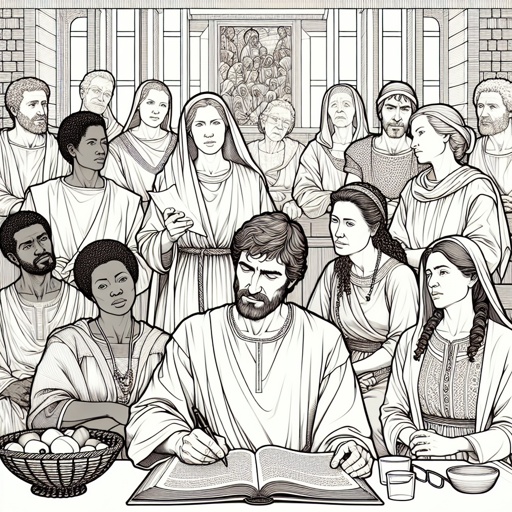
Create an image that depicts what we see In Romans 16:1-16, 21-23, where Paul is writing his letter and concluding it to the church in Rome by greeting a long list of individuals. These greetings reveal the incredible diversity of the early church, including people of different ethnic backgrounds, social standings, and both men and women. Paul mentions several women, including Phoebe, Priscilla, and Mary, who were actively serving and respected within the community, despite the cultural norms that often marginalized women. Paul also describes these individuals with terms of endearment, such as “my beloved” and “my fellow workers,” showing his deep care and genuine relationships with the people, even though he had never visited the church in Rome. Throughout this list, Paul repeatedly emphasizes that these relationships and their service are “in Christ” or “in the Lord,” underscoring the unity they share in Jesus. This passage serves as a beautiful picture of a diverse but unified church, connected by their faith and love for Christ.
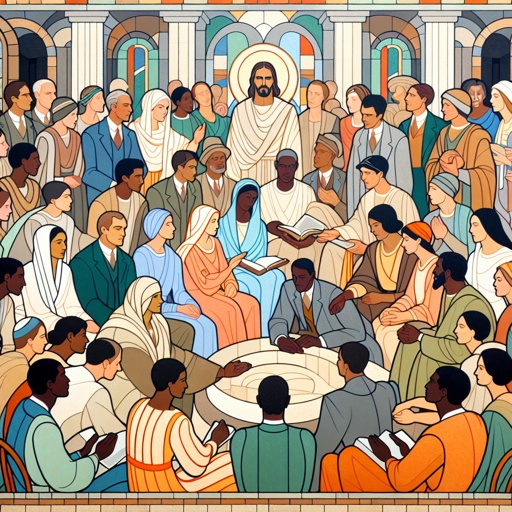
Create an image that depicts what we see In Romans 16:1-16, 21-23, where Paul is writing his letter and concluding it to the church in Rome by greeting a long list of individuals. These greetings reveal the incredible diversity of the early church, including people of different ethnic backgrounds, social standings, and both men and women. Paul mentions several women, including Phoebe, Priscilla, and Mary, who were actively serving and respected within the community, despite the cultural norms that often marginalized women. Paul also describes these individuals with terms of endearment, such as “my beloved” and “my fellow workers,” showing his deep care and genuine relationships with the people, even though he had never visited the church in Rome. Throughout this list, Paul repeatedly emphasizes that these relationships and their service are “in Christ” or “in the Lord,” underscoring the unity they share in Jesus. This passage serves as a beautiful picture of a diverse but unified church, connected by their faith and love for Christ.
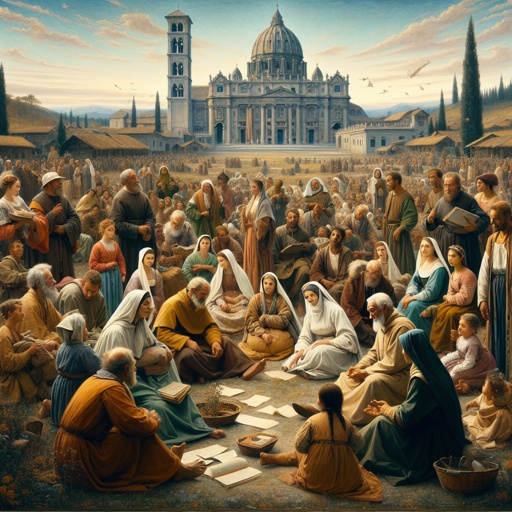
Create an image that depicts what we see In Romans 16:1-16, 21-23, where Paul is writing his letter and concluding it to the church in Rome by greeting a long list of individuals. These greetings reveal the incredible diversity of the early church, including people of different ethnic backgrounds, social standings, and both men and women. Paul mentions several women, including Phoebe, Priscilla, and Mary, who were actively serving and respected within the community, despite the cultural norms that often marginalized women. Paul also describes these individuals with terms of endearment, such as “my beloved” and “my fellow workers,” showing his deep care and genuine relationships with the people, even though he had never visited the church in Rome. Throughout this list, Paul repeatedly emphasizes that these relationships and their service are “in Christ” or “in the Lord,” underscoring the unity they share in Jesus. This passage serves as a beautiful picture of a diverse but unified church, connected by their faith and love for Christ.
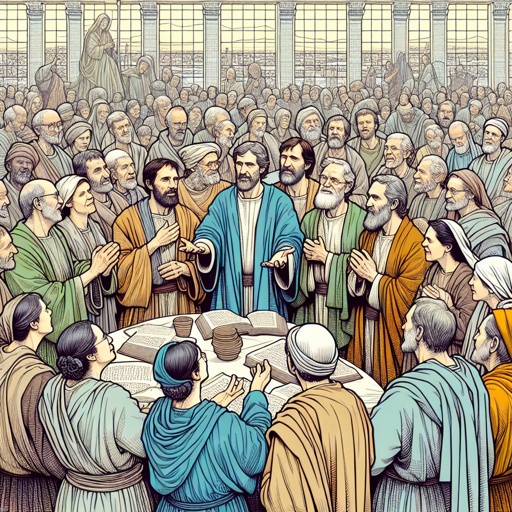
Create an image that depicts what we see In Romans 16:1-16, 21-23, where Paul concludes his letter to the church in Rome by greeting a long list of individuals. These greetings reveal the incredible diversity of the early church, including people of different ethnic backgrounds, social standings, and both men and women. Paul mentions several women, including Phoebe, Priscilla, and Mary, who were actively serving and respected within the community, despite the cultural norms that often marginalized women. Paul also describes these individuals with terms of endearment, such as “my beloved” and “my fellow workers,” showing his deep care and genuine relationships with the people, even though he had never visited the church in Rome. Throughout this list, Paul repeatedly emphasizes that these relationships and their service are “in Christ” or “in the Lord,” underscoring the unity they share in Jesus. This passage serves as a beautiful picture of a diverse but unified church, connected by their faith and love for Christ.
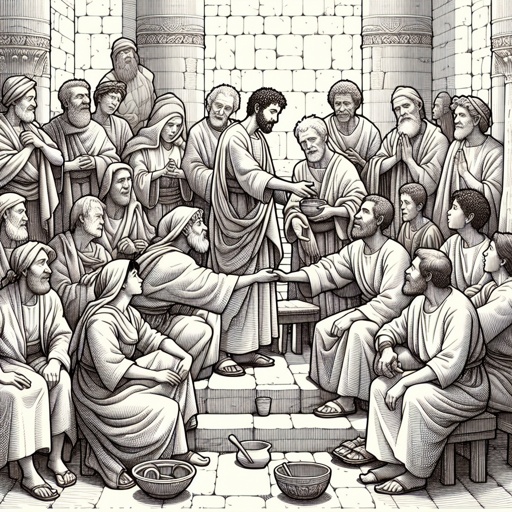
Create an image that depicts what we see In Romans 16:1-16, 21-23, where Paul concludes his letter to the church in Rome by greeting a long list of individuals. These greetings reveal the incredible diversity of the early church, including people of different ethnic backgrounds, social standings, and both men and women. Paul mentions several women, including Phoebe, Priscilla, and Mary, who were actively serving and respected within the community, despite the cultural norms that often marginalized women. Paul also describes these individuals with terms of endearment, such as “my beloved” and “my fellow workers,” showing his deep care and genuine relationships with the people, even though he had never visited the church in Rome. Throughout this list, Paul repeatedly emphasizes that these relationships and their service are “in Christ” or “in the Lord,” underscoring the unity they share in Jesus. This passage serves as a beautiful picture of a diverse but unified church, connected by their faith and love for Christ.
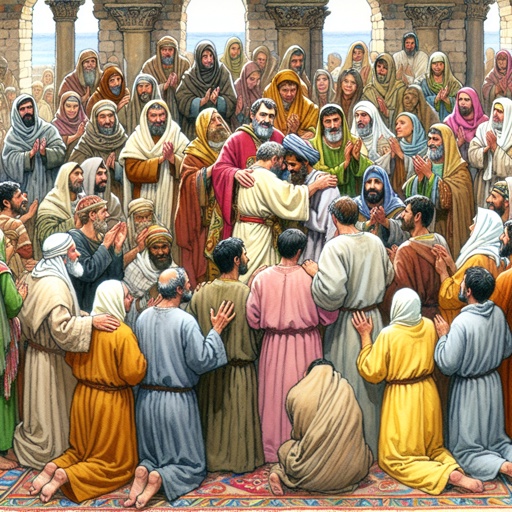
Create an image that depicts what we see In Romans 16:1-16, 21-23, where Paul concludes his letter to the church in Rome by greeting a long list of individuals. These greetings reveal the incredible diversity of the early church, including people of different ethnic backgrounds, social standings, and both men and women. Paul mentions several women, including Phoebe, Priscilla, and Mary, who were actively serving and respected within the community, despite the cultural norms that often marginalized women. Paul also describes these individuals with terms of endearment, such as “my beloved” and “my fellow workers,” showing his deep care and genuine relationships with the people, even though he had never visited the church in Rome. Throughout this list, Paul repeatedly emphasizes that these relationships and their service are “in Christ” or “in the Lord,” underscoring the unity they share in Jesus. This passage serves as a beautiful picture of a diverse but unified church, connected by their faith and love for Christ.
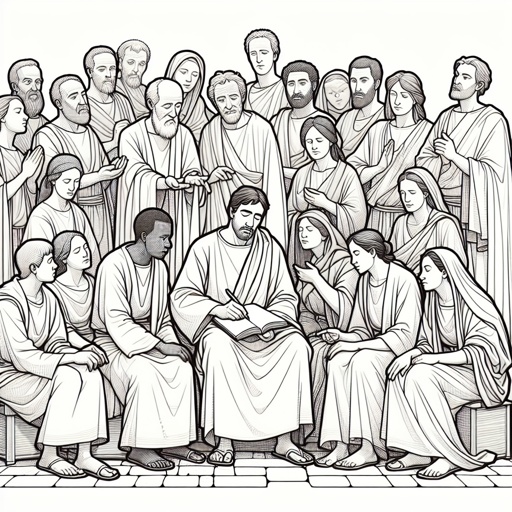
Create an image that depicts what we see In Romans 16:1-16, 21-23, where Paul is writing his letter and concluding it to the church in Rome by greeting a long list of individuals. These greetings reveal the incredible diversity of the early church, including people of different ethnic backgrounds, social standings, and both men and women. Paul mentions several women, including Phoebe, Priscilla, and Mary, who were actively serving and respected within the community, despite the cultural norms that often marginalized women. Paul also describes these individuals with terms of endearment, such as “my beloved” and “my fellow workers,” showing his deep care and genuine relationships with the people, even though he had never visited the church in Rome. Throughout this list, Paul repeatedly emphasizes that these relationships and their service are “in Christ” or “in the Lord,” underscoring the unity they share in Jesus. This passage serves as a beautiful picture of a diverse but unified church, connected by their faith and love for Christ.
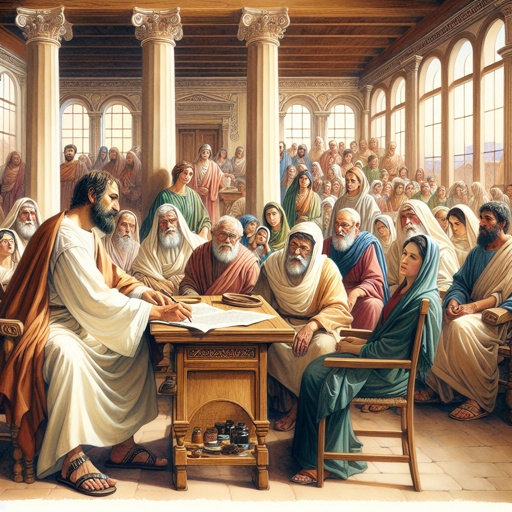
Create an image that depicts what we see In Romans 16:1-16, 21-23, where Paul is writing his letter and concluding it to the church in Rome by greeting a long list of individuals. These greetings reveal the incredible diversity of the early church, including people of different ethnic backgrounds, social standings, and both men and women. Paul mentions several women, including Phoebe, Priscilla, and Mary, who were actively serving and respected within the community, despite the cultural norms that often marginalized women. Paul also describes these individuals with terms of endearment, such as “my beloved” and “my fellow workers,” showing his deep care and genuine relationships with the people, even though he had never visited the church in Rome. Throughout this list, Paul repeatedly emphasizes that these relationships and their service are “in Christ” or “in the Lord,” underscoring the unity they share in Jesus. This passage serves as a beautiful picture of a diverse but unified church, connected by their faith and love for Christ.

Create an image that depicts what we see In Romans 16:1-16, 21-23, where Paul concludes his letter to the church in Rome by greeting a long list of individuals. These greetings reveal the incredible diversity of the early church, including people of different ethnic backgrounds, social standings, and both men and women. Paul mentions several women, including Phoebe, Priscilla, and Mary, who were actively serving and respected within the community, despite the cultural norms that often marginalized women. Paul also describes these individuals with terms of endearment, such as “my beloved” and “my fellow workers,” showing his deep care and genuine relationships with the people, even though he had never visited the church in Rome. Throughout this list, Paul repeatedly emphasizes that these relationships and their service are “in Christ” or “in the Lord,” underscoring the unity they share in Jesus. This passage serves as a beautiful picture of a diverse but unified church, connected by their faith and love for Christ.
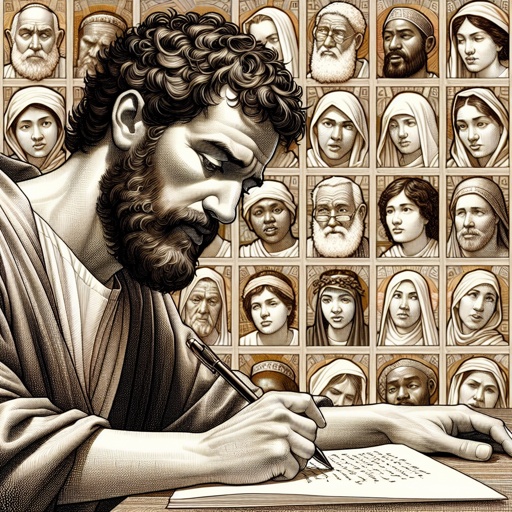
Create an image that depicts what we see In Romans 16:1-16, 21-23, where Paul is writing his letter and concluding it to the church in Rome by greeting a long list of individuals -- thinking of them in his mind. These greetings reveal the incredible diversity of the early church, including people of different ethnic backgrounds, social standings, and both men and women. Paul mentions several women, including Phoebe, Priscilla, and Mary, who were actively serving and respected within the community, despite the cultural norms that often marginalized women. Paul also describes these individuals with terms of endearment, such as “my beloved” and “my fellow workers,” showing his deep care and genuine relationships with the people, even though he had never visited the church in Rome. Throughout this list, Paul repeatedly emphasizes that these relationships and their service are “in Christ” or “in the Lord,” underscoring the unity they share in Jesus. This passage serves as a beautiful picture of a diverse but unified church, connected by their faith and love for Christ.

Romans 1:16 to the Jew first

Romans 1:16 - "For I am not ashamed of the gospel of Christ: for it is the power of God unto salvation to every one that believeth; to the Jew first, and also to the Greek."

Romans 8:16

Romans 16:17

Romans 16:17

Romans 16:17

Romans 16:16 - "Salute one another with an holy kiss. The churches of Christ salute you."

Romans 8:15-16

Romans 3:16 - "Destruction and misery are in their ways:"

Romans 16:8 - "Greet Amplias my beloved in the Lord."

Romans 14:16 - "Let not then your good be evil spoken of:"

Romans 16:6 - "Greet Mary, who bestowed much labour on us."

Romans 16:3 - "Greet Priscilla and Aquila my helpers in Christ Jesus:"

Romans 16:13 - "Salute Rufus chosen in the Lord, and his mother and mine."

"Destruction and misery are in their ways:" - Romans 3:16