The Persuasion of the Heart: Embracing Individual Convictions
"One man esteemeth one day above another: another esteemeth every day alike. Let every man be fully persuaded in his own mind." - Romans 14:5
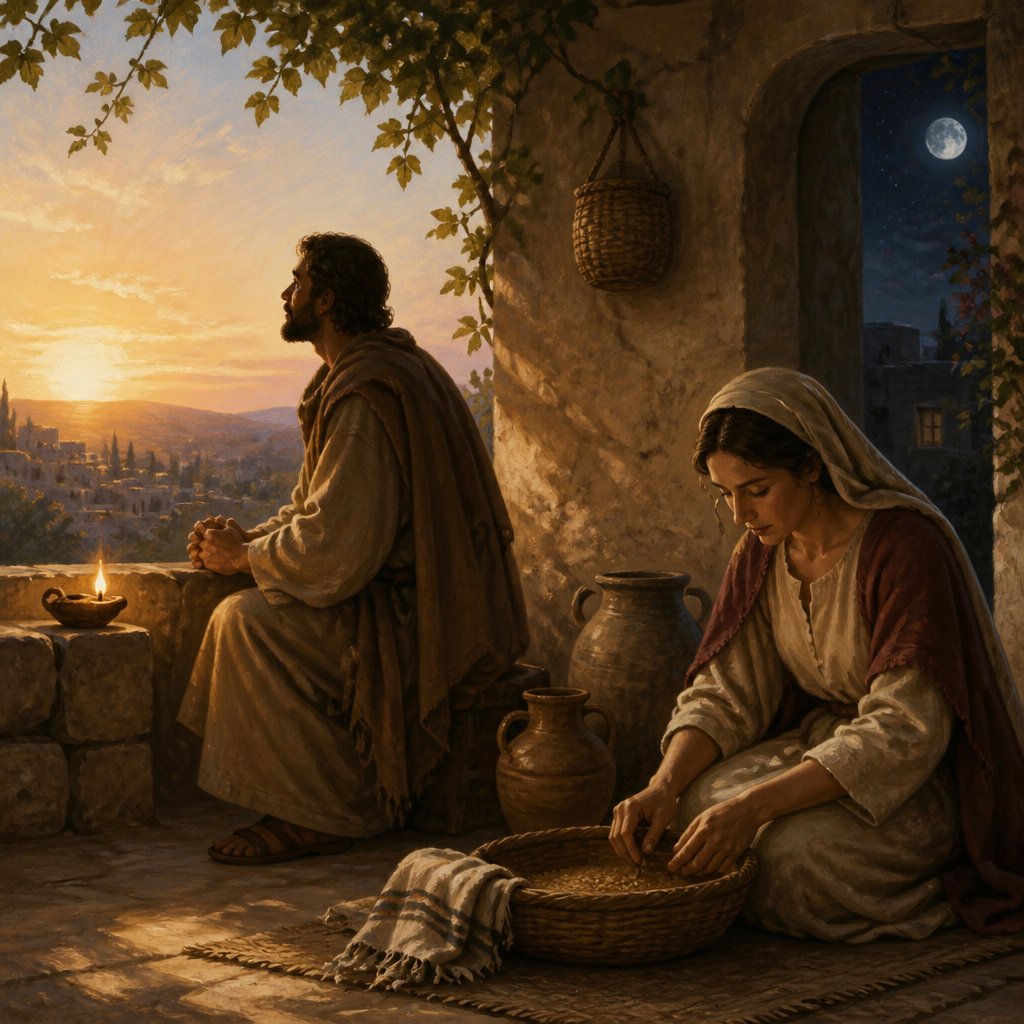
In the realm of faith and spirituality, the diversity of beliefs and practices among believers often leads to rich discussions and sometimes heated debates. The apostle Paul, in his letter to the Romans, addresses one such matter in Romans 14:5, where he states, "One man esteemeth one day above another: another esteemeth every day alike. Let every man be fully persuaded in his own mind."
This particular verse distills a profound principle within the Christian faith—the dignity of personal conviction. The context of Romans 14 deals with the issues of dietary laws and observance of specific days, which were quite relevant to the early church, composed of both Jewish and Gentile believers. In essence, Paul is admonishing them to recognize their differing backgrounds and spiritual journeys while fostering a spirit of acceptance and understanding.
At first glance, this verse may seem like a simple commentary on observances; however, it unveils deeper truths about our individual relationships with God. The phrase "Let every man be fully persuaded in his own mind" carries significant weight. It calls attention to the inward conviction each believer must cultivate, emphasizing that one's faith should not be dictated by the opinions or practices of others but should stem from personal conviction nurtured by prayer, study of Scripture, and the guidance of the Holy Spirit.
To esteem a day above another is to hold certain significance in observance, deriving meaning from traditions that have shaped our spiritual landscape. For Jewish believers, the Sabbath carries deep covenantal significance, a day set apart to recall God's rest after creation. For others, especially Gentile believers, every day may blend into a testament to God’s ongoing work in their lives, unfettered from the bindings of the law. Herein lies the essence Paul wants to convey: both perspectives hold validity before God when anchored in genuine faith and respect.
Yet, how do we navigate a world where differing convictions can lead to division? The key lies in the phrase "Let every man be fully persuaded in his own mind." This call to persuasion challenges us to explore the depths of our beliefs and practice self-examination. Are our beliefs settled on the authority of Scripture, or are they a reflection of cultural inferences and societal norms? This exploration might lead us to reevaluate practices that do not align with our walk with Christ—helping us let go of traditions that might hinder our faith.
Moreover, as we delve into our personal conviction, we bear a responsibility towards others. While we are free to pursue our paths of understanding, we are also called to extend grace and love towards those who may see things differently. Romans 14 urges us to create an atmosphere that encourages growth rather than judgment. An openness to hear differing opinions can foster a community where diverse expressions of faith are not just tolerated but celebrated as part of the body of Christ.
In practical terms, this means engaging with our brothers and sisters in Christ with humility and love. The verses surrounding Romans 14:5 remind us not to let our liberty in Christ become a stumbling block to those still discerning their faith journey. We must learn to adopt a mindset of edification over condemnation, ensuring that we are not causing others to falter in their beliefs while holding to our own convictions.
Ultimately, Romans 14:5 becomes a rallying cry for personal and communal harmony within diversity. As we pursue our relationship with God, may we embrace our convictions while being fully persuasive in our own hearts. And in doing so, let us walk alongside our fellow believers with compassion, creating a tapestry of faith that reflects the rich and beautiful diversity of God’s creation. May we continually seek unity amid our differences, recognizing that it is not the day we observe or the customs we embrace that defines our faith, but our unwavering trust in Jesus Christ.
Want to reflect more on Romans 14:5?
Continue your spiritual journey with Bible Chat — an AI-powered tool for exploring God's Word through conversation. Ask questions, discover connections, and deepen your understanding.
Get Our Apps


Romans 14:5 Artwork

Romans 14:5 - "One man esteemeth one day above another: another esteemeth every day alike. Let every man be fully persuaded in his own mind."

Romans 14:5-6 - "One person considers one day more sacred than another; another considers every day alike. Each of them should be fully convinced in their own mind. Whoever regards one day as special does so to the Lord. Whoever eats meat does so to the Lord, for they give thanks to God; and whoever abstains does so to the Lord and gives thanks to God."
"One man esteemeth one day above another: another esteemeth every day alike. Let every man be fully persuaded in his own mind." - Romans 14:5
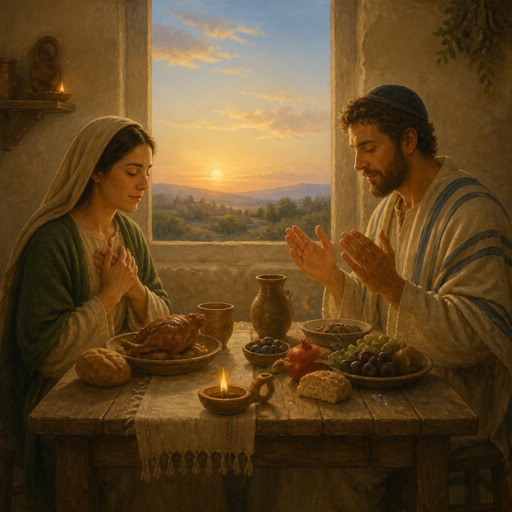
"One person considers one day more sacred than another; another considers every day alike. Each of them should be fully convinced in their own mind. Whoever regards one day as special does so to the Lord. Whoever eats meat does so to the Lord, for they give thanks to God; and whoever abstains does so to the Lord and gives thanks to God." - Romans 14:5-6

Romans 5:14 - "Nevertheless death reigned from Adam to Moses, even over them that had not sinned after the similitude of Adam's transgression, who is the figure of him that was to come."

Romans 14:12

Romans 8:14

Romans 10:14

Romans 5:1

Romans 5:19

Romans 5:8

Romans 5:8

Romans 5:8

Romans 5:19

Romans 14:16 - "Let not then your good be evil spoken of:"

Romans 3:14 - "Whose mouth is full of cursing and bitterness:"

Romans 5: 1-11

Romans 5: 1-11
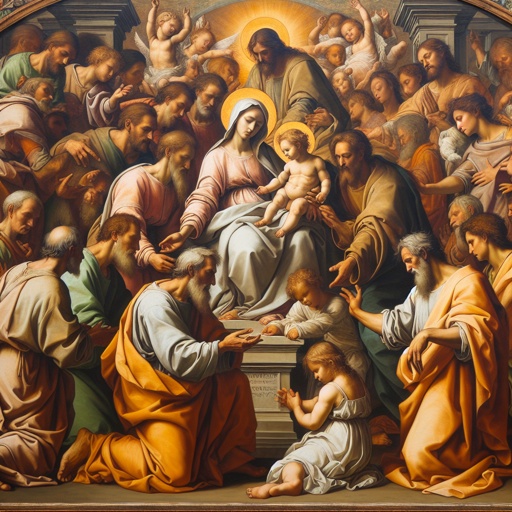
romans 12: 4-5

Romans 5:4 - "And patience, experience; and experience, hope:"

Romans 8:14 - "For as many as are led by the Spirit of God, they are the sons of God."

Romans 14:7 - "For none of us liveth to himself, and no man dieth to himself."

depict the theme of Romans 13:8-14

Romans 14:1 - "Him that is weak in the faith receive ye, but not to doubtful disputations."

Romans 12:14 - "Bless them which persecute you: bless, and curse not."

Romans 9:14 - "What shall we say then? Is there unrighteousness with God? God forbid."

Romans 14:18 - "For he that in these things serveth Christ is acceptable to God, and approved of men."

Romans 14:14 - "I know, and am persuaded by the Lord Jesus, that there is nothing unclean of itself: but to him that esteemeth any thing to be unclean, to him it is unclean."

Romans 14:12 - "So then every one of us shall give account of himself to God."

Romans 1:14 - "I am debtor both to the Greeks, and to the Barbarians; both to the wise, and to the unwise."