Standing Before Christ: The Weight of Our Judgments
"But why dost thou judge thy brother? or why dost thou set at nought thy brother? for we shall all stand before the judgment seat of Christ." - Romans 14:10
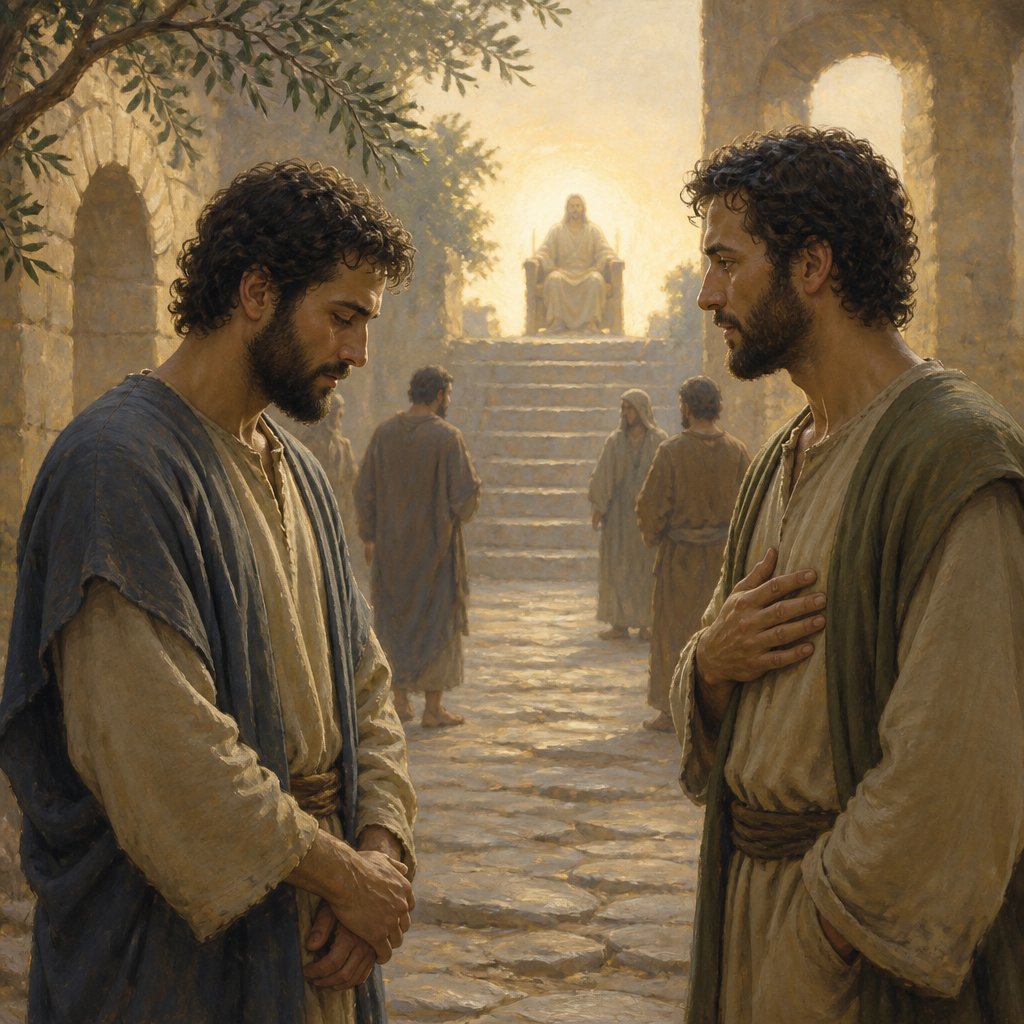
In Romans 14:10, we are confronted with a profound and sobering truth: "But why dost thou judge thy brother? or why dost thou set at nought thy brother? for we shall all stand before the judgment seat of Christ." This single verse encapsulates the core theme of Christian accountability and the profound implications of our relationships with one another.
As we delve into this verse, we need to understand the context in which the Apostle Paul writes. The early church was a melting pot of diverse backgrounds, beliefs, and practices. Jewish and Gentile believers often found themselves at odds regarding certain commandments, dietary laws, and cultural traditions. Paul addresses these tensions to encourage unity and love among believers, urging them to rise above judgment and focus on Christ-like behavior.
Judgment, in a biblical sense, often carries the weight of condemnation—a viewpoint that can be detrimental both to the individual passing judgment and to the one being judged. When Paul asks, "why dost thou judge thy brother?" he is calling believers to reflect seriously on their motives and actions. Judging others can arise from a place of insecurity, pride, or misunderstanding. In essence, it casts a shadow on the grace that God extends to all of us.
The question, "or why dost thou set at nought thy brother?", amplifies this call to introspection. To set at nought means to regard someone as nothing or to dismiss their worth. This poses a profound question regarding our perception of others—especially those within our community of faith. Are we elevating ourselves by belittling others? Are we creating divisions where God calls for unity? This message is particularly relevant in our modern context, where judgment can be rampant, driven by a combination of social media and self-righteousness.
Moreover, the phrase "for we shall all stand before the judgment seat of Christ" challenges us to consider the ultimate accountability we have to God. It serves as a powerful reminder that while we may hold opinions or judgments about our brothers and sisters, it is ultimately Christ who will judge us according to His righteousness. Every action, every word, and every judgment will be examined under the gaze of the Savior who knows our hearts and intentions far better than we know ourselves.
This brings us to the question of how we should live in light of this truth. First and foremost, we must seek humility. The recognition that we are all on a journey of faith allows us to approach one another with kindness and grace. Instead of elevating our voices in judgment, we should extend hands of support and encouragement, guiding each other toward the Truth—Christ Himself.
Moreover, our role as believers should be marked by love rather than condemnation. Jesus taught us in John 13:34-35 that our love for one another is the defining characteristic of His disciples. Instead of focusing on the weaknesses of our brothers and sisters—real or perceived—we should aim to reflect the unconditional love Christ extends to us daily. By doing so, we create an atmosphere where all can thrive and grow in faith without the fear of judgment or rejection.
Finally, let us remember that standing before the judgment seat of Christ is not simply a future event to dread; it is an opportunity for us to embrace accountability with a heart of humility. In our daily lives, may we act as agents of grace, walking alongside each other, encouraging growth, and fostering a spirit of unity. As we recognize that we all have shortcomings and that God’s grace is sufficient, let us choose to lift each other up rather than cast each other down.
In the light of God’s love, let us strive to become more like Jesus, who looked past the faults of others and saw the potential for redemption in every heart. May we constantly turn our judgments into prayers, our criticisms into encouragement, and our tendencies to set others at nought into a commitment to build up the body of Christ. For on that day at the judgment seat, may we hear, "Well done, thou good and faithful servant."
As you meditate on Romans 14:10, let its weight settle in your heart. Reflect on the ways you can not only avoid judging but actively support your brothers and sisters in their walk with Christ. Embrace the beauty of our shared journey toward holiness, knowing that we each will stand before our Savior with hope and gratitude.
Want to reflect more on Romans 14:10?
Continue your spiritual journey with Bible Chat — an AI-powered tool for exploring God's Word through conversation. Ask questions, discover connections, and deepen your understanding.
Get Our Apps


Romans 14:10 Artwork

Romans 14:10 - "But why dost thou judge thy brother? or why dost thou set at nought thy brother? for we shall all stand before the judgment seat of Christ."
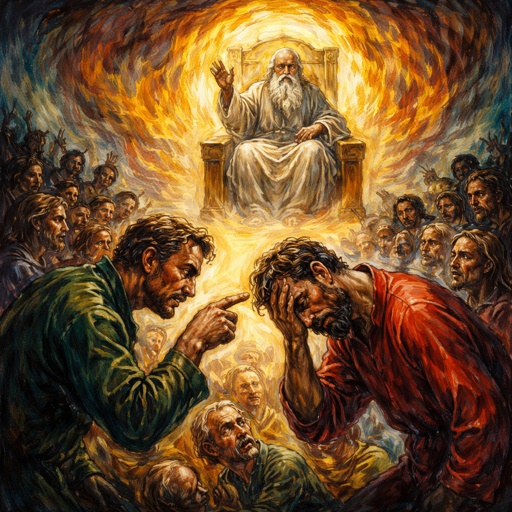
Why do you pass judgment on your brother? Or you, why do you despise your brother? For we shall all stand before the judgment seat of God; - Romans 14:10

Why then do you judge your brother? Or you, why do you look down on your brother? For we shall all stand before the judgment seat of God Romans 14:10
"But why dost thou judge thy brother? or why dost thou set at nought thy brother? for we shall all stand before the judgment seat of Christ." - Romans 14:10

Romans 10:14

Romans 10:14 - "How then shall they call on him in whom they have not believed? and how shall they believe in him of whom they have not heard? and how shall they hear without a preacher?"

Romans 10

Romans 10:17

Romans 10:17

Romans 10:17

Romans 14:12

Romans 8:14

Romans 10:17

Romans 10:17

Romans 10:17

Romans 10:17

Romans 10:17

Romans 10:9

Romans 10:9

Romans 10:13-15

Romans 10:10 - "For with the heart man believeth unto righteousness; and with the mouth confession is made unto salvation."

Romans 3:14 - "Whose mouth is full of cursing and bitterness:"

Romans 14:16 - "Let not then your good be evil spoken of:"

Romans 3:10 - "As it is written, There is none righteous, no, not one:"

Romans 8:14 - "For as many as are led by the Spirit of God, they are the sons of God."

Romans 14:7 - "For none of us liveth to himself, and no man dieth to himself."

depict the theme of Romans 13:8-14

Romans 14:1 - "Him that is weak in the faith receive ye, but not to doubtful disputations."

Romans 12:14 - "Bless them which persecute you: bless, and curse not."

Romans 9:14 - "What shall we say then? Is there unrighteousness with God? God forbid."