Submission to Sovereignty: Understanding God's Authority
"Let every soul be subject unto the higher powers. For there is no power but of God: the powers that be are ordained of God." - Romans 13:1

In Romans 13:1, the Apostle Paul writes, "Let every soul be subject unto the higher powers. For there is no power but of God: the powers that be are ordained of God." This verse calls for believers to recognize and understand the profound sovereignty of God over all authorities in the world. At first glance, the idea of submission to authority can be unsettling. In a world where injustices and abuses of power are rampant, how are we to reconcile our faith in God with the demands of governmental structures and societal hierarchies?
Paul’s instruction presents a clear yet challenging call to submission to authority. The context behind this scripture is essential. Paul was writing during a time when the Roman Empire ruled with a firm hand, often subjecting Christians to persecution. Yet, even amidst these grim realities, he emphasizes that all authority stems from God Himself. Thus, to rebel against governing powers is, in essence, to rebel against God's established order.
Understanding this dynamic requires us to delve deeper into the nature of God’s sovereignty. God is a God of order, and this encompasses the organization of human societies. The structure of authority is embedded in God’s design for creation. As we see multiple references in Scripture, God raises leaders and brings down nations according to His divine plan. In the Old Testament, we witness this when God appointed rulers over Israel, such as Moses, David, and Solomon, and even utilized foreign kings like Nebuchadnezzar to fulfill His purposes. The heart of kings is ultimately in His hand (Proverbs 21:1), affirming that He is never removed from the leadership structures of this world.
This brings us to the purpose of those in authority. God allows rulers and leaders to govern not just for the sake of administration, but as instruments of His will. The higher powers of this world may often execute justice or protect the vulnerable, reflecting God’s character. Therefore, when we yield to authority, we acknowledge God’s divine orchestration in the affairs of humanity. Yet how do we maintain this belief when faced with corrupt or tyrannical regimes?
It is crucial to remember that submission does not equal blind obedience. As Christians, our ultimate allegiance lies with God. When earthly authorities demand actions that directly contradict God’s commands, we have a higher obligation. We see this illustrated in Acts 5:29 when Peter and John state boldly, "We ought to obey God rather than men." This example teaches us that submission to authority includes discerning the nature of commands we receive and placing God's will above all.
Moreover, Paul's words remind us of an essential aspect of our Christian walk: humility. Practicing submission to higher powers fosters an attitude of humility and respect. It breaks the prideful inclination to resist or undermine those in authority simply because we disagree with them. Practicing this humility is critical for our witness to others about the Gospel of Jesus Christ.
As believers, it is also vital to engage in prayer for those in positions of power. 1 Timothy 2:1-2 urges us to pray for kings and all who are in authority. By lifting them up in prayer, we fulfill our responsibility as citizens of heaven and promote righteousness over rebellion. We pray that leaders will seek Godly wisdom as they govern, thus aligning their decisions with God’s will.
Lastly, we are called to act as agents of change and hope within our communities. While we may submit to authority, we can also challenge systems of injustice through love, service, and advocacy. As representatives of God’s kingdom, we are called to be a voice for the voiceless and shine light in the darkness.
Romans 13:1 serves as a powerful reminder of the delicate balance between submission and standing firm in our faith. As we reflect on this verse, let us ask God for wisdom, humility, and strength to navigate the challenges of living under authority while firmly rooted in obedience to Him.
Want to reflect more on Romans 13:1?
Continue your spiritual journey with Bible Chat — an AI-powered tool for exploring God's Word through conversation. Ask questions, discover connections, and deepen your understanding.
Get Our Apps


Romans 13:1 Artwork

Romans 13:1 - "Let every soul be subject unto the higher powers. For there is no power but of God: the powers that be are ordained of God."

Combine the authority theme described in Romans 13:1-7 and Revelation 13:1-10.

Show the Divine Order seen in Romans 131:7 with the Beastly Rule seen in Revelation 13:1-10.
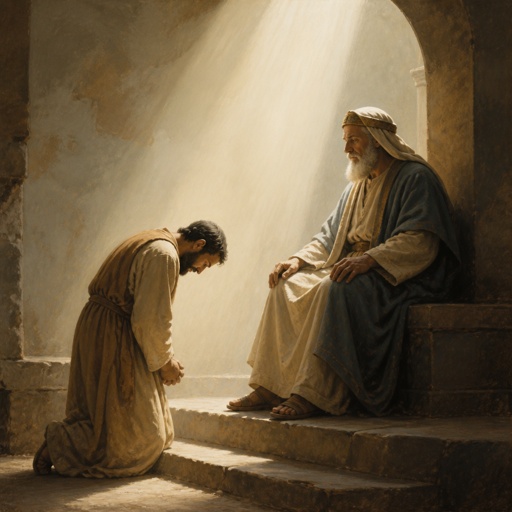
"Let every soul be subject unto the higher powers. For there is no power but of God: the powers that be are ordained of God." - Romans 13:1

Show the Divine Order seen in Romans 131:7 with the Beastly Rule seen in Revelation 13:1-10.

Show the Divine Order of government authority seen in Romans 131:7 contrasted with the Beastly Rule faced in Revelation 13:1-10.

Show the Divine Order seen in Romans 131:7 with the Beastly Rule seen in Revelation 13:1-10.

Romans 13:8

Romans 13:8

Romans 10:13-15

Show the Divine Order seen in Romans 131:7 with the Beastly Rule seen in Revelation 13:1-10.

Romans 13:13 - "Let us walk honestly, as in the day; not in rioting and drunkenness, not in chambering and wantonness, not in strife and envying."

Romans 12:13 - "Distributing to the necessity of saints; given to hospitality."

Romans 16:13 - "Salute Rufus chosen in the Lord, and his mother and mine."

depict the theme of Romans 13:8-14

Romans 10:13 - "For whosoever shall call upon the name of the Lord shall be saved."

Romans 5:13 - "(For until the law sin was in the world: but sin is not imputed when there is no law."

Romans 1:13 - "Now I would not have you ignorant, brethren, that oftentimes I purposed to come unto you, (but was let hitherto,) that I might have some fruit among you also, even as among other Gentiles."

Romans 13:10 - "Love worketh no ill to his neighbour: therefore love is the fulfilling of the law."

Romans 2:13 - "(For not the hearers of the law are just before God, but the doers of the law shall be justified."

Romans 9:13 - "As it is written, Jacob have I loved, but Esau have I hated."

Romans 13:5 - "Wherefore ye must needs be subject, not only for wrath, but also for conscience sake."

Romans 3:13 - "Their throat is an open sepulchre; with their tongues they have used deceit; the poison of asps is under their lips:"

Romans 13:14 - "But put ye on the Lord Jesus Christ, and make not provision for the flesh, to fulfil the lusts thereof."

Romans 1

"Distributing to the necessity of saints; given to hospitality." - Romans 12:13

"Distributing to the necessity of saints; given to hospitality." - Romans 12:13

Romans 8:1

Romans 13:6 - "For for this cause pay ye tribute also: for they are God's ministers, attending continually upon this very thing."

Romans 5:1