The Gift of Grace: A Deeper Understanding of Romans 11:6
"And if by grace, then is it no more of works: otherwise grace is no more grace. But if it be of works, then is it no more grace: otherwise work is no more work." - Romans 11:6
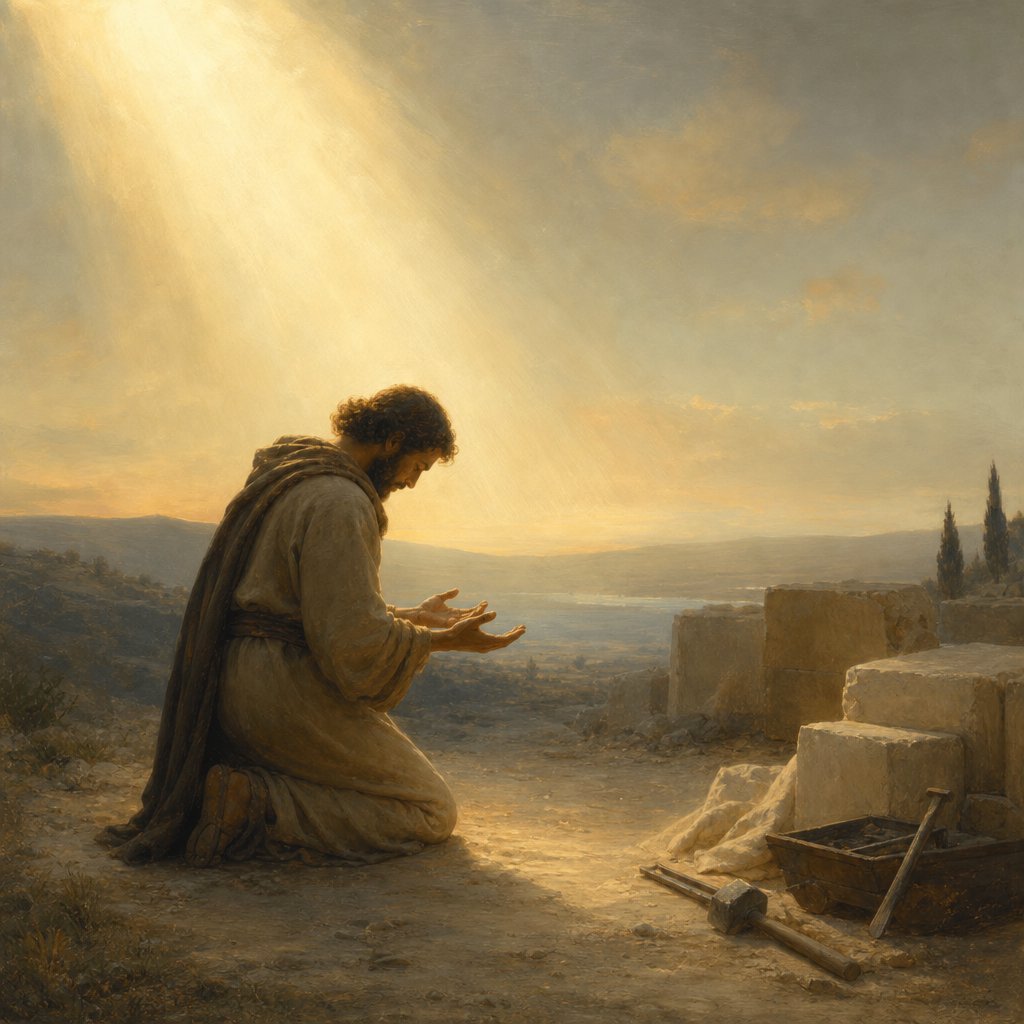
As we delve into the profound biblical message of Romans 11:6, we are invited into a transformative understanding of grace and works. The verse states, "And if by grace, then is it no more of works: otherwise grace is no more grace. But if it be of works, then is it no more grace: otherwise work is no more work." This powerful statement draws a clear line in the sand, delineating the divine gift of grace from human effort and merit.
To appreciate the significance of this verse, it is essential to understand the context of Paul's writing to the Romans. The Apostle Paul is addressing a community grappling with questions about faith, the role of the law, and the significance of grace. In this epistle, Paul underscores a radical truth: salvation is a gift from God, not something we can earn through our deeds. It is a liberating message that shifts the focus from self-reliance to total dependency on God’s grace.
When we consider the phrase, "if by grace, then is it no more of works," we recognize the essence of what grace truly is. Grace stands as a divine unmerited favor, a sovereign act of God that extends to us what we could never achieve through our own efforts. Grace is not a reward for our endeavors but a free gift that arises from the love of God, who desires that all should come to Him. There is a liberating power in understanding that our relationship with God does not hinge on our ability to tick boxes or fulfill a set of religious duties but on accepting the grace that has already been given.
Imagine a child receiving a gift from a loving parent. The gift is freely given, with no strings attached. The child simply has to accept it with an open heart. Similarly, we are called to embrace God’s grace, not as a result of our hard work or righteousness but as a direct outcome of His unending love and mercy.
On the other side of this dichotomy lies the warning—"But if it be of works, then is it no more grace: otherwise work is no more work." Here, Paul cautions us against the trap of legalism. When we start to believe that we can earn favor with God through our deeds, we fundamentally misunderstand the nature of grace. This point cannot be overstated: if grace could be earned, it would cease to be grace. We must remember that our works, however good they may be, do not contribute to our standing before God; they are an outflow of the grace we have already received.
This revelation is not merely theological; it carries profound practical implications for our daily lives. We live in a culture that constantly measures value through performance. We may feel that our worth is determined by our achievements, productivity, or adherence to societal norms. However, the gospel upends this notion. It invites us to rest in the assurance that we are accepted and loved as we are, not as we do. This acceptance by God liberates us from fear and competition; it encourages us to respond to His grace with gratitude and love, propelling us to act not from a place of obligation but from a heartfelt response to His goodness.
In our spiritual walk, let us not confuse the roles of grace and works. Rather, as we accept His grace, may we allow His love to translate into good works, not as a means to earn our place in His favor but as a natural expression of our love for Him. When we grasp the magnitude of God’s grace, our response to His gracious act will inherently lead to a life that reflects His character—one of love, compassion, and service.
As we meditate on Romans 11:6 today, let us seek to cultivate a deeper appreciation for the gift of grace, letting it transform our hearts and motivate our actions. In embracing grace, we find freedom, purpose, and a love that compels us to work—not for our salvation, but as a joyful response to the one who has saved us.
Want to reflect more on Romans 11:6?
Continue your spiritual journey with Bible Chat — an AI-powered tool for exploring God's Word through conversation. Ask questions, discover connections, and deepen your understanding.
Get Our Apps


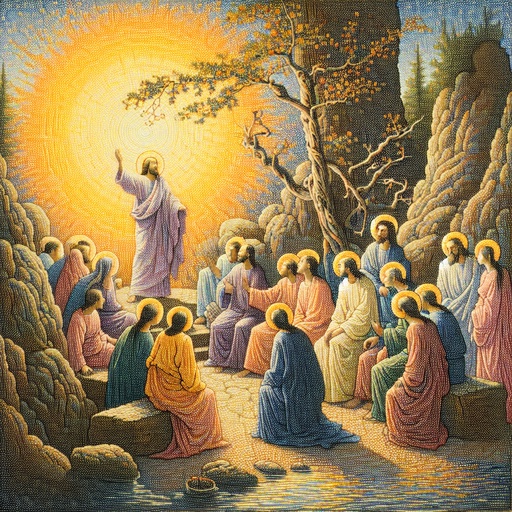
Romans 11:6 Artwork

Romans 11:6 - "And if by grace, then is it no more of works: otherwise grace is no more grace. But if it be of works, then is it no more grace: otherwise work is no more work."
Romans 11:6 And if by grace, then it is no longer of works; otherwise grace is no longer grace. But if it is of works, it is no longer grace; otherwise work is no longer work.

Romans 11:6 And if by grace, then it is no longer of works; otherwise grace is no longer grace. But if it is of works, it is no longer grace; otherwise work is no longer work.

"And if by grace, then is it no more of works: otherwise grace is no more grace. But if it be of works, then is it no more grace: otherwise work is no more work." - Romans 11:6
"And if by grace, then is it no more of works: otherwise grace is no more grace. But if it be of works, then is it no more grace: otherwise work is no more work." - Romans 11:6
Romans 6:11 - "Likewise reckon ye also yourselves to be dead indeed unto sin, but alive unto God through Jesus Christ our Lord."

Romans 11:11

Romans 11:18
Romans 11:18

Romans 11:18

Romans 11:18

Romans 11:18

Romans 11:18

Romans 11:18

Romans 8:11

Romans 6:23

Romans 8:6

Romans 6:23

Romans 5: 1-11

Romans 11:25-32

Romans 2:11 - "For there is no respect of persons with God."

Romans 5: 1-11

Romans 11:29 - "For the gifts and calling of God are without repentance."

Romans 6:7 - "For he that is dead is freed from sin."

Romans 3:11 - "There is none that understandeth, there is none that seeketh after God."

Romans 12:11 - "Not slothful in business; fervent in spirit; serving the Lord;"

Romans 10:11 - "For the scripture saith, Whosoever believeth on him shall not be ashamed."

"For there is no respect of persons with God." - Romans 2:11

Romans 2:6 - "Who will render to every man according to his deeds:"

"Likewise reckon ye also yourselves to be dead indeed unto sin, but alive unto God through Jesus Christ our Lord." - Romans 6:11