The Fulfillment of the Law: Embracing Righteousness Through Christ
"For Christ is the end of the law for righteousness to every one that believeth." - Romans 10:4
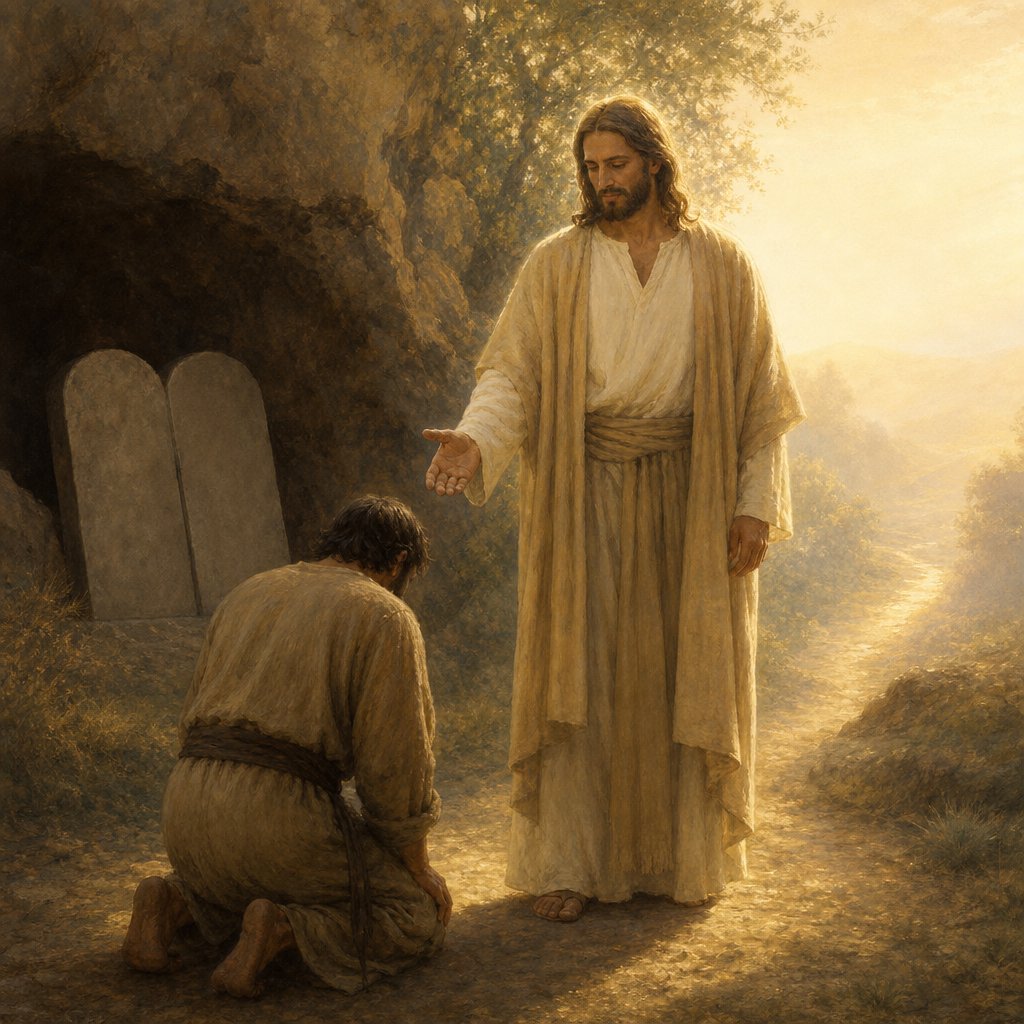
In Romans 10:4, the Apostle Paul succinctly encapsulates a profound theological truth that has implications for our faith journey: "For Christ is the end of the law for righteousness to every one that believeth." This verse serves as a pivotal transition point in understanding the relationship between the Old Testament law and the New Testament grace offered through Jesus Christ.
To delve deeper into this passage, it is important to understand the context in which Paul wrote. The Romans were grappling with the intersection of Judaism and the emerging Christian faith. For many Jewish believers, the Law was a source of identity, structure, and a means to attain righteousness before God. However, Paul asserts a revolutionary truth—Christ does not just fulfill the Law’s requirements; He is the very culmination of everything the Law pointed towards.
The term "the end of the law" can be understood in multiple dimensions. Firstly, it signifies completion. The Law was never meant to be an end in itself but a means to lead us to Christ. The sacrificial system, moral codes, and rituals all served as shadows of the ultimate sacrifice that Jesus would provide. When Christ died on the cross, He said, "It is finished" (John 19:30). In doing so, He fulfilled the Law and its requirements, thereby ushering us into a new covenant established by His blood.
Secondly, "the end of the law" also reveals the transformative power of faith. Paul emphasizes that righteousness is now accessible through belief in Christ rather than adherence to the Law. This radical shift from law to grace was revolutionary for the first-century Christians and continues to be a cornerstone of our faith today. Righteousness is not a checklist of do's and don’ts; it is an active faith that believes in the sufficiency of Christ's atoning work.
Imagine a tightrope walker performing without a safety net. The observer may feel anxious, wondering what would happen if the performer slips. Similarly, those who rely on the law for righteousness are constantly unsure, carrying the weight of trying to maintain perfection in their spiritual walk. However, when we place our faith in Christ, we are not only using a safety net; we are stepping onto solid ground, standing firm in the assurance that Jesus has completed the work of our salvation.
What does this mean for us as believers today? In a world that frequently equates righteousness with good works or moral achievements, we are reminded that our standing before God is not based on our performance but solely on our faith in Christ. We do not earn our place in God's kingdom; it is given freely to all who believe. This doctrine of grace liberates us from the shackles of legalism and allows us to pursue holiness, not out of obligation but out of gratitude and love.
To some, this may seem like a license to sin, but that could not be further from the truth. The heart that has truly experienced the grace of God is transformed and desires to live in a way that honors Him. As Paul writes in Romans 6:1, "What shall we say then? Shall we continue in sin, that grace may abound? God forbid!" A heart committed to Christ naturally seeks to walk in His ways, not because of the law but because of a deep love for the Savior.
As we meditate on Romans 10:4, let us rejoice in the freedom that comes from knowing that Christ is our righteousness. Let us also strive to introduce this liberating truth to others, expressing that anyone—regardless of their past or perceived failures—can step into the light of Christ's grace and be made whole. May we lean into this truth, embracing our identity in Him, and letting the love and peace of Christ permeate every aspect of our lives.
Want to reflect more on Romans 10:4?
Continue your spiritual journey with Bible Chat — an AI-powered tool for exploring God's Word through conversation. Ask questions, discover connections, and deepen your understanding.
Get Our Apps


Romans 10:4 Artwork

Romans 10:4 - "For Christ is the end of the law for righteousness to every one that believeth."

Romans 10:4 For Christ is the end of the law for righteousness to everyone who believes.
"For Christ is the end of the law for righteousness to every one that believeth." - Romans 10:4

Romans 4:10 - "How was it then reckoned? when he was in circumcision, or in uncircumcision? Not in circumcision, but in uncircumcision."

"How was it then reckoned? when he was in circumcision, or in uncircumcision? Not in circumcision, but in uncircumcision." - Romans 4:10

Romans 10

Romans 10:17

Romans 10:17

Romans 10:17

Romans 10:17

Romans 10:17

Romans 10:17

Romans 10:17

Romans 10:14

Romans 10:17

Romans 10:9

Romans 10:9

Romans 10:13-15

Romans 10:10 - "For with the heart man believeth unto righteousness; and with the mouth confession is made unto salvation."

Romans 4:3

Romans 2:4

Romans 4:4 - "Now to him that worketh is the reward not reckoned of grace, but of debt."

Romans 3:10 - "As it is written, There is none righteous, no, not one:"
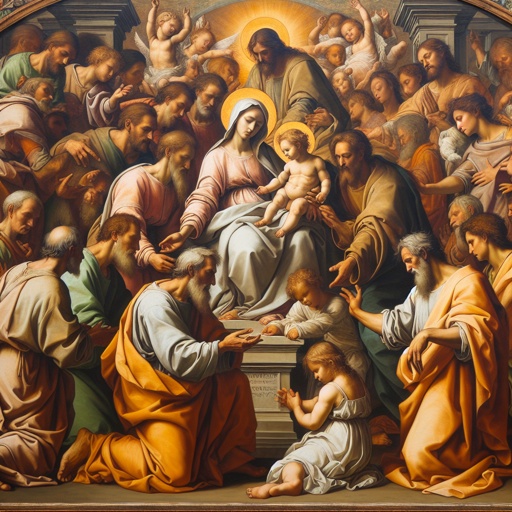
romans 12: 4-5

Romans 5:4 - "And patience, experience; and experience, hope:"

Romans 4:22 - "And therefore it was imputed to him for righteousness."

Romans 10:11 - "For the scripture saith, Whosoever believeth on him shall not be ashamed."

Romans 10:17 - "So then faith cometh by hearing, and hearing by the word of God."

Romans 7:10 - "And the commandment, which was ordained to life, I found to be unto death."

Romans 10:13 - "For whosoever shall call upon the name of the Lord shall be saved."