The Echo of Faith: Preaching the Word
"How then shall they call on him in whom they have not believed? and how shall they believe in him of whom they have not heard? and how shall they hear without a preacher?" - Romans 10:14
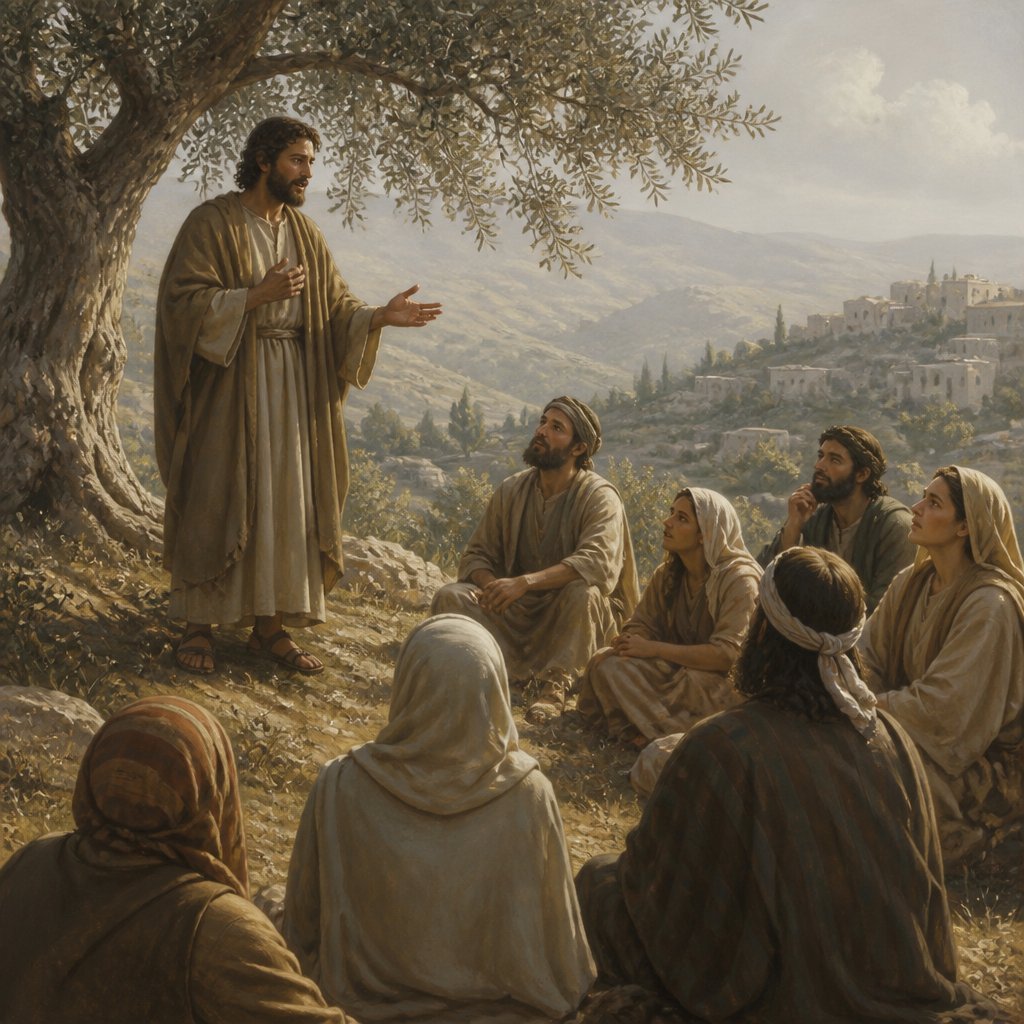
In the bustling corridors of modern life, where chaos often drowns out the whispers of faith, Romans 10:14 surfaces as a powerful reminder of our sacred duty: **“How then shall they call on him in whom they have not believed? and how shall they believe in him of whom they have not heard? and how shall they hear without a preacher?”** This verse invites us to reflect deeply on the interconnectedness of belief, hearing, and preaching—the pillars that are essential for the foundation of faith.
To delve into this verse, it is critical to recognize its context in Romans 10, where Apostle Paul passionately communicates the gospel's universality and the necessity of proclaiming it to all nations. Paul’s rhetorical questions are not mere inquiries but profound assertions that beckon us to reflect on how faith is cultivated and communicated. The first question brings to light the essence of belief. Faith is an inward conviction based on an external revelation. In order to call upon the name of the Lord, one must first believe in His existence, nature, and redemptive power. This belief cannot dwell in isolation; it must be nurtured through the hearing of God’s Word.
The next layer of this verse challenges us to consider, **“How shall they believe in him of whom they have not heard?”** This articulation emphasizes the importance of hearing—the act of listening to the truth of the Gospel. But what does it mean to truly 'hear'? Hearing is more than just sound waves entering our ears; it encompasses understanding, absorbing, and responding to the life-giving messages of Scripture. In our contemporary world, so flooded with information and distractions, the genuine act of hearing the Gospel is often relegated to the background. God’s voice can be muffled by the noise of life, and thus, the urgency of proclaiming His Word becomes paramount.
This leads us to the grave responsibility encapsulated in the final question, **“How shall they hear without a preacher?”** The role of the preacher—someone who communicates God’s message—becomes crucial in this divine arrangement. Throughout biblical history, God has utilized preachers and prophets to convey His message to the masses. Today, while we may not all be traditional preachers, we are all called to share the hope we find in Christ. Each one of us, as bearers of the Gospel, is tasked with the mission of testifying to the transformative power of Jesus. Whether through our words, actions, or even the demeanor we exhibit in our daily lives, we are, in essence, proclaimers of hope and truth.
Reflecting on this scripture leads us to the daunting reality that many live and die without ever hearing about Jesus Christ—the good news that brings salvation. As we ponder the weight of this truth, it should ignite a passion within us to engage with our communities, workplaces, and families about the love of Christ. This is not merely the responsibility of ordained ministers but of every believer. Consider the opportunities for sharing your faith; a conversation over coffee, discussions in the workplace, or acts of kindness that open the door for deeper dialogues about faith.
Moreover, we must also recognize the vital need for prayer in this process. Preaching cannot be effective unless it is saturated in prayer. The work of evangelism is not one that we can accomplish in our own strength. Rather, it requires the empowering of the Holy Spirit to soften hearts and illuminate minds. Thus, as we commit to being vessels of His message, we must simultaneously be on our knees, asking God to prepare the hearts of those we reach out to.
In conclusion, let this verse resonate within us, compelling us to consider: Are we adequately sharing the Gospel? Are we listening to those around us who are searching for hope? Are we praying fervently for souls to come to know Christ? May we embrace the call to action, believing and proclaiming, so that many will come to know and call upon the name of the Lord. In faithfully answering this call, we participate in the beautiful orchestration of faith that brings salvation to others. Let every interaction echo with the love of Christ as we step into the role of a preacher in our own unique capacities.
Want to reflect more on Romans 10:14?
Continue your spiritual journey with Bible Chat — an AI-powered tool for exploring God's Word through conversation. Ask questions, discover connections, and deepen your understanding.
Get Our Apps


Romans 10:14 Artwork

Romans 10:14

Romans 10:14 - "How then shall they call on him in whom they have not believed? and how shall they believe in him of whom they have not heard? and how shall they hear without a preacher?"
"How then shall they call on him in whom they have not believed? and how shall they believe in him of whom they have not heard? and how shall they hear without a preacher?" - Romans 10:14

Romans 14:10 - "But why dost thou judge thy brother? or why dost thou set at nought thy brother? for we shall all stand before the judgment seat of Christ."

Romans 10

Romans 10:17

Romans 10:17

Romans 10:17

Romans 14:12

Romans 8:14

Romans 10:17

Romans 10:17

Romans 10:17

Romans 10:17
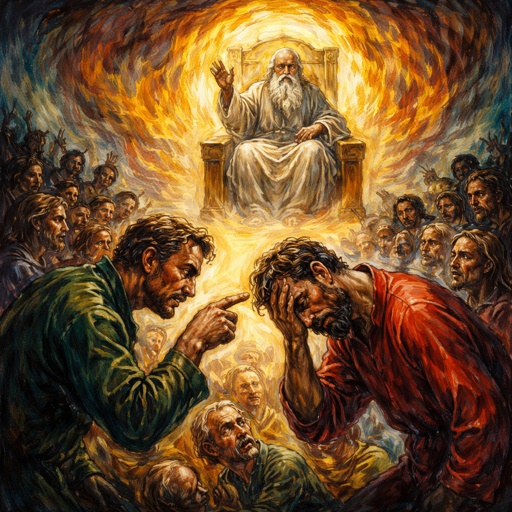
Why do you pass judgment on your brother? Or you, why do you despise your brother? For we shall all stand before the judgment seat of God; - Romans 14:10

Romans 10:17

Romans 10:9

Romans 10:9
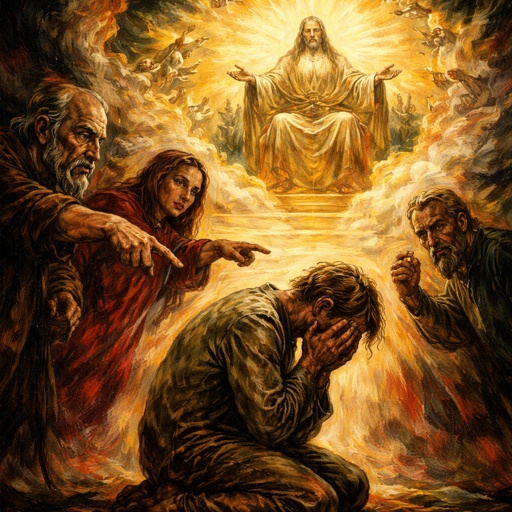
Why then do you judge your brother? Or you, why do you look down on your brother? For we shall all stand before the judgment seat of God Romans 14:10

Romans 10:13-15

Romans 10:10 - "For with the heart man believeth unto righteousness; and with the mouth confession is made unto salvation."

Romans 14:16 - "Let not then your good be evil spoken of:"

Romans 3:14 - "Whose mouth is full of cursing and bitterness:"

Romans 3:10 - "As it is written, There is none righteous, no, not one:"

Romans 8:14 - "For as many as are led by the Spirit of God, they are the sons of God."

Romans 14:7 - "For none of us liveth to himself, and no man dieth to himself."

depict the theme of Romans 13:8-14

Romans 14:1 - "Him that is weak in the faith receive ye, but not to doubtful disputations."

Romans 12:14 - "Bless them which persecute you: bless, and curse not."

Romans 9:14 - "What shall we say then? Is there unrighteousness with God? God forbid."