The Divine Perspective: Embracing Our Humanity Before God
"Put them in fear, O LORD: that the nations may know themselves to be but men. Selah." - Psalms 9:20
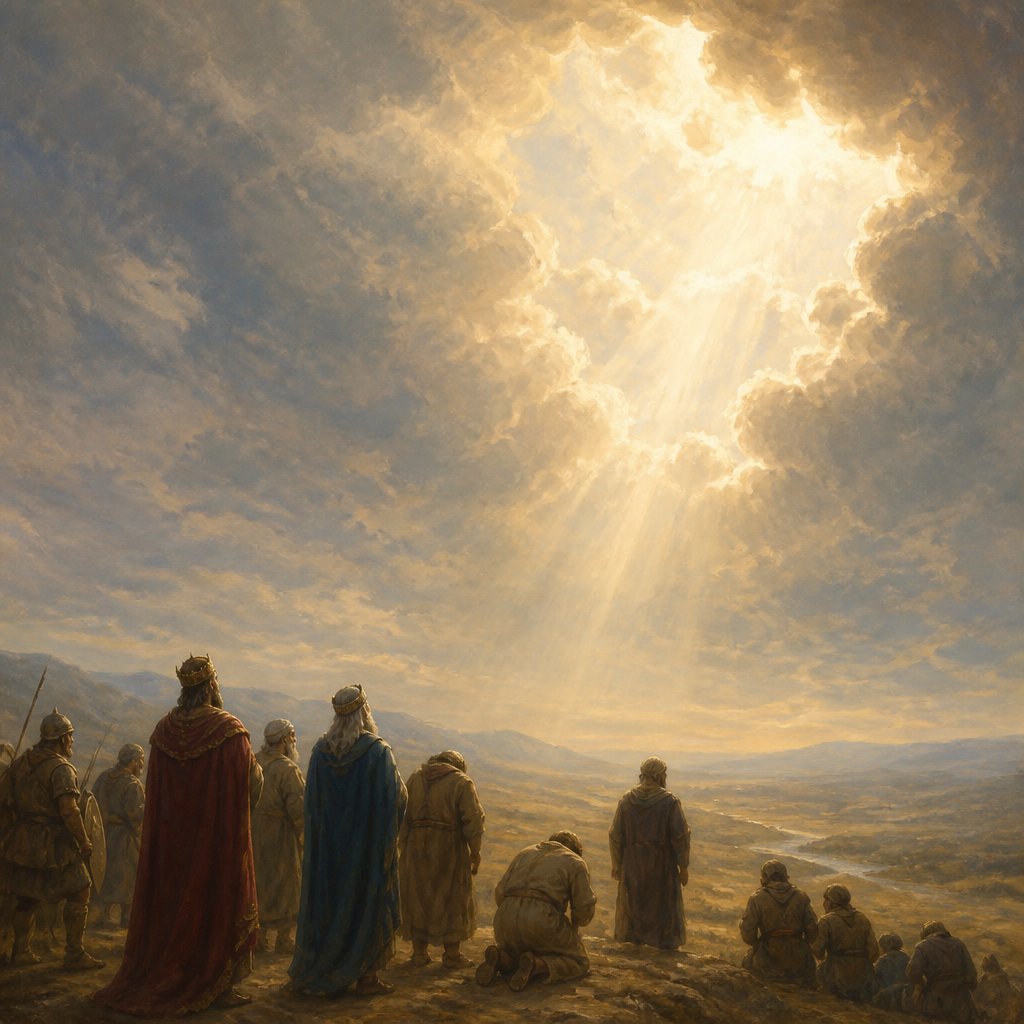
In a world that often glorifies power, success, and human achievement, it is vital to recognize our place in the grand narrative of creation. The verse from Psalm 9:20, "Put them in fear, O LORD: that the nations may know themselves to be but men. Selah," serves as a poignant reminder of our frailty and dependence on God. This verse invites us to consider the implications of our humanity in the context of divine sovereignty and the fear of the Lord.
The phrase "Put them in fear" does not necessarily reflect a desire for God to instill terror in the hearts of nations, but rather an awakening to reality and reverence. It speaks to the profound understanding that we are but fallible beings before an omnipotent God. Fear, in this context, acts as a catalyst for humility, leading us away from the arrogance that often accompanies power and pride.
Each day, we inhabit a world bustling with bravado—corporate leaders, politicians, and influencers often exude a sense of unshakeable confidence. Yet, the underlying truth remains that they, too, are mortal. The psalmist acknowledges this universality of human experience: all nations, regardless of their might or status, are ultimately limited in their understanding and ability. In his request to God, the psalmist recognizes that a deep sense of fear or reverence for the Lord is necessary for true wisdom. As Proverbs 9:10 reminds us, "The fear of the Lord is the beginning of wisdom."
When God places nations in fear of Him, it invites a moment of introspection for individuals and societies alike. It is a summons to reflect on our actions, motivations, and the overarching narrative of our lives. This humility nurtures a recognition of our vulnerabilities. If we walk through life unaware of our limitations, we become susceptible to hubris, thinking ourselves self-sufficient. Yet, through the lens of God's sovereignty, we acknowledge that we are dependent on Him for our existence and sustenance.
Further, the psalmist draws on the importance of self-awareness. The latter part of the verse, "that the nations may know themselves to be but men," emphasizes the need for nations—and by extension, individuals—to recognize their true identities. In a society that often measures worth by power and control, we must challenge ourselves to view significance through God's eyes. We are not rulers of the universe; we are created beings, shaped from dust with an innate need for grace, redemption, and guidance.
The term "Selah" at the end of the verse invites us to pause and reflect thoughtfully on this profound truth. It’s a moment to meditate on our human condition, inviting us to shift from a posture of entitlement to one of humility. We are called to acknowledge not only our limitations but the grandeur of God.
Consider how this awareness impacts our prayer life and relationship with God. Do we approach Him in our prayers with reverence, or do we rush through, treating Him as just another voice in our lives? When we understand our position before Him, we find freedom in vulnerability, a powerful realization that we do not have to bear the weight of our lives on our own shoulders. Instead, we can cast our cares on Him (1 Peter 5:7) and accept His invitation to walk alongside Him as the sovereign guiding force of our existence.
Ultimately, Psalm 9:20 is an urgent call to realign our perspectives. It beckons us to embrace our humanity in the light of God’s infinite greatness and to recognize that, yes, we are but men—but we are men and women cherished by our Creator, called to walk in faith, empowered by His grace. May we always remember our place before Him and cultivate a spirit of humility and dependence that leads us closer to His heart.
Want to reflect more on Psalms 9:20?
Continue your spiritual journey with Bible Chat — an AI-powered tool for exploring God's Word through conversation. Ask questions, discover connections, and deepen your understanding.
Get Our Apps


Psalms 9:20 Artwork
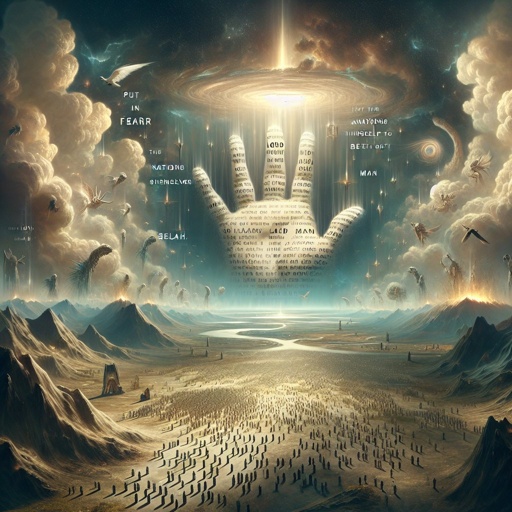
Psalms 9:20 - "Put them in fear, O LORD: that the nations may know themselves to be but men. Selah."
"Put them in fear, O LORD: that the nations may know themselves to be but men. Selah." - Psalms 9:20
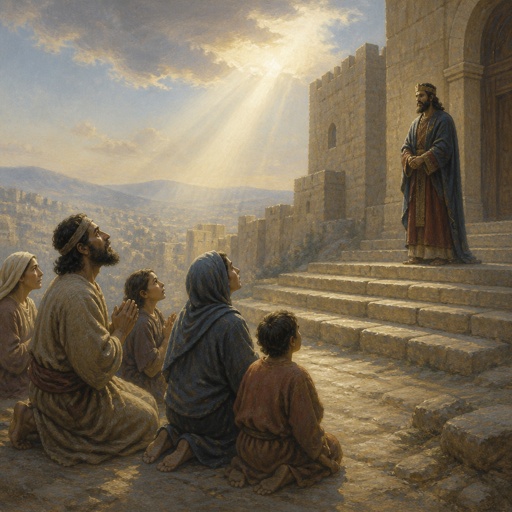
"Save, LORD: let the king hear us when we call." - Psalms 20:9

Psalms 20:9 - "Save, LORD: let the king hear us when we call."
Psalms 20 7

Psalms 107:9

"The LORD also will be a refuge for the oppressed, a refuge in times of trouble." - Psalms 9:9

"Man that is in honour, and understandeth not, is like the beasts that perish." - Psalms 49:20

"Thus they changed their glory into the similitude of an ox that eateth grass." - Psalms 106:20

"And Og the king of Bashan: for his mercy endureth for ever:" - Psalms 136:20

"They are brought down and fallen: but we are risen, and stand upright." - Psalms 20:8

Psalms 59:9 - "Because of his strength will I wait upon thee: for God is my defence."

"Mountains, and all hills; fruitful trees, and all cedars:" - Psalms 148:9

"He keepeth all his bones: not one of them is broken." - Psalms 34:20

Psalms 9:5 - "Thou hast rebuked the heathen, thou hast destroyed the wicked, thou hast put out their name for ever and ever."

Psalms 9:14 - "That I may shew forth all thy praise in the gates of the daughter of Zion: I will rejoice in thy salvation."

Psalms 107:9
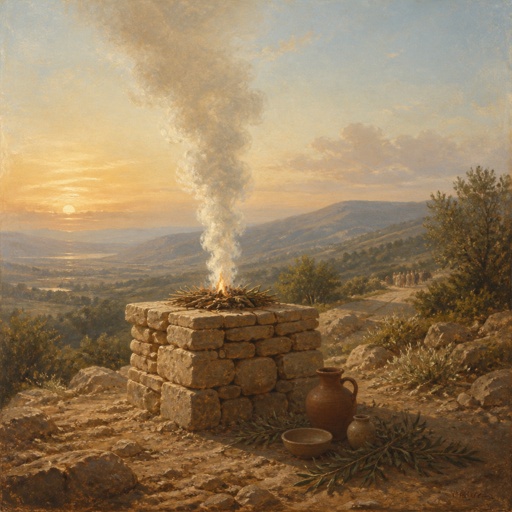
"Remember all thy offerings, and accept thy burnt sacrifice; Selah." - Psalms 20:3

Psalms 9:9 - "The LORD also will be a refuge for the oppressed, a refuge in times of trouble."

Psalms 72:20 - "The prayers of David the son of Jesse are ended."

Psalms 107:9
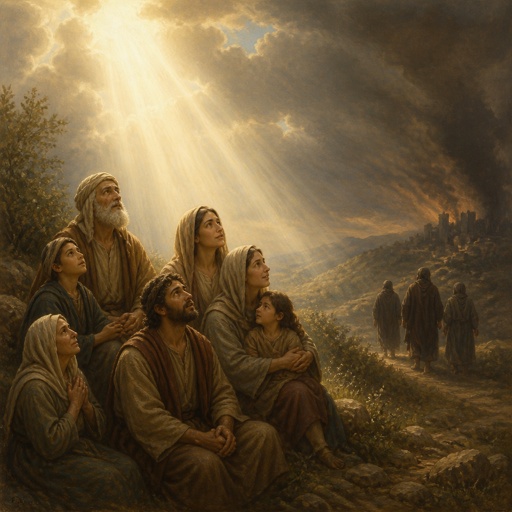
"The LORD preserveth all them that love him: but all the wicked will he destroy." - Psalms 145:20
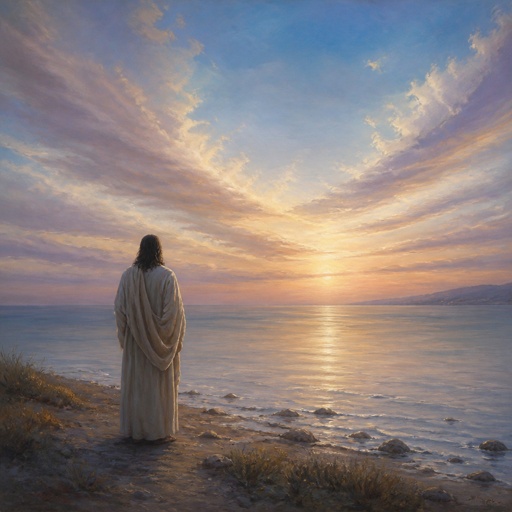
"If I take the wings of the morning, and dwell in the uttermost parts of the sea;" - Psalms 139:9

Psalms 118:20 - "This gate of the LORD, into which the righteous shall enter."

Psalms 49:20 - "Man that is in honour, and understandeth not, is like the beasts that perish."
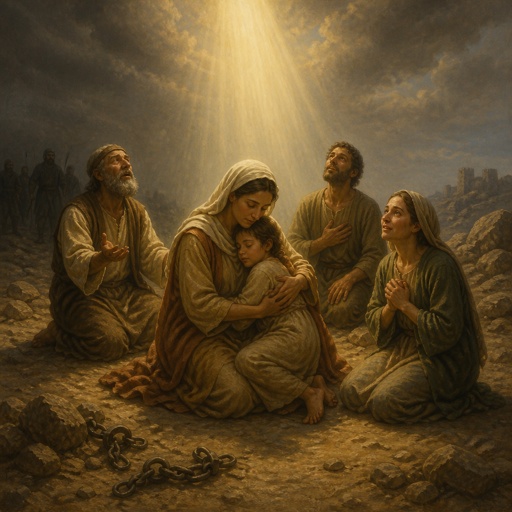
"He sent his word, and healed them, and delivered them from their destructions." - Psalms 107:20
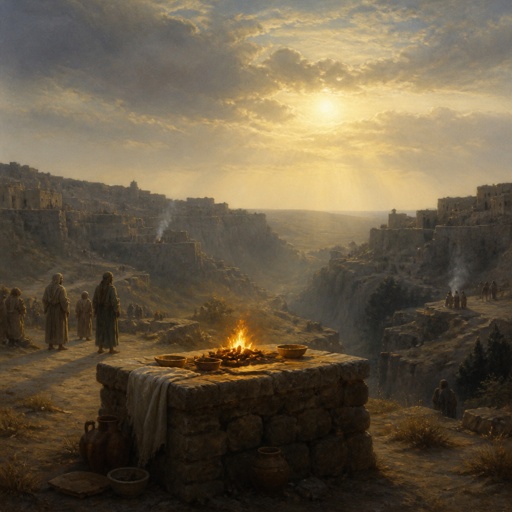
"Have respect unto the covenant: for the dark places of the earth are full of the habitations of cruelty." - Psalms 74:20

"They set their mouth against the heavens, and their tongue walketh through the earth." - Psalms 73:9
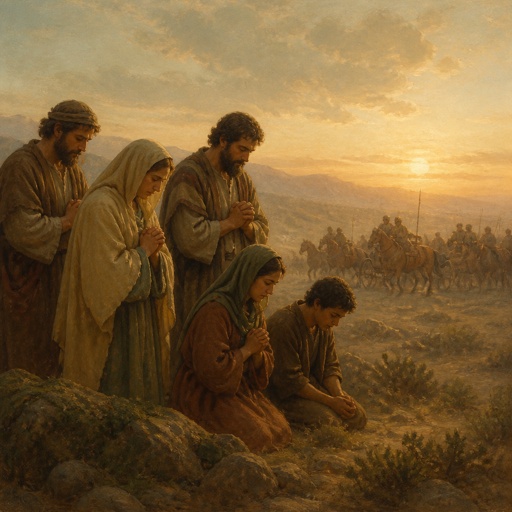
"Some trust in chariots, and some in horses: but we will remember the name of the LORD our God." - Psalms 20:7

Psalms 106:20 - "Thus they changed their glory into the similitude of an ox that eateth grass."