The Garment of Sorrow: A Reflection on Psalm 69:11
"I made sackcloth also my garment; and I became a proverb to them." - Psalms 69:11
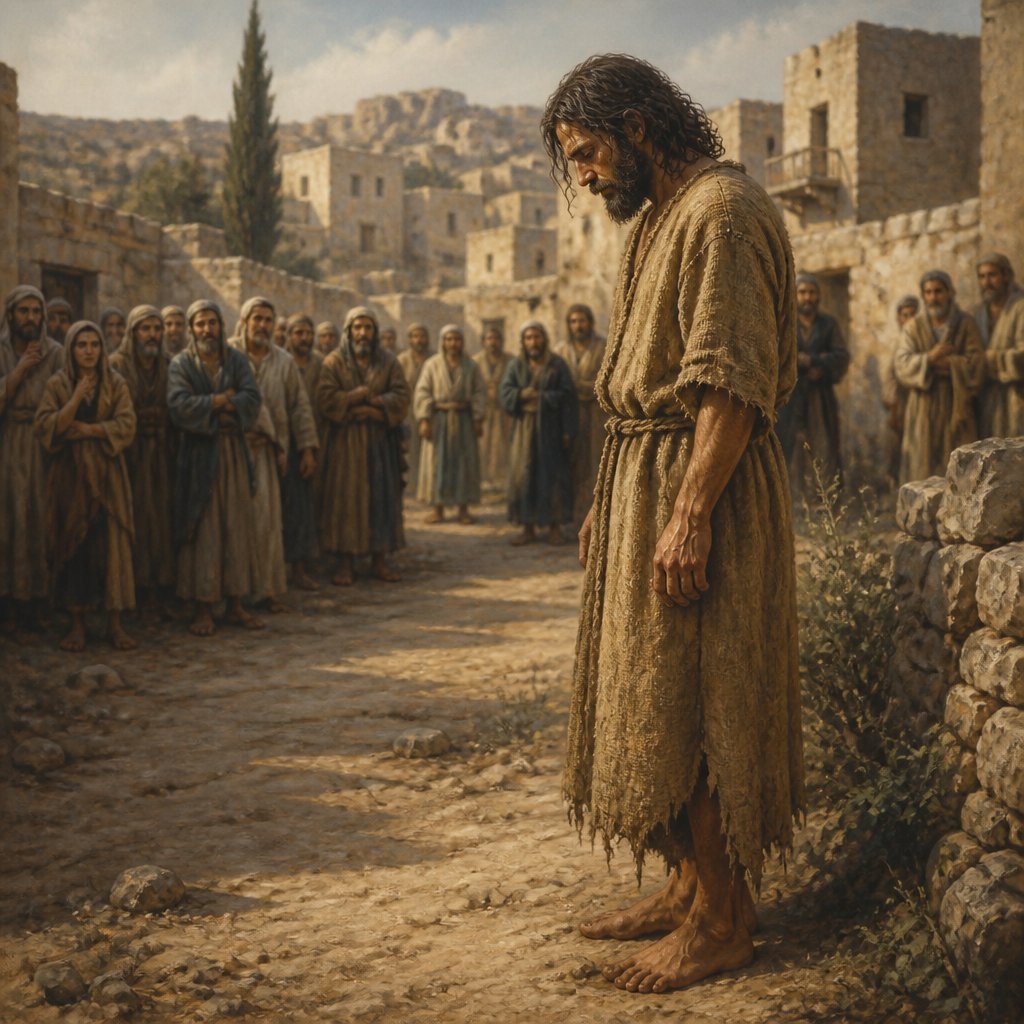
In Psalm 69:11, the psalmist reflects upon the depths of his despair: "I made sackcloth also my garment; and I became a proverb to them" (KJV). These words evoke a powerful image of sorrow, humility, and social derision. A deeper exploration of this verse reveals profound spiritual truths about suffering and divine connection.
Sackcloth, traditionally made from coarse fabric, symbolizes mourning and penitence. It is the garb of the broken-hearted, a dress befitting those in distress. When the psalmist proclaims, "I made sackcloth also my garment," he is not simply expressing grief over a situation, but he is also indicating a choice. The act of putting on sackcloth is a deliberate act of lament, a tangible expression of internal pain and the consciousness of sin. This choice to wear sackcloth signifies a heart that recognizes its condition.
In our own lives, we often find ourselves in periods of turmoil, whether through personal loss, failure, or spiritual dryness. It is easy to keep our pain hidden beneath layers of societal expectations. However, this verse encourages us not to shy away from our grief. Like the psalmist, we are reminded that being honest about our struggles is a part of our journey of faith.
The next part of the verse, "and I became a proverb to them," adds another layer of meaning. A proverb, in ancient times, was a shared wisdom or general truth, often used to summarize stories or lessons learned from experience. Here, the psalmist’s lament has become fodder for gossip and ridicule; his pain rendered him as an object of scorn among his peers. Others deemed him a 'proverb'—a cautionary tale of what happens to those who suffer or who seek God in their troubles. This transformation from suffering to scorn is a harrowing reality for many of us who experience times of distress. As we search for answers in our pain, the world’s perception can sometimes feel more like judgment than understanding.
Yet, the language of this verse is not without hope. It brings to light a fundamental truth about the human experience: suffering is universal. The psalmist’s woes echo through time, as his cries reach into the hearts of those who suffer today. Not only do we relate to his sorrow, but we also learn the significance of community in pain. Often, in our lowest points, we are reminded that we are not alone. Just as the psalmist articulates his struggles, we too can share our burden with others—this act alone has the power to enrich our spiritual journey.
Furthermore, the psalmist’s expression also points us towards a greater narrative within Scripture—the ultimate suffering servant, Jesus Christ. The Gospels depict Christ wearing a form of figurative sackcloth: Scorned, alone, and rejected, he bore the weight of our sins and became a proverb, a subject of ridicule, for the very act of sacrifice that would one day save the world. His endurance through suffering transformed shame into salvation.
As we meditate on Psalm 69:11, we learn that there is dignity in our struggles. Our sackcloth moments, filled with tears, can forge resilience and strength within us. We must remember that God meets us in our depths, cradles our cries, and transforms our sorrow into testimonies of grace and redemption.
In closing, let us wear our sackcloths with heads held high, acknowledging the reality of our pain while clinging to the hope of restoration. The psalmist teaches us that in our garment of sorrow, we find the presence of God—who turns our suffering into stories of His faithfulness, mercy, and love. May we learn to glorify Him even in our lowest moments, for He is near to the broken-hearted.
Want to reflect more on Psalms 69:11?
Continue your spiritual journey with Bible Chat — an AI-powered tool for exploring God's Word through conversation. Ask questions, discover connections, and deepen your understanding.
Get Our Apps


Psalms 69:11 Artwork

Psalms 69:11 - "I made sackcloth also my garment; and I became a proverb to them."
"I made sackcloth also my garment; and I became a proverb to them." - Psalms 69:11

Psalms 69:31 - "This also shall please the LORD better than an ox or bullock that hath horns and hoofs."

"For the LORD heareth the poor, and despiseth not his prisoners." - Psalms 69:33

Psalms 69:33 - "For the LORD heareth the poor, and despiseth not his prisoners."

"I will praise the name of God with a song, and will magnify him with thanksgiving." - Psalms 69:30

"Let their eyes be darkened, that they see not; and make their loins continually to shake." - Psalms 69:23

"Let them be blotted out of the book of the living, and not be written with the righteous." - Psalms 69:28

Psalms 69:25 - "Let their habitation be desolate; and let none dwell in their tents."

Psalms 69:12 - "They that sit in the gate speak against me; and I was the song of the drunkards."

Psalms 69:30 - "I will praise the name of God with a song, and will magnify him with thanksgiving."

Psalms 69:23 - "Let their eyes be darkened, that they see not; and make their loins continually to shake."

Psalms 69:28 - "Let them be blotted out of the book of the living, and not be written with the righteous."

Psalms 69:10 - "When I wept, and chastened my soul with fasting, that was to my reproach."

Psalms 69:1 - "Save me, O God; for the waters are come in unto my soul."

Psalms 69:27 - "Add iniquity unto their iniquity: and let them not come into thy righteousness."

Psalms 69:32 - "The humble shall see this, and be glad: and your heart shall live that seek God."

Psalms 69:35 - "For God will save Zion, and will build the cities of Judah: that they may dwell there, and have it in possession."

Psalms 69:34 - "Let the heaven and earth praise him, the seas, and every thing that moveth therein."

"O God, thou knowest my foolishness; and my sins are not hid from thee." - Psalms 69:5

Psalms 69:5 - "O God, thou knowest my foolishness; and my sins are not hid from thee."

Psalms 69:18 - "Draw nigh unto my soul, and redeem it: deliver me because of mine enemies."

Psalms 69:7 - "Because for thy sake I have borne reproach; shame hath covered my face."

Psalms 69:17 - "And hide not thy face from thy servant; for I am in trouble: hear me speedily."

Psalms 69:36 - "The seed also of his servants shall inherit it: and they that love his name shall dwell therein."

Psalms 69:8 - "I am become a stranger unto my brethren, and an alien unto my mother's children."

Psalms 69:21 - "They gave me also gall for my meat; and in my thirst they gave me vinegar to drink."
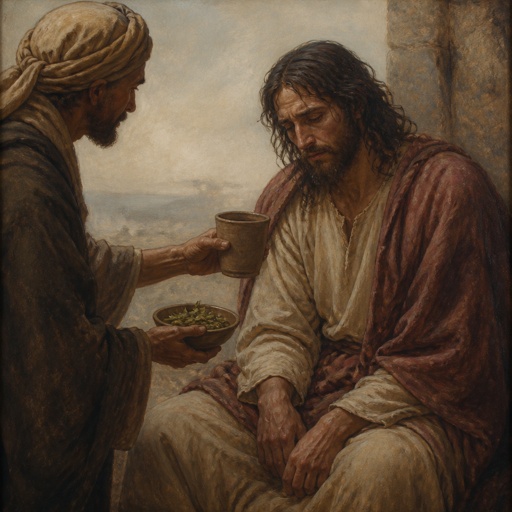
"They gave me also gall for my meat; and in my thirst they gave me vinegar to drink." - Psalms 69:21

Psalms 69:24 - "Pour out thine indignation upon them, and let thy wrathful anger take hold of them."

Psalms 119:69 - "The proud have forged a lie against me: but I will keep thy precepts with my whole heart."