Exchanging Tears for Triumph: The Power of Fasting in Our Mourning
"When I wept, and chastened my soul with fasting, that was to my reproach." - Psalms 69:10
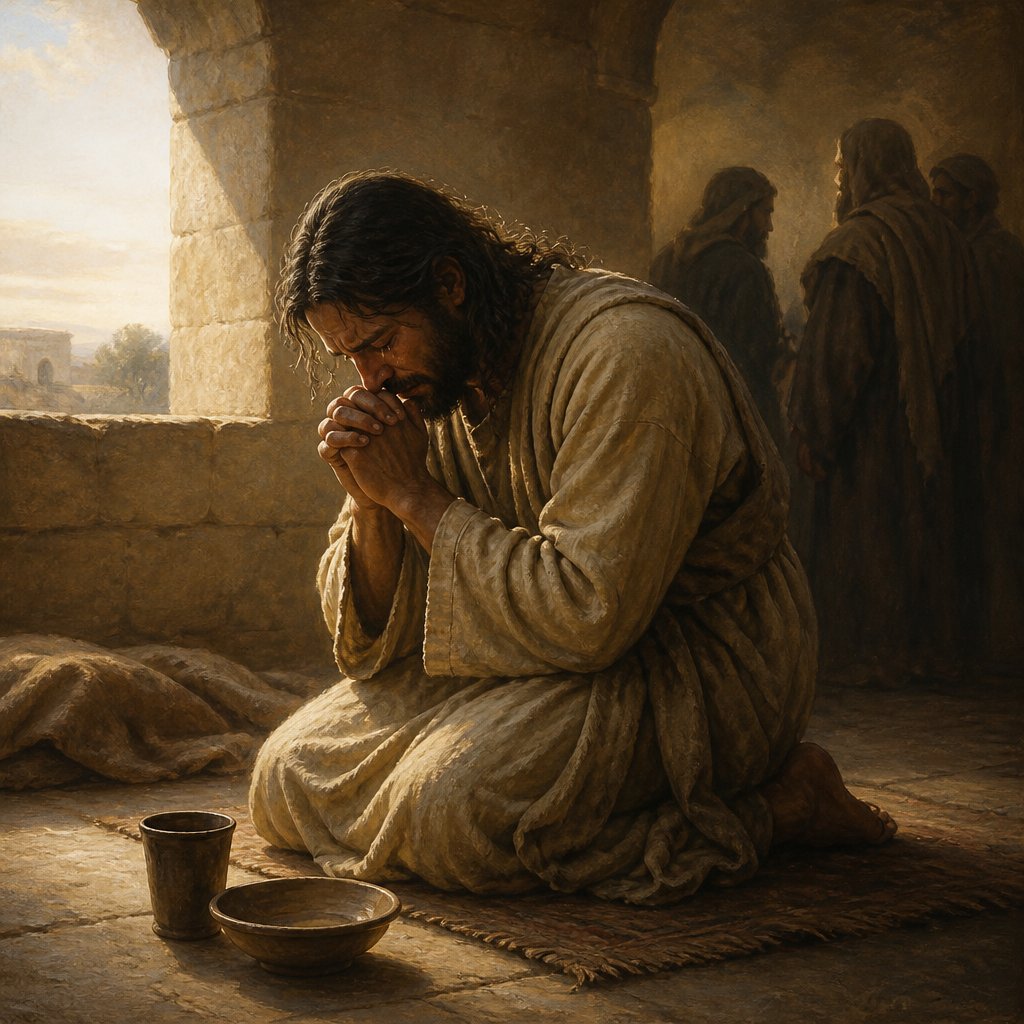
The verse from Psalms 69:10 in the King James Version (KJV)—"When I wept, and chastened my soul with fasting, that was to my reproach"—holds deep meaning for us as we navigate the trials and tribulations of life. In this passage, the psalmist expresses a profound understanding of sorrow and the ways in which we seek God through deep, earnest lamentation.
Fasting is an ancient practice, often associated with mourning or seeking God’s guidance in times of trouble. It is a deliberate act of self-denial that allows us to turn our hearts and minds to the Lord, focusing entirely on Him rather than on the distractions of the flesh. In moments of grief, such as what the psalmist describes, fasting can serve as a physical manifestation of our inner anguish as we seek to draw closer to God.
The phrase "when I wept" conveys the rawness of sorrow—the kind of deep, guttural mourning that many of us have experienced. It speaks to the inevitability of pain, disappointment, and struggle in our lives. It allows us to acknowledge our discontent and mental turmoil before God. Our tears are not just droplets of sadness but are emblematic of our struggle, our longing, and our surrender to His will.
Yet, the psalmist acknowledges that this deep emotional response and commitment to fasting was met with reproach. In many ways, our acts of seeking God, such as laying aside our comforts to fast and pray, can sometimes be misunderstood or even mocked by others. Society often does not comprehend the spiritual significance of fasting. In our vulnerable moments, when we pour out our hearts to the Lord, it may be dismissed by those who do not appreciate the profound connection we seek. This experience of ridicule can feel isolating and heavy.
So why does fasting, coupled with mourning, bear reproach? It is because it is a private act that counters societal norms. We live in a world that celebrates self-sufficiency, wealth, and physical satisfaction. To fast is to acknowledge our fragility and need for divine help, which can challenge the status quo. It reminds us that we are not in control and that true sustenance comes from God alone.
In our own lives, we can take comfort in this acknowledgement. Times of despair often lead us to a closer relationship with God. The act of fasting is one of humility; it is an openness to God’s spirit, allowing Him to work through our pain. In periods of sorrow, fasting encourages us to embrace our grief and redirect it to God as a powerful form of worship.
This brings us to a crucial reality: sorrow can transition into spiritual victory. Mourning does not always yield to despair. As we fast, surrendering our wants and needs, we place ourselves in alignment with God’s purposes for our lives. Fasting is not just about denying ourselves food; it is about feeding our souls with the bread of life, which is Jesus (John 6:35). It reminds us that, even when we seem to carry reproach or face ridicule, we are seeking something far more precious than societal acceptance—intimacy with our Creator.
As we reflect on Psalms 69:10, let it encourage us to view our painful moments differently. They are opportunities not just for sorrow, but for spiritual awakening. We are invited to fast, not for mere ritual, but to bring our souls into submission and alignment with God. In our weeping, let us continue to chasten our souls and trust that God is with us in our brokenness. Let us embrace the sorrow, knowing that it can be transformed into a testimony of faith and reliance on God’s eternal goodness.
Want to reflect more on Psalms 69:10?
Continue your spiritual journey with Bible Chat — an AI-powered tool for exploring God's Word through conversation. Ask questions, discover connections, and deepen your understanding.
Get Our Apps


Psalms 69:10 Artwork

Psalms 69:10 - "When I wept, and chastened my soul with fasting, that was to my reproach."
"When I wept, and chastened my soul with fasting, that was to my reproach." - Psalms 69:10

Psalms 69:31 - "This also shall please the LORD better than an ox or bullock that hath horns and hoofs."

"For the LORD heareth the poor, and despiseth not his prisoners." - Psalms 69:33

Psalms 69:33 - "For the LORD heareth the poor, and despiseth not his prisoners."
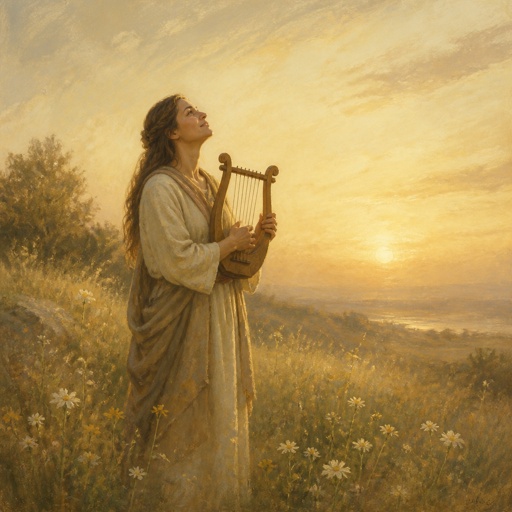
"I will praise the name of God with a song, and will magnify him with thanksgiving." - Psalms 69:30

"Let their eyes be darkened, that they see not; and make their loins continually to shake." - Psalms 69:23

"Let them be blotted out of the book of the living, and not be written with the righteous." - Psalms 69:28

Psalms 69:25 - "Let their habitation be desolate; and let none dwell in their tents."

Psalms 69:12 - "They that sit in the gate speak against me; and I was the song of the drunkards."

Psalms 69:30 - "I will praise the name of God with a song, and will magnify him with thanksgiving."

Psalms 69:23 - "Let their eyes be darkened, that they see not; and make their loins continually to shake."

Psalms 69:28 - "Let them be blotted out of the book of the living, and not be written with the righteous."

Psalms 69:1 - "Save me, O God; for the waters are come in unto my soul."

Psalms 69:27 - "Add iniquity unto their iniquity: and let them not come into thy righteousness."

Psalms 69:11 - "I made sackcloth also my garment; and I became a proverb to them."

Psalms 69:32 - "The humble shall see this, and be glad: and your heart shall live that seek God."

Psalms 69:35 - "For God will save Zion, and will build the cities of Judah: that they may dwell there, and have it in possession."

Psalms 69:34 - "Let the heaven and earth praise him, the seas, and every thing that moveth therein."

"O God, thou knowest my foolishness; and my sins are not hid from thee." - Psalms 69:5

Psalms 69:5 - "O God, thou knowest my foolishness; and my sins are not hid from thee."

Psalms 69:18 - "Draw nigh unto my soul, and redeem it: deliver me because of mine enemies."

Psalms 69:7 - "Because for thy sake I have borne reproach; shame hath covered my face."

Psalms 69:36 - "The seed also of his servants shall inherit it: and they that love his name shall dwell therein."

Psalms 69:8 - "I am become a stranger unto my brethren, and an alien unto my mother's children."

Psalms 69:17 - "And hide not thy face from thy servant; for I am in trouble: hear me speedily."

Psalms 69:21 - "They gave me also gall for my meat; and in my thirst they gave me vinegar to drink."
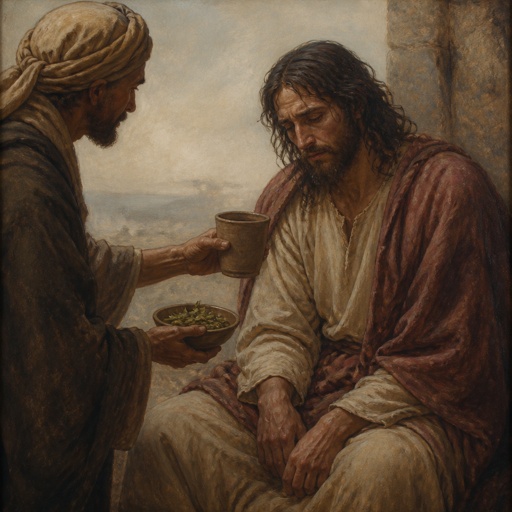
"They gave me also gall for my meat; and in my thirst they gave me vinegar to drink." - Psalms 69:21

Psalms 119:69 - "The proud have forged a lie against me: but I will keep thy precepts with my whole heart."

Psalms 69:24 - "Pour out thine indignation upon them, and let thy wrathful anger take hold of them."