Rooted in Trust: The Evergreen Promise of Psalm 52:8
"But I am like a green olive tree in the house of God: I trust in the mercy of God for ever and ever." - Psalms 52:8
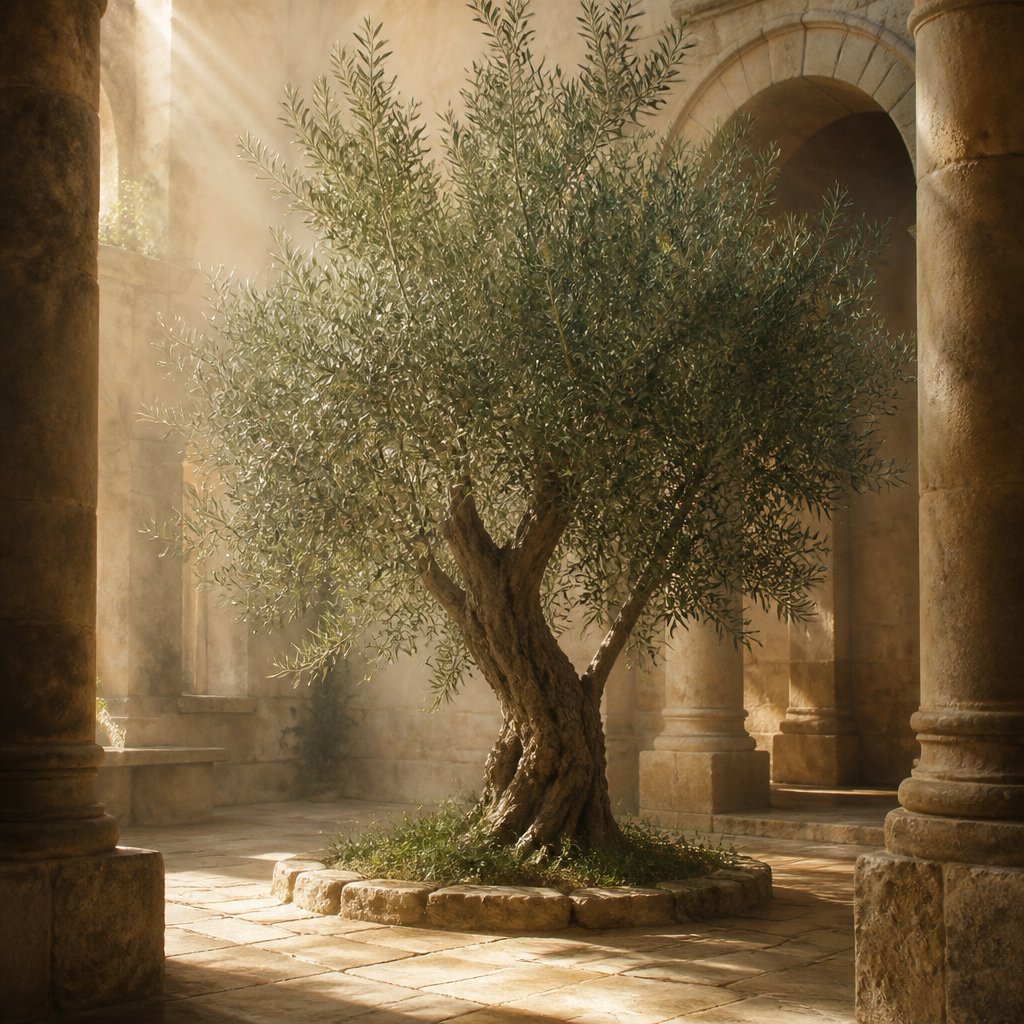
Psalm 52:8 states, "But I am like a green olive tree in the house of God: I trust in the mercy of God for ever and ever." This powerful proclamation from the psalmist encapsulates the core of our relationship with God: trust and steadfastness in His mercy. As we delve into this verse, we will explore the imagery of the olive tree, the significance of being rooted in God’s house, and the enduring nature of His mercy.
The comparison to a green olive tree is rich with meaning. In the biblical context, olive trees were not only valued for their oil but also symbolized peace, prosperity, and resilience. Olive trees can thrive for centuries, their roots deep and unwavering, which serves as a profound metaphor for our faith. When we place ourselves in the house of God—in His presence—we, too, become like the rooted olive tree, flourishing despite the storms of life that may come our way.
The olive tree is a testament to resilience. It can endure harsh conditions, weathering storms and droughts. Similarly, we often encounter trials that test our faith. During these times, it is crucial to remember that our foundation is in God. Each challenge we face can serve as an opportunity to grow deeper in trust and faith. Just as the olive tree remains vibrant and green, we can maintain our spiritual life, nourished by God’s unending mercy.
In saying, "I trust in the mercy of God for ever and ever," the psalmist acknowledges a deep-seated belief in the enduring nature of God’s mercy. It’s important to note that mercy is not just about forgiveness; it’s about God’s unwavering kindness toward us, often when we least deserve it. The Hebrew word for mercy here translates to a deep, compassionate love that God has for His people. This should be a source of great comfort for all believers.
Moreover, this verse carries a dual significance of reliance and response. First, it emphasizes our need to place our trust in God. To trust means to lean on Him in all circumstances. This trust is not a passive state; it requires active engagement with God’s Word, prayer, and the community of believers. Trusting in God’s mercy leads us to live out of a place of peace, even amid uncertainty.
On the other side, our declaration of trust prompts a response to God’s mercy. Living in the light of His grace compels us to extend mercy to others. As recipients of God's abundant grace, we are challenged to reflect that grace in our interactions. Our relationships can mirror the mercy we have experienced, testifying to the transformative power of God's love.
Being "in the house of God" is also significant. This isn’t merely about physical location; it symbolizes a state of being in God’s presence. When we are in His house, we dwell where His spirit is, surrounded by a community of faith, worshipping and growing together. This collective worship fosters an environment where we can nurture our trust in God's mercy. It is among fellow believers that we find encouragement and strength, akin to the interconnectedness of olive trees in an orchard, drawing strength and sustenance from one another.
As we meditate on Psalm 52:8, we are reminded to cultivate our faith. Let us strive to be like the olive tree: consistently fruitful and vibrant, deeply rooted in trust. Today, let’s acknowledge where we may need to deepen our trust in God’s mercy. Let's lean on Him—after all, our trust is not in ourselves or our circumstances but in the everlasting goodness of our God who promises to be with us forever.
In conclusion, as we walk through life's journey, let us embrace our identity as green olive trees in the house of God. Rooted in His mercy, may we shine as lights in a world that desperately needs to experience the kindness and love of our merciful Father.
Want to reflect more on Psalms 52:8?
Continue your spiritual journey with Bible Chat — an AI-powered tool for exploring God's Word through conversation. Ask questions, discover connections, and deepen your understanding.
Get Our Apps


Psalms 52:8 Artwork

Psalms 52:8 - "But I am like a green olive tree in the house of God: I trust in the mercy of God for ever and ever."
"But I am like a green olive tree in the house of God: I trust in the mercy of God for ever and ever." - Psalms 52:8

"Blessed be the LORD for evermore. Amen, and Amen." - Psalms 89:52

Psalms 89:52 - "Blessed be the LORD for evermore. Amen, and Amen."

Psalms 52:6 - "The righteous also shall see, and fear, and shall laugh at him:"

Psalms 52:4 - "Thou lovest all devouring words, O thou deceitful tongue."

Psalms 52:2 - "Thy tongue deviseth mischiefs; like a sharp razor, working deceitfully."

Psalms 119:52 - "I remembered thy judgments of old, O LORD; and have comforted myself."

Psalms 52:3 - "Thou lovest evil more than good; and lying rather than to speak righteousness. Selah."

Psalms 52:1 - "Why boastest thou thyself in mischief, O mighty man? the goodness of God endureth continually."

"Thou lovest evil more than good; and lying rather than to speak righteousness. Selah." - Psalms 52:3

Psalms 78:52 - "But made his own people to go forth like sheep, and guided them in the wilderness like a flock."

Psalms 52:7 - "Lo, this is the man that made not God his strength; but trusted in the abundance of his riches, and strengthened himself in his wickedness."

Psalms 52:9 - "I will praise thee for ever, because thou hast done it: and I will wait on thy name; for it is good before thy saints."

Psalms 49:8 - "(For the redemption of their soul is precious, and it ceaseth for ever:)"
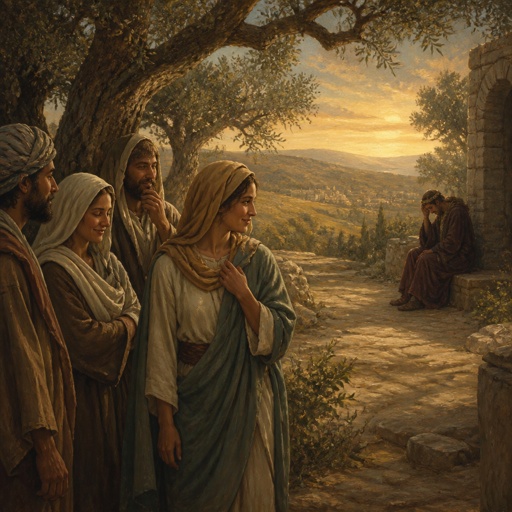
"The righteous also shall see, and fear, and shall laugh at him:" - Psalms 52:6
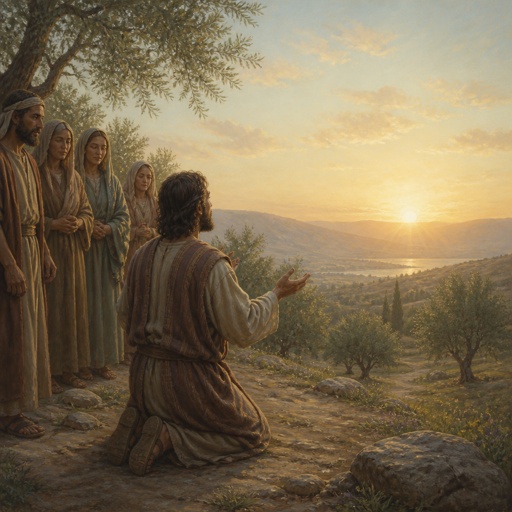
"I will praise thee for ever, because thou hast done it: and I will wait on thy name; for it is good before thy saints." - Psalms 52:9
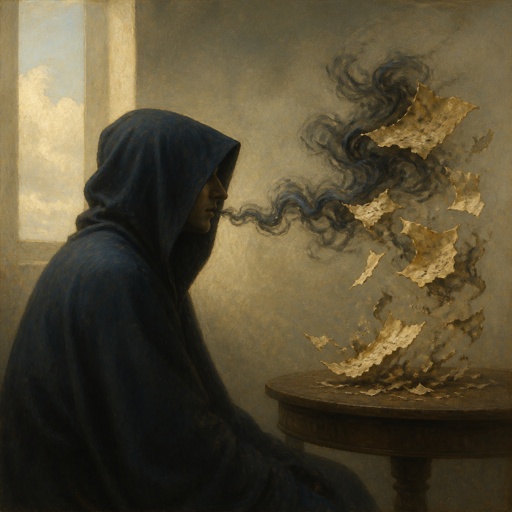
"Thou lovest all devouring words, O thou deceitful tongue." - Psalms 52:4
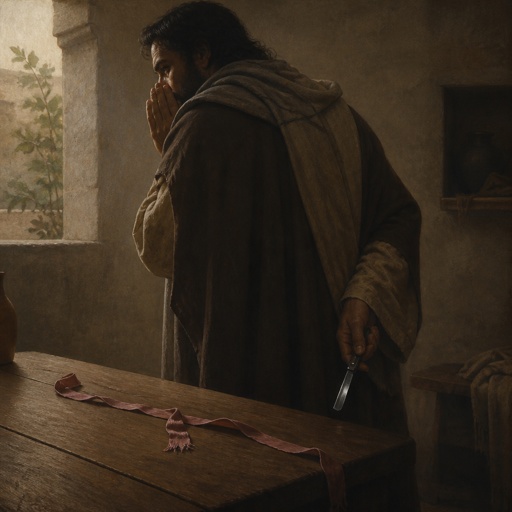
"Thy tongue deviseth mischiefs; like a sharp razor, working deceitfully." - Psalms 52:2
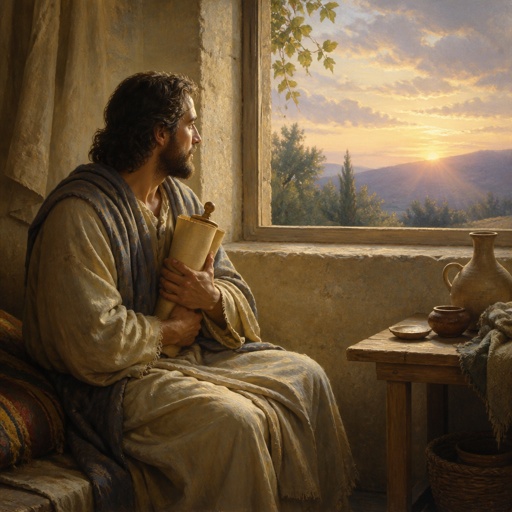
"I remembered thy judgments of old, O LORD; and have comforted myself." - Psalms 119:52

Psalms 52:5 - "God shall likewise destroy thee for ever, he shall take thee away, and pluck thee out of thy dwelling place, and root thee out of the land of the living. Selah."

"All sheep and oxen, yea, and the beasts of the field;" - Psalms 8:7

"To bind their kings with chains, and their nobles with fetters of iron;" - Psalms 149:8

"But thou, LORD, art most high for evermore." - Psalms 92:8

Psalms 78:8 - "And might not be as their fathers, a stubborn and rebellious generation; a generation that set not their heart aright, and whose spirit was not stedfast with God."

"Why boastest thou thyself in mischief, O mighty man? the goodness of God endureth continually." - Psalms 52:1

Luke 8:52 - "And all wept, and bewailed her: but he said, Weep not; she is not dead, but sleepeth."

"They are brought down and fallen: but we are risen, and stand upright." - Psalms 20:8

"Let the floods clap their hands: let the hills be joyful together" - Psalms 98:8

"They are corrupt, and speak wickedly concerning oppression: they speak loftily." - Psalms 73:8