The Deceptive Edge: Taming the Tongue
"Thy tongue deviseth mischiefs; like a sharp razor, working deceitfully." - Psalms 52:2
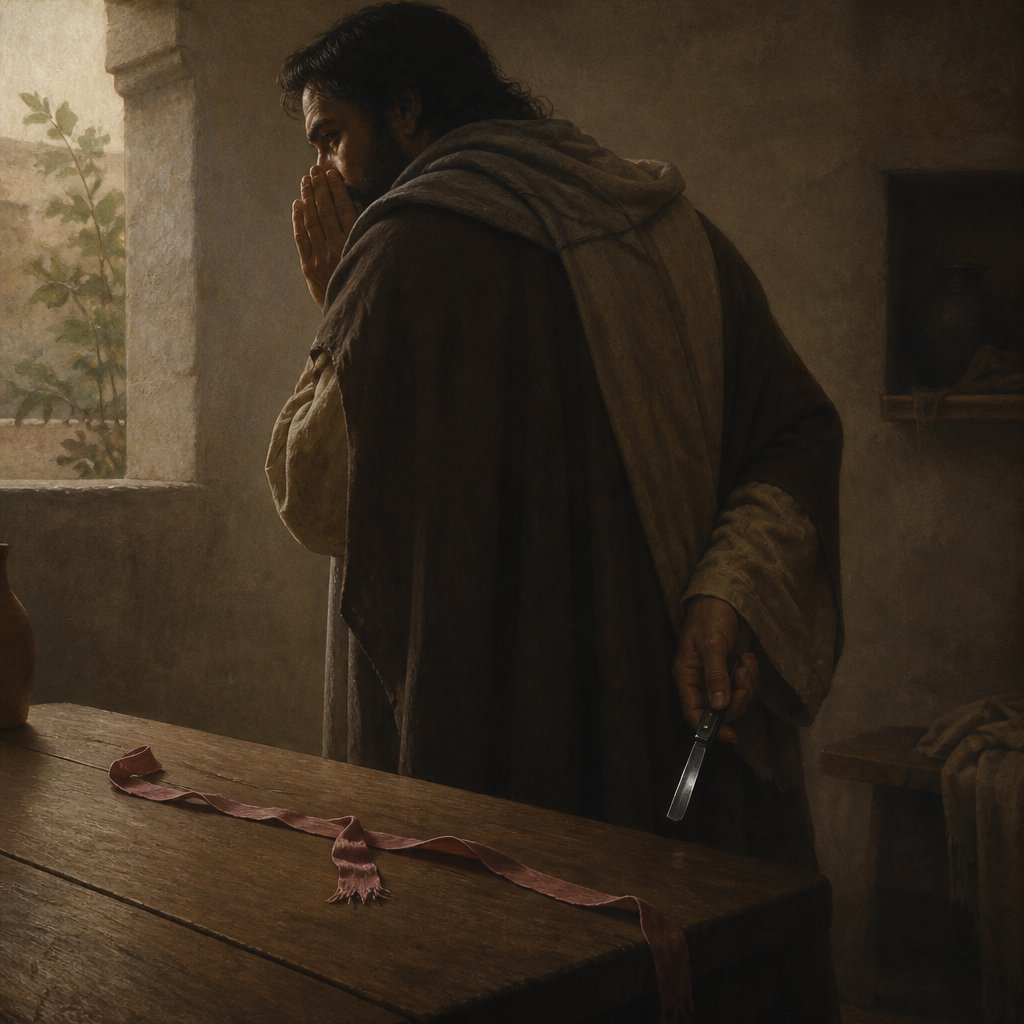
As we immerse ourselves in Psalm 52:2, we encounter a stark warning about the power of our words: "Thy tongue deviseth mischiefs; like a sharp razor, working deceitfully" (KJV). This verse invites us to reflect on the intent behind our speech and the impact it has—not only on others but also on our spiritual walk with God.
The psalmist, David, penned these words in the context of betrayal and treachery, likely directed towards Doeg the Edomite, who used deceitful words to destroy a community. It is essential to recognize that the tongue can be a tool of construction or destruction, capable of building lasting relationships or shattering them in an instant. In this passage, David draws a sharp contrast between the vital power of truthful communication and the sinister intent of deceitful speech.
To say that the tongue "deviseth mischiefs" indicates a premeditated effort to harm or cause chaos, a deliberate crafting of words like an artist with a canvas. This verse challenges us to consider our speech—are we using our tongues to uplift, encourage, and spread hope? Or are we, perhaps unconsciously, wielding it as a weapon to harm others? The imagery of the tongue as a "sharp razor" is particularly poignant; it implies precision in its cutting ability. Words, once spoken, can leave wounds far deeper than any physical injury.
In the book of James, we see similar reflections on the tongue’s power: "But the tongue can no man tame; it is an unruly evil, full of deadly poison" (James 3:8, KJV). This sentiment echoes the severity of David’s warning in Psalm 52, emphasizing that without divine intervention, the human heart can easily descend into a state of speaking volatility and hurting others.
Furthermore, the term "working deceitfully" adds another layer to our understanding of the implications of our words. It raises questions about our motivations and the intent behind our conversations. In what instances have we been less than honest in our discussions? Have we manipulated words to create false narratives or to protect our egos? Each time we allow deceitful speech to flow from our lips, we stray further from God's truth.
We are called to reflect Jesus in our words. The Word of God reminds us in Proverbs 18:21 that "Death and life are in the power of the tongue: and they that love it shall eat the fruit thereof" (KJV). We must evaluate the type of fruit that our words are producing—are they nurturing or toxic? Encouraging or disparaging?
The path to controlling our tongues starts with fervent prayer. Asking God to guide our speech can lead to a transformative change in how we communicate. David's plea should resonate in our prayers: "Set a watch, O Lord, before my mouth; keep the door of my lips" (Psalms 141:3, KJV). Such cries for help not only acknowledge our difficulty in managing our speech but also invite God to take the lead in our conversations.
Moreover, it’s crucial to foster an environment of honesty and integrity in our actions. When our hearts are aligned with God’s truth, our tongues will naturally reflect that purity. We are reminded in Matthew 12:34 that “for out of the abundance of the heart the mouth speaketh” (KJV).
As you meditate on Psalm 52:2, take a moment to examine the current state of your tongue. What mischief does it create? Where can you invite the Holy Spirit to transform your speech into instruments of life? Let us aspire to be vessels of truth and blessings to those around us, using our words for building rather than destroying. In doing so, we reflect the character of Christ, who always spoke words of life, love, and truth.
Want to reflect more on Psalms 52:2?
Continue your spiritual journey with Bible Chat — an AI-powered tool for exploring God's Word through conversation. Ask questions, discover connections, and deepen your understanding.
Get Our Apps


Psalms 52:2 Artwork

Psalms 52:2 - "Thy tongue deviseth mischiefs; like a sharp razor, working deceitfully."
"Thy tongue deviseth mischiefs; like a sharp razor, working deceitfully." - Psalms 52:2

"Blessed be the LORD for evermore. Amen, and Amen." - Psalms 89:52

Psalms 89:52 - "Blessed be the LORD for evermore. Amen, and Amen."

Psalms 52:6 - "The righteous also shall see, and fear, and shall laugh at him:"

Psalms 52:4 - "Thou lovest all devouring words, O thou deceitful tongue."

Psalms 119:52 - "I remembered thy judgments of old, O LORD; and have comforted myself."

Psalms 52:3 - "Thou lovest evil more than good; and lying rather than to speak righteousness. Selah."

Psalms 52:1 - "Why boastest thou thyself in mischief, O mighty man? the goodness of God endureth continually."

"Thou lovest evil more than good; and lying rather than to speak righteousness. Selah." - Psalms 52:3

Psalms 78:52 - "But made his own people to go forth like sheep, and guided them in the wilderness like a flock."

Psalms 52:7 - "Lo, this is the man that made not God his strength; but trusted in the abundance of his riches, and strengthened himself in his wickedness."

Psalms 52:8 - "But I am like a green olive tree in the house of God: I trust in the mercy of God for ever and ever."

Psalms 81:2 - "Take a psalm, and bring hither the timbrel, the pleasant harp with the psaltery."

Psalms 52:9 - "I will praise thee for ever, because thou hast done it: and I will wait on thy name; for it is good before thy saints."
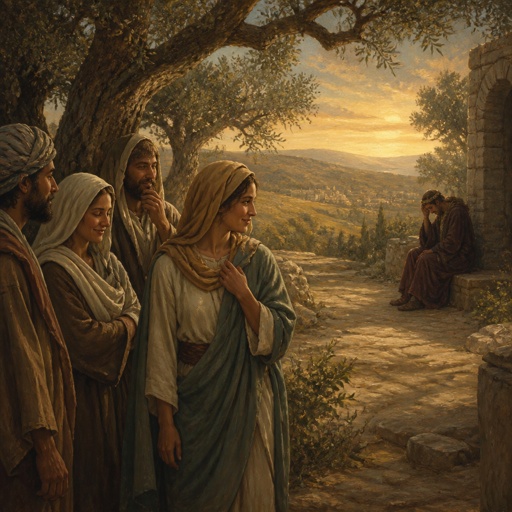
"The righteous also shall see, and fear, and shall laugh at him:" - Psalms 52:6

"I will praise thee for ever, because thou hast done it: and I will wait on thy name; for it is good before thy saints." - Psalms 52:9

"Thou lovest all devouring words, O thou deceitful tongue." - Psalms 52:4
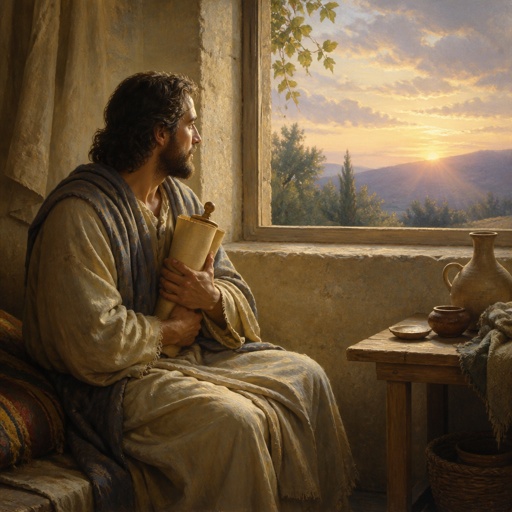
"I remembered thy judgments of old, O LORD; and have comforted myself." - Psalms 119:52

Psalms 52:5 - "God shall likewise destroy thee for ever, he shall take thee away, and pluck thee out of thy dwelling place, and root thee out of the land of the living. Selah."
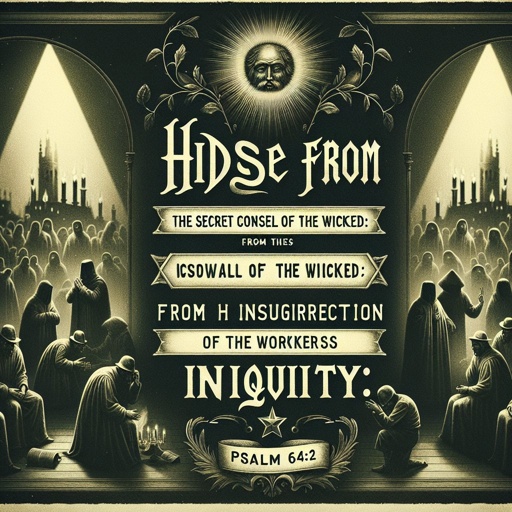
Psalms 64:2 - "Hide me from the secret counsel of the wicked; from the insurrection of the workers of iniquity:"
Psalms 115:2 - "Wherefore should the heathen say, Where is now their God?"

Luke 2:52

"Take a psalm, and bring hither the timbrel, the pleasant harp with the psaltery." - Psalms 81:2

"Why boastest thou thyself in mischief, O mighty man? the goodness of God endureth continually." - Psalms 52:1

Luke 2:41-52

"But made his own people to go forth like sheep, and guided them in the wilderness like a flock." - Psalms 78:52

Psalms 54:2 - "Hear my prayer, O God; give ear to the words of my mouth."

Psalms 149:2 - "Let Israel rejoice in him that made him: let the children of Zion be joyful in their King."

"Lo, this is the man that made not God his strength; but trusted in the abundance of his riches, and strengthened himself in his wickedness." - Psalms 52:7