The Folly of the Heart: Recognizing God's Presence in a Distracted World
"The fool hath said in his heart, There is no God. They are corrupt, they have done abominable works, there is none that doeth good." - Psalms 14:1

As we delve into the words of Psalm 14:1, we confront a bold assertion about the nature of belief and the impact of our convictions on our actions and relationships. The verse states, "The fool hath said in his heart, There is no God. They are corrupt, they have done abominable works, there is none that doeth good." These profound words of David carry layers of meaning that impact both our understanding of atheism and our personal walks with God.
At first glance, the term "fool" might seem harsh, but in the context of biblical literature, it denotes an individual who acts contrary to God's wisdom. The folly of denying God's existence is not merely an intellectual misstep; it stems from a deeper condition of the heart. When David writes that the fool has declared in his heart that there is no God, he exposes the root of foolishness: a willingness to reject the divine order and moral framework that God has established.
This rejection isn't only theoretical; it leads to a lifestyle marked by corruption and evil deeds. David follows his proclamation with a stark observation of the moral environment; he asserts that these individuals have done abominable works. The Hebrew word for abominable carries the weight of something detestable in the sight of God. It is a grim reminder that when people ignore or deny God's existence, they often spiral into a moral chaos that leads to wickedness.
Yet, within this harsh critique, we find the hope of redemption. If the fool denies God’s existence, what about the wise? Wisdom, as defined in Proverbs, often begins with the fear of the Lord. To recognize that God exists and is actively engaged in the world instills a sense of purpose and responsibility. It brings clarity to chaos and invites believers into a relationship grounded in truth and integrity.
This call to wisdom encourages us to reflect inwardly. How often do we find ourselves living as practical atheists, denying God's sovereignty in our daily affairs? Perhaps we acknowledge God’s existence with our lips, yet our hearts harbor fears, doubts, and a lack of faith. Are there moments when we act corruptly or dismiss God's guidance, believing that our plans will suffice?
Furthermore, David’s observations about the state of those who deny God extends beyond individual behavior; it permeates communities and societies. When God is stripped from the foundation of our culture, moral relativism takes precedence, and chaos follows. We witness this in the world around us—a desperate search for hope that often leads to destructive behavior in the absence of a moral compass. Without God, we lose our sense of right and wrong, leading to a culture of abominable works, where righteousness feels obsolete, and self-interest reigns.
As believers, this psalm serves as a compelling reminder to reaffirm our faith daily. We are called to manifest the goodness of God in our lives, countering the folly of disbelief. Belief in God isn’t merely about intellectual agreement; it’s about living as though He matters in every facet of our lives. It’s about understanding that recognizing His existence brings transformation, propelling us toward doing good works that reflect His character.
As you meditate on this powerful verse from Psalm 14:1, ask yourself: What is your heart proclaiming about the existence of God? Are you engaging in actions that align with His goodness? Allow the Holy Spirit to illuminate areas of your life that may reflect corrupt practices or a denial of God’s sovereignty.
In conclusion, let every acknowledgment of God in our hearts translate into actions that glorify Him. Embrace the wisdom of faith that acknowledges God’s existence and allows it to dictate our work, our interactions, and our attitude towards life—transforming us from mere believers to beacons of His divine goodness in a world that desperately needs it.
Want to reflect more on Psalms 14:1?
Continue your spiritual journey with Bible Chat — an AI-powered tool for exploring God's Word through conversation. Ask questions, discover connections, and deepen your understanding.
Get Our Apps


Psalms 14:1 Artwork

Psalms 14:1 - "The fool hath said in his heart, There is no God. They are corrupt, they have done abominable works, there is none that doeth good."

Psalms 14:1 (Brenton) 1 For the end, Psalm of David. The fool has said in his heart, There is no God. They have corrupted themselves, and become abominable in their devices; there is none that does goodness, there is not even so much as one.

Psalms 14:1 (KJVA) 1 To the chief Musician, A Psalm of David. The fool hath said in his heart, There is no God. They are corrupt, they have done abominable works, there is none that doeth good.

Psalms 14:1 (KJVA) 1 To the chief Musician, A Psalm of David. The fool hath said in his heart, There is no God. They are corrupt, they have done abominable works, there is none that doeth good.

Psalms 14:1 (KJVA) 1 To the chief Musician, A Psalm of David. The fool hath said in his heart, There is no God. They are corrupt, they have done abominable works, there is none that doeth good.

Psalms 14:1 (KJVA) 1 To the chief Musician, A Psalm of David. The fool hath said in his heart, There is no God. They are corrupt, they have done abominable works, there is none that doeth good.

Psalms 14:1 (KJVA) 1 To the chief Musician, A Psalm of David. The fool hath said in his heart, There is no God. They are corrupt, they have done abominable works, there is none that doeth good.

Psalms 14:1 (KJVA) 1 To the chief Musician, A Psalm of David. The fool hath said in his heart, There is no God. They are corrupt, they have done abominable works, there is none that doeth good.

Psalms 14:1 (KJVA) 1 To the chief Musician, A Psalm of David. The fool hath said in his heart, There is no God. They are corrupt, they have done abominable works, there is none that doeth good.

Psalms 14:1 (KJVA) 1 To the chief Musician, A Psalm of David. The fool hath said in his heart, There is no God. They are corrupt, they have done abominable works, there is none that doeth good.

"The fool hath said in his heart, There is no God. They are corrupt, they have done abominable works, there is none that doeth good." - Psalms 14:1

"As the fire burneth a wood, and as the flame setteth the mountains on fire;" - Psalms 83:14

"For he knoweth our frame; he remembereth that we are dust." - Psalms 103:14

Psalms 135 : 14

"When the Almighty scattered kings in it, it was white as snow in Salmon." - Psalms 68:14

Psalms 9:14 - "That I may shew forth all thy praise in the gates of the daughter of Zion: I will rejoice in thy salvation."

Psalms 59:14 - "And at evening let them return; and let them make a noise like a dog, and go round about the city."

"The LORD is my strength and song, and is become my salvation." - Psalms 118:14
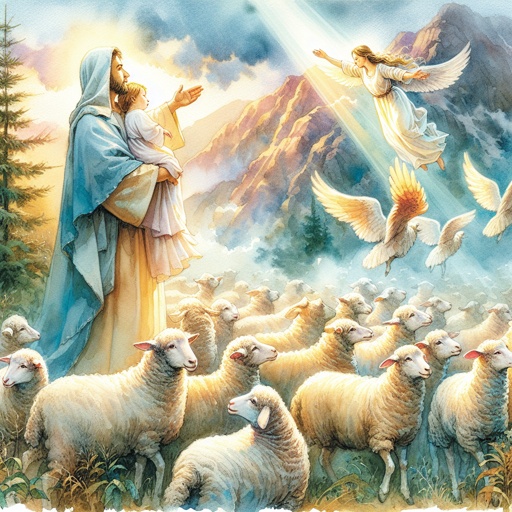
psalm 80:1-7

Psalms 128:1 - "Blessed is every one that feareth the LORD; that walketh in his ways."

Psalms 122:1 - "I was glad when they said unto me, Let us go into the house of the LORD."

Psalms 15:1 (KJVA) 1 A Psalm of David. LORD, who shall abide in thy tabernacle? who shall dwell in thy holy hill?

Psalm 27:13-14

"Thou makest us a byword among the heathen, a shaking of the head among the people." - Psalms 44:14

"For the LORD will judge his people, and he will repent himself concerning his servants." - Psalms 135:14

"Offer unto God thanksgiving; and pay thy vows unto the most High:" - Psalms 50:14

Psalms 15:1 (KJVA) 1 A Psalm of David. LORD, who shall abide in thy tabernacle? who shall dwell in thy holy hill?

Psalms 64:1 - "Hear my voice, O God, in my prayer: preserve my life from fear of the enemy."

Psalms 106:14 - "But lusted exceedingly in the wilderness, and tempted God in the desert."

Psalms 14:5 - "There were they in great fear: for God is in the generation of the righteous."