The Cry of the Captive: Embracing Justice with a Heart of Faith
"O daughter of Babylon, who art to be destroyed; happy shall he be, that rewardeth thee as thou hast served us." - Psalms 137:8
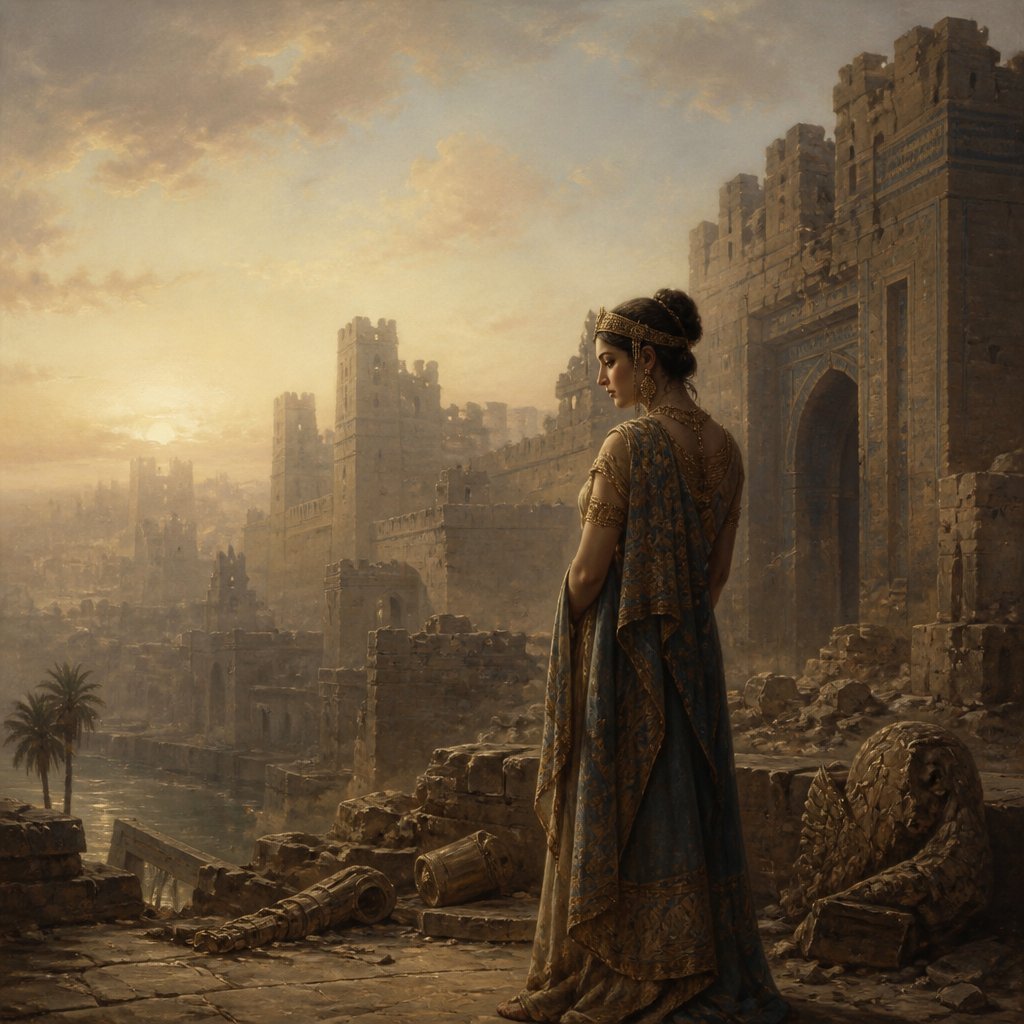
As we delve into the words of Psalm 137:8, "O daughter of Babylon, who art to be destroyed; happy shall he be, that rewardeth thee as thou hast served us," we are confronted with a profound and complex theme of justice, retribution, and the human longing for vindication. This psalm, often referred to as a lament, was written during one of the most distressing periods in Israel's history – the Babylonian exile.
Upon first reading, it is easy to feel overwhelmed by the stark imagery and emotional weight of the text. The "daughter of Babylon" symbolizes a powerful nation that has oppressed and conquered Jerusalem and its people. The anguished cry of the Israelites reflects their deep sorrow and sense of injustice, for they had faced ruin and desolation at the hands of their captors. Here we see a dual invocation: a cry against oppression and a longing for justice based on their suffering.
In our lives today, we cannot distance ourselves from the universal reality of strife, suffering, and injustice. Just as the Israelites found themselves in captivity, we often find ourselves in our own 'Babylonian' conditions—situations where we feel oppressed or victimized by circumstances, relationships, or even our own choices. The emotional weight of longing for justice resonates deeply with human experience.
However, what do we make of the declaration, "happy shall he be, that rewardeth thee as thou hast served us"? This reflects a hard truth about the cycle of justice. The psalmist isn’t merely calling for vengeance; there is an element of righteousness woven through the fabric of their cry. It illustrates a desperate plea for the scales to be balanced; where there has been suffering, there should also be accountability. The call for retribution serves a purpose: it affirms that the pain inflicted upon them does not go unnoticed or unaddressed. Yet it challenges us—how do we reconcile such thoughts with our understanding of grace and mercy?
As believers, we are often placed in a tension between the desire for justice and the call to forgiveness. In the New Testament, Jesus teaches us to love our enemies and pray for those who persecute us (Matthew 5:44). This stands in contrast to the desire for retribution expressed in Psalm 137. Yet, it speaks to the deeper theme of Scripture: God’s sovereignty over justice. The verse aligns with God’s ultimate aim to establish His righteousness and to restore what is broken.
As we reflect on this passage, we must recognize that the desire for justice is not inherently wrong; wanting wrongs to be made right is a powerful testament to our understanding of God’s holy character. However, we are reminded that true justice is ultimately in God’s hands. Romans 12:19 urges us not to seek vengeance but to leave room for God’s wrath, indicating that it is God's justice we lean upon, not our own.
Additionally, this psalm also serves as a call to remember and to reflect. It encourages us to bear witness to our pain while trusting in the future restoration that God promises. The heart of a believer does not dwell solely in anger but moves toward hope. We recognize that Jesus Christ, who suffered at the hands of His enemies, doesn’t erase our yearning for justice but rather fulfills it through His gracious love and sacrificial redemption.
In conclusion, as we meditate on Psalm 137:8, let us embrace a balance: we can seek justice while resting in grace. We can acknowledge our pain while trusting in God’s plans. May our prayers be filled with the assurance that God sees our tears and hears our cries for justice, leading us ever toward a greater understanding of His divine will—a menu of grace threading through this intricate dance between justice and mercy. In this, we find true happiness—not in revenge, but in the peace that comes from pursuing the heart of God.
Want to reflect more on Psalms 137:8?
Continue your spiritual journey with Bible Chat — an AI-powered tool for exploring God's Word through conversation. Ask questions, discover connections, and deepen your understanding.
Get Our Apps


Psalms 137:8 Artwork

Psalms 137:8 - "O daughter of Babylon, who art to be destroyed; happy shall he be, that rewardeth thee as thou hast served us."

"O daughter of Babylon, who art to be destroyed; happy shall he be, that rewardeth thee as thou hast served us." - Psalms 137:8

"Righteous art thou, O LORD, and upright are thy judgments." - Psalms 119:137

Psalms 137:2 - "We hanged our harps upon the willows in the midst thereof."

Psalms 119:137 - "Righteous art thou, O LORD, and upright are thy judgments."

"How shall we sing the LORD'S song in a strange land?" - Psalms 137:4

"We hanged our harps upon the willows in the midst thereof." - Psalms 137:2

Psalms 137:4 - "How shall we sing the LORD'S song in a strange land?"

Psalms 137:9 - "Happy shall he be, that taketh and dasheth thy little ones against the stones."

"Happy shall he be, that taketh and dasheth thy little ones against the stones." - Psalms 137:9

"If I forget thee, O Jerusalem, let my right hand forget her cunning." - Psalms 137:5

Psalms 137:1 - "By the rivers of Babylon, there we sat down, yea, we wept, when we remembered Zion."

Psalms 137:5 - "If I forget thee, O Jerusalem, let my right hand forget her cunning."

Psalms 137:7 - "Remember, O LORD, the children of Edom in the day of Jerusalem; who said, Rase it, rase it, even to the foundation thereof."

"By the rivers of Babylon, there we sat down, yea, we wept, when we remembered Zion." - Psalms 137:1

PSALMS 137;5 SHOWING THE OLD CITY OF JERUSALEM

Psalms 137:3 - "For there they that carried us away captive required of us a song; and they that wasted us required of us mirth, saying, Sing us one of the songs of Zion."

Psalms 137:6 - "If I do not remember thee, let my tongue cleave to the roof of my mouth; if I prefer not Jerusalem above my chief joy."

"If I do not remember thee, let my tongue cleave to the roof of my mouth; if I prefer not Jerusalem above my chief joy." - Psalms 137:6

"For there they that carried us away captive required of us a song; and they that wasted us required of us mirth, saying, Sing us one of the songs of Zion." - Psalms 137:3
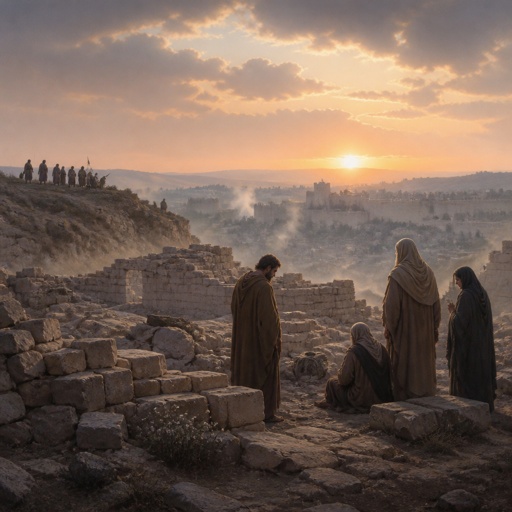
"Remember, O LORD, the children of Edom in the day of Jerusalem; who said, Rase it, rase it, even to the foundation thereof." - Psalms 137:7
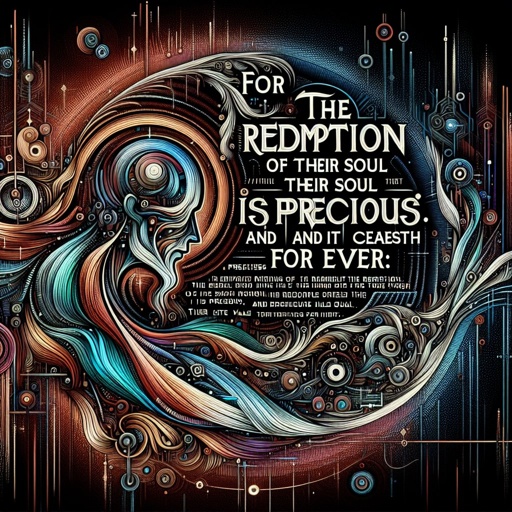
Psalms 49:8 - "(For the redemption of their soul is precious, and it ceaseth for ever:)"

"All sheep and oxen, yea, and the beasts of the field;" - Psalms 8:7

"To bind their kings with chains, and their nobles with fetters of iron;" - Psalms 149:8

"But thou, LORD, art most high for evermore." - Psalms 92:8

Psalms 78:8 - "And might not be as their fathers, a stubborn and rebellious generation; a generation that set not their heart aright, and whose spirit was not stedfast with God."

"They are brought down and fallen: but we are risen, and stand upright." - Psalms 20:8

"Let the floods clap their hands: let the hills be joyful together" - Psalms 98:8

"And he shall redeem Israel from all his iniquities." - Psalms 130:8

"They are corrupt, and speak wickedly concerning oppression: they speak loftily." - Psalms 73:8