Remembering Our Jerusalem: A Call to Faithfulness
"If I forget thee, O Jerusalem, let my right hand forget her cunning." - Psalms 137:5
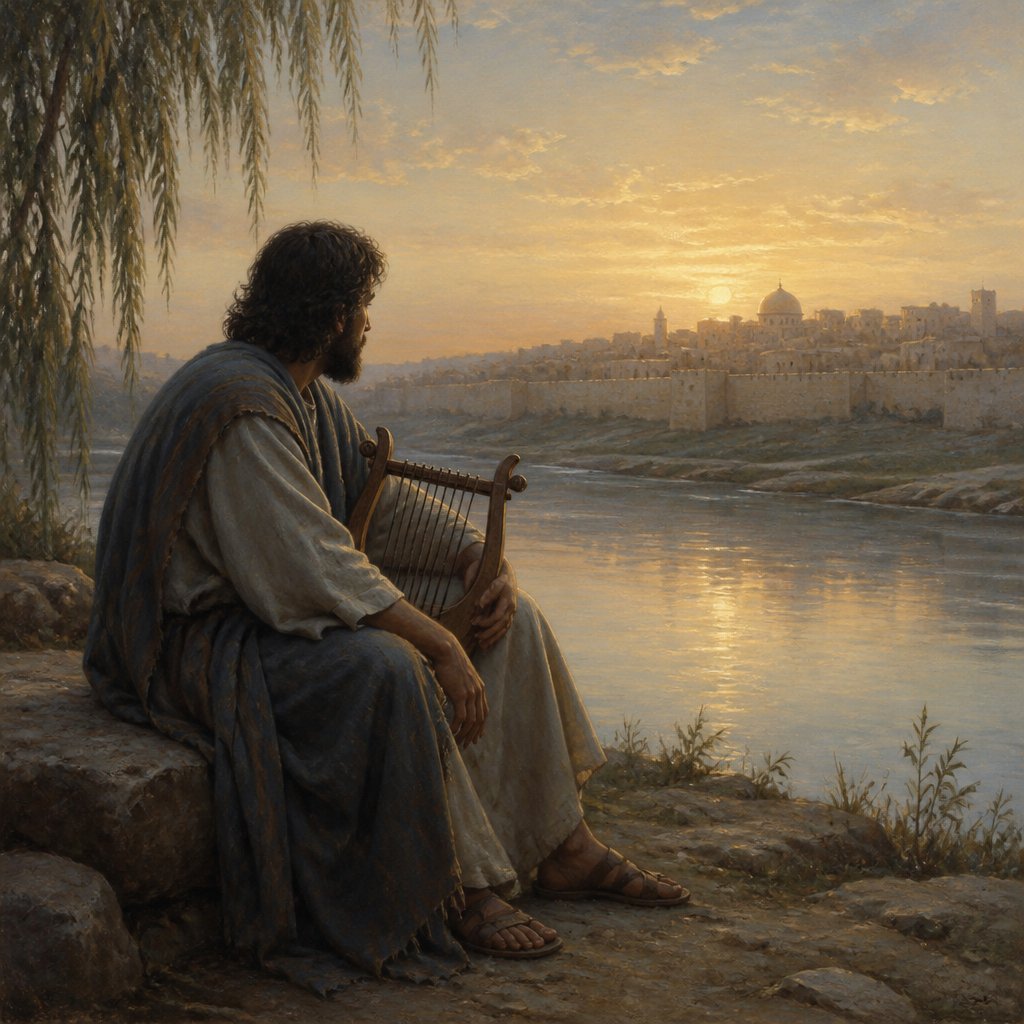
The depths of human emotion are often stirred by memories of home, identity, and belonging. In Psalm 137:5, we encounter a poignant cry that encapsulates the profound sorrow of the Israelites during their Babylonian captivity: "If I forget thee, O Jerusalem, let my right hand forget her cunning" (KJV). This verse reflects a powerful commitment to memory, a refusal to allow the beauty and significance of Jerusalem to fade into obscurity, even in the midst of exile and despair.
The context of this psalm is crucial to our understanding. The Israelites found themselves in a foreign land, forcibly removed from their homeland, surrounded by captors who sought to strip away their identity and cultural heritage. The rivers of Babylon became a place of lament, and the people hung their harps upon the willows, their music turned to silence. In their sadness and longing for Jerusalem, they expressed the essence of their faith and hope: a deep-seated urge to remember.
When the psalmist declares, "If I forget thee, O Jerusalem," it suggests not merely a geographical or physical remembrance but a spiritual and emotional connection to their identity as God’s chosen people. Jerusalem was more than just a city; it was the center of their faith, the dwelling place of God's presence, and the throne of David. To forget Jerusalem was tantamount to forgetting their purpose, their covenant with God, and their collective identity as a nation. It represents a commitment to hold fast to their faith amidst trials and tribulations.
Each of us has a ‘Jerusalem.’ It is the place of our calling, our identity in Christ, and the promises God has spoken into our lives. Just as the Israelites recognized that forgetting Jerusalem would mean forsaking their heritage, we too must guard against the dangers of forgetfulness that threaten our spiritual lives. Life’s challenges can often cloud our memories; distractions can easily pull us away from faithfulness. The psalmist's solemn declaration serves as a challenge to us. Are we willing to remember the sacred promises of God and stay true to our identity even in the face of adversity?
The second half of the verse reinforces the weight of this promise: "let my right hand forget her cunning." The right hand often symbolizes strength, skill, and the ability to prosper. Losing one's cunning implies losing the capacity to act, to think wisely, and to craft a life that reflects God’s glory. The psalmist implies that if he were to forget Jerusalem, the significance of his actions and his very abilities would lose their meaning. Our talents and skills are ultimately a means to fulfill our divine purpose. If we forget our calling, we risk losing the very essence of who we are meant to be.
Moreover, this verse calls us into a deeper prayer life. To remember Jerusalem is to continuously bring our hearts back to the core of our faith and our community of believers. It urges us to pray for the peace of our ‘Jerusalems’—the physical, spiritual, and communal spaces where we encounter God. This involves a commitment to love where we are planted, to seek the flourishing of our communities, and to ensure that we are vessels of God's love and truth.
Finally, Psalm 137:5 is a call to action. It invites us to consider our own lives and reflect on what we remember. In moments of discouragement, when life weighs heavy, let us choose to remember our Jerusalem—the hope it symbolizes, the promise it holds, and the faith it nurtures. Remembering directs our hearts towards gratitude, strengthens our resolve, and aligns us more closely with God's purpose. Let this verse serve as a reminder to cultivate a heart that values remembrance, faithfulness, and an unwavering commitment to our divine calling. May we sing and carry our Jerusalem in our hearts, wherever life may lead us.
Want to reflect more on Psalms 137:5?
Continue your spiritual journey with Bible Chat — an AI-powered tool for exploring God's Word through conversation. Ask questions, discover connections, and deepen your understanding.
Get Our Apps


Psalms 137:5 Artwork

Psalms 137:5 - "If I forget thee, O Jerusalem, let my right hand forget her cunning."

"If I forget thee, O Jerusalem, let my right hand forget her cunning." - Psalms 137:5

PSALMS 137;5 SHOWING THE OLD CITY OF JERUSALEM

"Righteous art thou, O LORD, and upright are thy judgments." - Psalms 119:137

Psalms 137:2 - "We hanged our harps upon the willows in the midst thereof."

Psalms 119:137 - "Righteous art thou, O LORD, and upright are thy judgments."

"How shall we sing the LORD'S song in a strange land?" - Psalms 137:4

"We hanged our harps upon the willows in the midst thereof." - Psalms 137:2

Psalms 137:4 - "How shall we sing the LORD'S song in a strange land?"

Psalms 137:9 - "Happy shall he be, that taketh and dasheth thy little ones against the stones."

"Happy shall he be, that taketh and dasheth thy little ones against the stones." - Psalms 137:9

Psalms 137:1 - "By the rivers of Babylon, there we sat down, yea, we wept, when we remembered Zion."

Psalms 137:7 - "Remember, O LORD, the children of Edom in the day of Jerusalem; who said, Rase it, rase it, even to the foundation thereof."

"By the rivers of Babylon, there we sat down, yea, we wept, when we remembered Zion." - Psalms 137:1

Psalms 137:8 - "O daughter of Babylon, who art to be destroyed; happy shall he be, that rewardeth thee as thou hast served us."

"O daughter of Babylon, who art to be destroyed; happy shall he be, that rewardeth thee as thou hast served us." - Psalms 137:8

Psalms 137:3 - "For there they that carried us away captive required of us a song; and they that wasted us required of us mirth, saying, Sing us one of the songs of Zion."

Psalms 137:6 - "If I do not remember thee, let my tongue cleave to the roof of my mouth; if I prefer not Jerusalem above my chief joy."

Psalms 98:5 - "Sing unto the LORD with the harp; with the harp, and the voice of a psalm."

"If I do not remember thee, let my tongue cleave to the roof of my mouth; if I prefer not Jerusalem above my chief joy." - Psalms 137:6

"For there they that carried us away captive required of us a song; and they that wasted us required of us mirth, saying, Sing us one of the songs of Zion." - Psalms 137:3
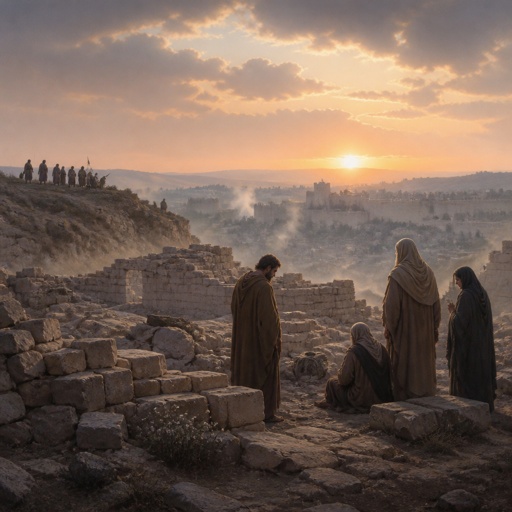
"Remember, O LORD, the children of Edom in the day of Jerusalem; who said, Rase it, rase it, even to the foundation thereof." - Psalms 137:7
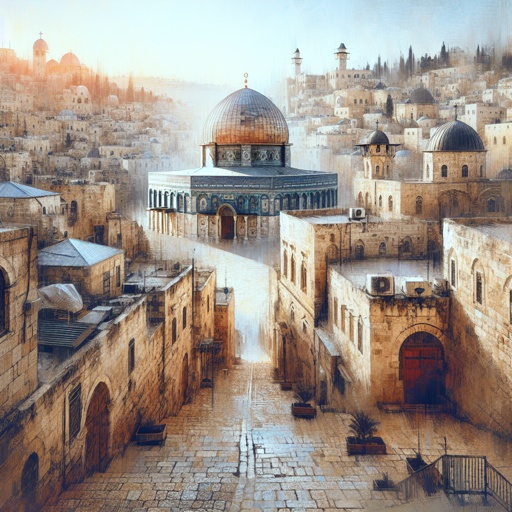
PSALMS 137;5 SHOWING THE OLD CITY OF JERUSALEM

PSALMS 137;5 SHOWING THE OLD CITY OF JERUSALEM

"Sing unto the LORD with the harp; with the harp, and the voice of a psalm." - Psalms 98:5

Psalms 98:5 - "Sing unto the LORD with the harp; with the harp, and the voice of a psalm."

Psalms 98:5 - "Sing unto the LORD with the harp; with the harp, and the voice of a psalm."

Psalms 98:5 - "Sing unto the LORD with the harp; with the harp, and the voice of a psalm."
Psalms 98:5 - "Sing unto the LORD with the harp; with the harp, and the voice of a psalm."

Psalms 98:5 - "Sing unto the LORD with the harp; with the harp, and the voice of a psalm."