In the Tents of Kedar: A Sojourner’s Cry
"Woe is me, that I sojourn in Mesech, that I dwell in the tents of Kedar!" - Psalms 120:5
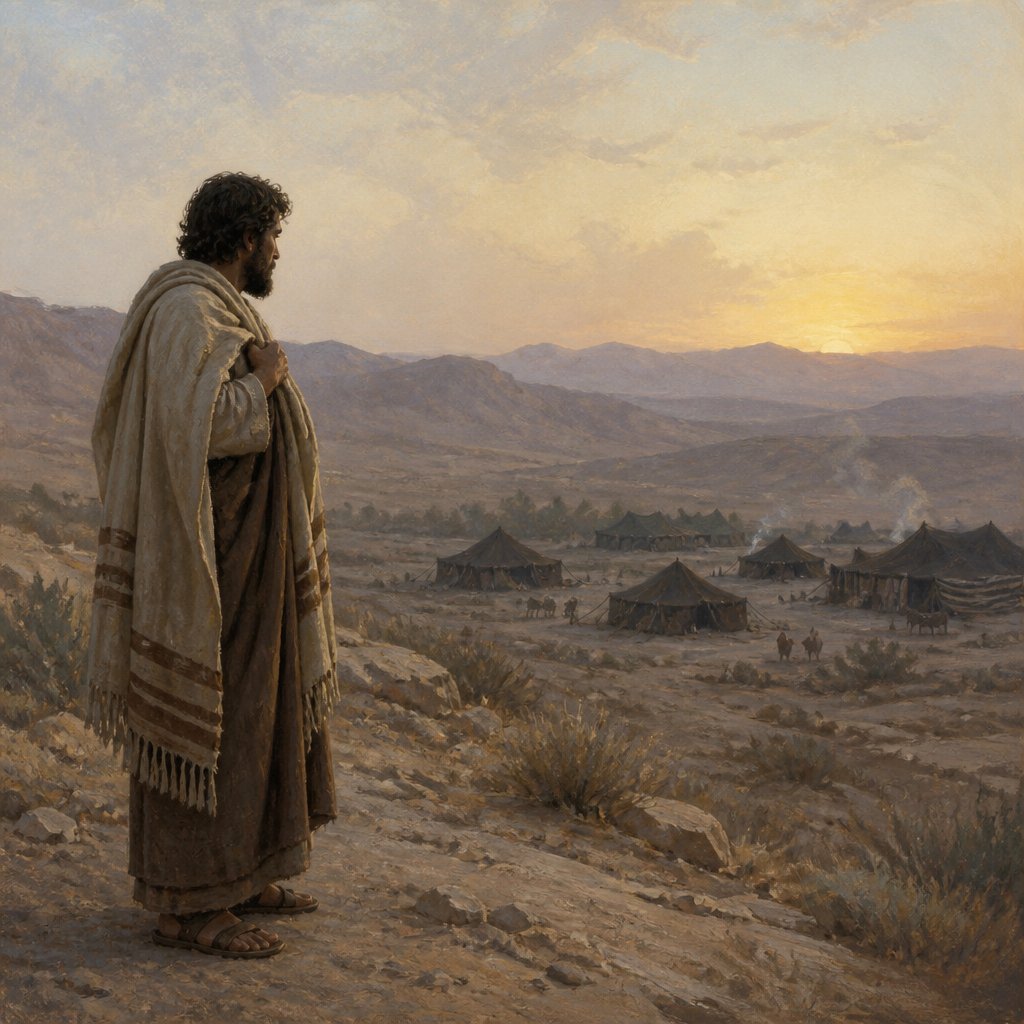
Psalm 120 is a poignant expression of anguish and longing, emerging from the depths of a heart burdened by the trials and tumult of this world. The psalmist’s lamentation in verse 5, "Woe is me, that I sojourn in Mesech, that I dwell in the tents of Kedar!" carries profound meaning for every believer who feels like a stranger in their own land, caught between earthly struggles and the hope that lies in God’s promise.
To understand the depth of this verse, we must first acknowledge the geographical and symbolic significance of Mesech and Kedar. Mesech referred to a people dwelling in the far northern regions—known for their barbarism and distant nature, while Kedar was associated with the nomadic tribes of Arabia, symbolizing a life filled with harshness and strife. The psalmist’s mention of these places is not just about physical location; it reflects a spiritual exile, suggesting a feeling of being lost among the wicked and separated from peace and safety.
The phrase "Woe is me" is a cry that resonates throughout the Scriptures; it captures a deep sorrow and a recognition of one’s miserable state. As believers, we often find ourselves echoing this sentiment, especially when surrounded by a culture that stands in stark opposition to the values of God’s Kingdom. The world can sometimes feel like Mesech and Kedar, populated by influences that pull us away from our heavenly home—a place of peace, righteousness, and joy.
In the face of such surroundings, the psalmist’s cry reminds us that our journey here is but a sojourn. To sojourn means to temporarily reside in a place that is not your own, suggesting that this world is not our ultimate home. In the New Testament, we read in Hebrews 13:14, "For here have we no continuing city, but we seek one to come." The tension of being in a place teeming with trials and temptations is a reality for all believers who strive to uphold their faith amidst adversity.
Moreover, the imagery of dwelling in tents signifies a transient lifestyle. Tents are not built to last; they are structures meant for a temporary essence. This can be a comforting reminder that our current struggles are not permanent. Just as the Israelites traveled through the wilderness encamped in tents before entering the Promised Land, so too are we moving forward to a greater destination, one where God’s promises will be fully realized.
In times of desperation and difficulty, it's vital to remember the reasons for our sojourning. The current conditions, the struggles in Mesech, and the harsh tents of Kedar serve to strengthen our character and deepen our faith. Romans 5:3-4 teaches us to rejoice in tribulations because they produce perseverance, character, and hope. Each day spent in the tension of this world shapes us into the image of Christ, nudging us closer to the sanctification process that the Holy Spirit undertakes within us.
Thus, when we find ourselves resonating with the psalmist’s lament, feeling the weight of spiritual exile, let us also embrace the hope that is found in our Savior. He is the One who promises to be with us in our struggles, offering refuge and strength (Psalm 46:1). As we navigate through the challenges of today, let's focus on our eternal inheritance, understanding that our true identity and citizenship lie with Christ in the Kingdom of Heaven.
In conclusion, let us not solely dwell on the woes of our circumstances but rather lift our eyes to the hills from whence our help comes from (Psalm 121:1). There is no hopelessness in our sojourning; instead, let us embrace the journey, allowing each moment of struggle to draw us nearer to our true home and deeper into the embrace of our Lord.
Want to reflect more on Psalms 120:5?
Continue your spiritual journey with Bible Chat — an AI-powered tool for exploring God's Word through conversation. Ask questions, discover connections, and deepen your understanding.
Get Our Apps


Psalms 120:5 Artwork

Psalms 120:5 - "Woe is me, that I sojourn in Mesech, that I dwell in the tents of Kedar!"
"Woe is me, that I sojourn in Mesech, that I dwell in the tents of Kedar!" - Psalms 120:5

Psalms 120:4 - "Sharp arrows of the mighty, with coals of juniper."

Psalms 120:7 - "I am for peace: but when I speak, they are for war."

Psalms 120:6 - "My soul hath long dwelt with him that hateth peace."
"My soul hath long dwelt with him that hateth peace." - Psalms 120:6

Psalms 120:1 - "In my distress I cried unto the LORD, and he heard me."

Psalms 120:2 - "Deliver my soul, O LORD, from lying lips, and from a deceitful tongue."
Psalms 119:120 - "My flesh trembleth for fear of thee; and I am afraid of thy judgments."
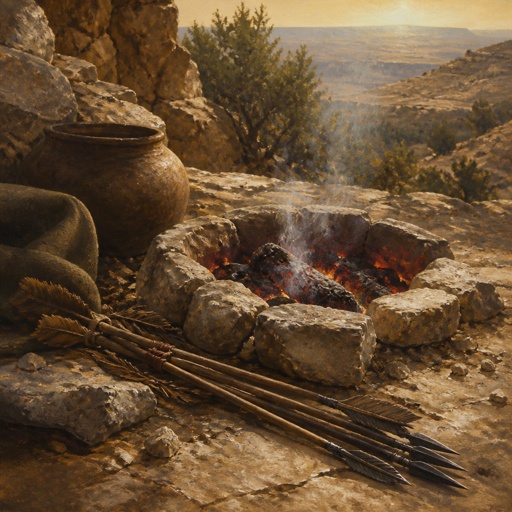
"Sharp arrows of the mighty, with coals of juniper." - Psalms 120:4

Psalms 120:3 - "What shall be given unto thee? or what shall be done unto thee, thou false tongue?"
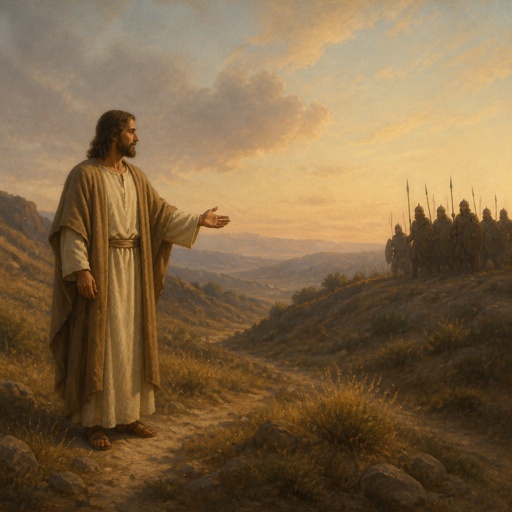
"I am for peace: but when I speak, they are for war." - Psalms 120:7
James 21:5-120
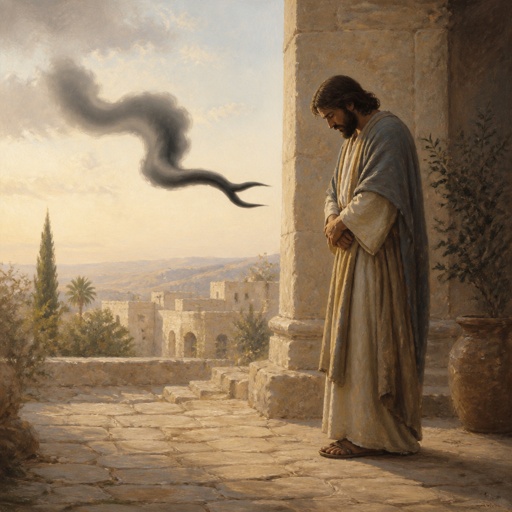
"What shall be given unto thee? or what shall be done unto thee, thou false tongue?" - Psalms 120:3
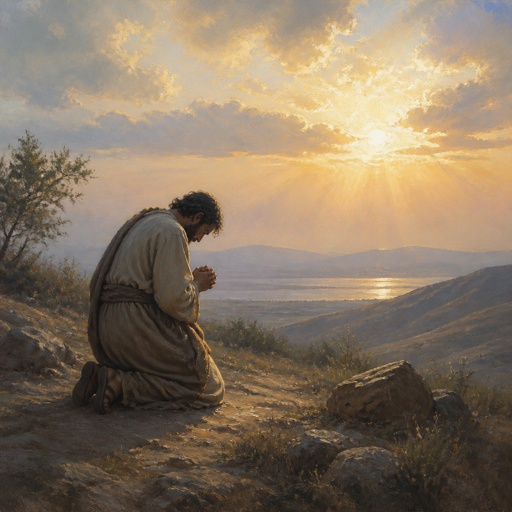
"In my distress I cried unto the LORD, and he heard me." - Psalms 120:1
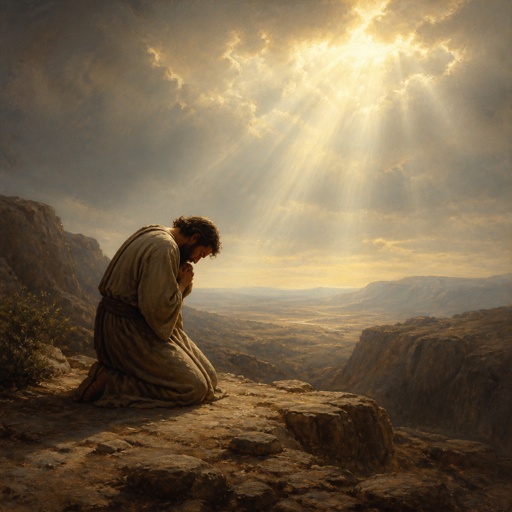
"My flesh trembleth for fear of thee; and I am afraid of thy judgments." - Psalms 119:120

Psalms 98:5 - "Sing unto the LORD with the harp; with the harp, and the voice of a psalm."
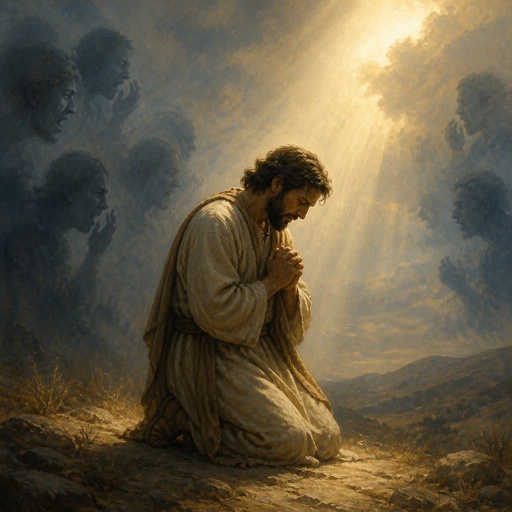
"Deliver my soul, O LORD, from lying lips, and from a deceitful tongue." - Psalms 120:2

"Sing unto the LORD with the harp; with the harp, and the voice of a psalm." - Psalms 98:5

Psalms 98:5 - "Sing unto the LORD with the harp; with the harp, and the voice of a psalm."

Psalms 98:5 - "Sing unto the LORD with the harp; with the harp, and the voice of a psalm."

Psalms 98:5 - "Sing unto the LORD with the harp; with the harp, and the voice of a psalm."

Psalms 98:5 - "Sing unto the LORD with the harp; with the harp, and the voice of a psalm."

Psalms 98:5 - "Sing unto the LORD with the harp; with the harp, and the voice of a psalm."

Psalms 98:5 - "Sing unto the LORD with the harp; with the harp, and the voice of a psalm." Light pastel colors

Psalms 17:5 - "Hold up my goings in thy paths, that my footsteps slip not."

Psalms 98:5 - "Sing unto the LORD with the harp; with the harp, and the voice of a psalm." Light pastel colors

Psalms 56:5 - "Every day they wrest my words: all their thoughts are against me for evil."

Psalms 148:5 - "Let them praise the name of the LORD: for he commanded, and they were created."

Psalms 29:5 - "The voice of the LORD breaketh the cedars; yea, the LORD breaketh the cedars of Lebanon."