Hope Anchored in His Word
"Remember the word unto thy servant, upon which thou hast caused me to hope." - Psalms 119:49
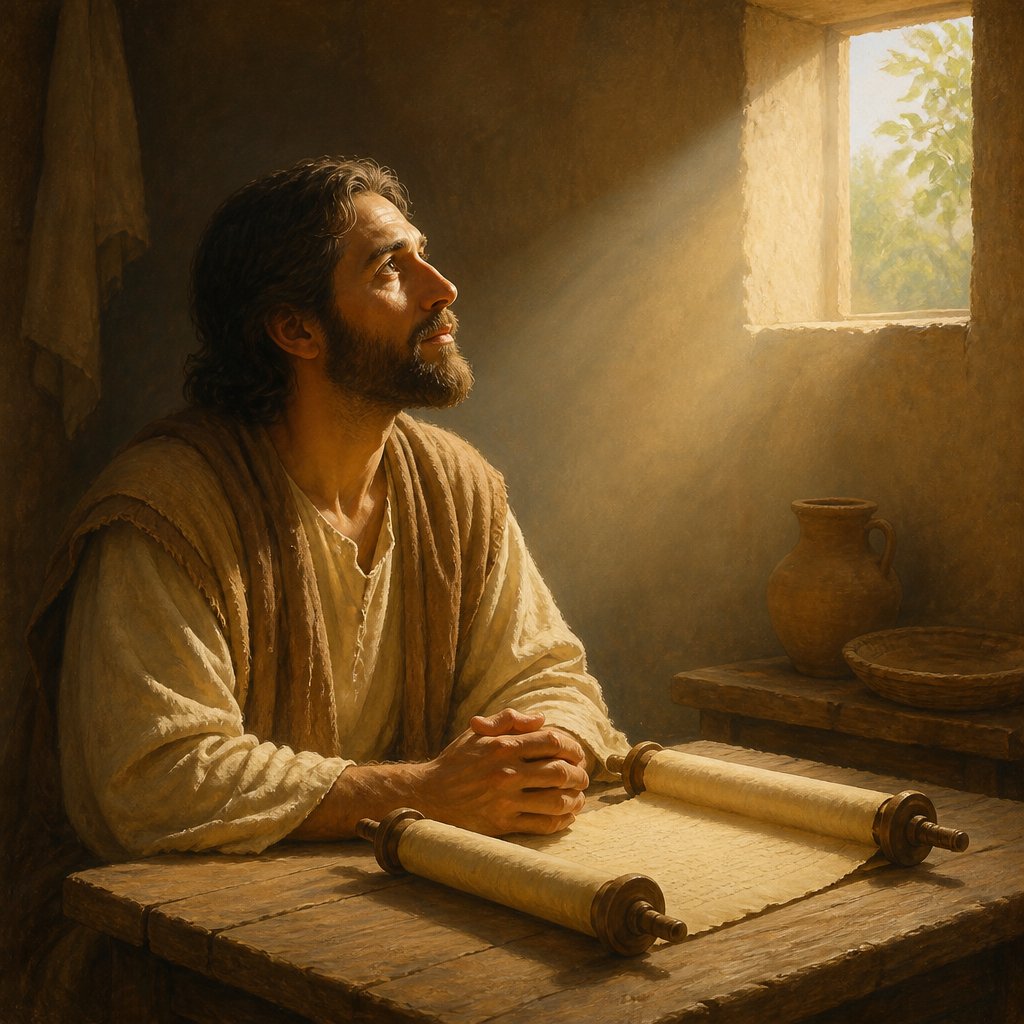
**Remember the word unto thy servant, upon which thou hast caused me to hope.**
— Psalms 119:49 (KJV)
In the midst of life’s turbulent waves, our hearts often search for an anchor—a steadfast promise to cling to when hope seems fleeting. The psalmist beautifully captures this longing in Psalm 119:49, uttering a plea to God to remember His promises, that blessed assurance upon which faith is built: "Remember the word unto thy servant, upon which thou hast caused me to hope."
As we dive deeper into this verse, we notice the heartfelt relationship between the servant and the Master. The psalmist refers to himself as God’s servant, acknowledging his position and dependence on divine authority. This title is not just a statement of identity; it signifies humility, submission, and dedication. In recognizing himself as a servant, the psalmist is also illustrating the beauty of being in God’s service—a service filled with hope, purpose, and assurance.
Consider the significance of the word "remember" in this context. What does it mean to ask God to remember His word? It implies that the psalmist is standing on the promises God has spoken, even through generations of faithful witnesses. When we cry out for God to remember, we’re inviting Him to take account of His eternal truths, to manifest His faithfulness that stretches beyond our circumstances. It is an acknowledgment that we find strength and solace within His spoken word—His promises that transcend time and space.
The phrase "unto thy servant" speaks volumes about the nature of our relationship with God. We are not strangers; we are intimately connected with our Creator. Each of us, identified by our walk with God, can draw from His word. The psalmist's appeal is personal yet universal, as each of us carries our individual struggles but can seek solace in God's promises. It reminds us of the collective history of God’s people who have also sought refuge and hope through His word.
Next, consider what it means to hope upon His word. In a world rife with uncertainty and despair, our hope can often feel as conditional as the promises made by other humans. However, Divine Promises are unlike any human pledge; they are irrevocable and backed by the nature of God Himself. "Thou hast caused me to hope" implies an action initiated by God—hope birthed out of His faithfulness and Truth. This hope is not wishful thinking; it's a confident expectation of what is to come, knowing that God has spoken and that His word does not return void (Isaiah 55:11).
The context of Psalm 119, as the longest chapter in the Bible, revolves around the grandeur, depth, and power of God’s law and testimony. Each verse enshrines the notion of delighting in God’s word, trusting its guidance, and understanding its life-giving power. The psalmist’s heartfelt plea in verse 49 is a reflection of the ongoing struggle between doubt and faith, despair and hope—something we can all relate to.
The call to remember His word is not just for God to act but also for us to engage actively in remembrance. When we meditate on God’s promises, we are reminded of His faithfulness in our past trials. We are prompted to recall the victories He has won on our behalf. Scripture is filled with instances where God has brought forth hope from situations deemed hopeless. It teaches us resilience, patience, and the unshakeable reality that God indeed has a plan for our lives.
As we navigate the uncertainties of life, let us take the psalmist’s plea to heart. Encourage yourself to bring God’s word to your mind in moments of doubt. Write down promises from the Bible; let them be your reminders of hope during trying times. Remember that God holds your future securely in His hands and that His word is an unchanging foundation.
May you always find your hope anchored in the promises of our faithful God, whose word never fails, just as He never forgets His servant.
Want to reflect more on Psalms 119:49?
Continue your spiritual journey with Bible Chat — an AI-powered tool for exploring God's Word through conversation. Ask questions, discover connections, and deepen your understanding.
Get Our Apps


Psalms 119:49 Artwork

Psalms 119:49 - "Remember the word unto thy servant, upon which thou hast caused me to hope."
"Remember the word unto thy servant, upon which thou hast caused me to hope." - Psalms 119:49

Psalms 49:8 - "(For the redemption of their soul is precious, and it ceaseth for ever:)"

Psalms 119:153 - "Consider mine affliction, and deliver me: for I do not forget thy law."

Psalms 119:174 - "I have longed for thy salvation, O LORD; and thy law is my delight."

Psalms 119:61 - "The bands of the wicked have robbed me: but I have not forgotten thy law."

Psalms 119:32 - "I will run the way of thy commandments, when thou shalt enlarge my heart."

"Both low and high, rich and poor, together." - Psalms 49:2

"Man that is in honour, and understandeth not, is like the beasts that perish." - Psalms 49:20

"For ever, O LORD, thy word is settled in heaven." - Psalms 119:89

Psalms 119:176 - "I have gone astray like a lost sheep; seek thy servant; for I do not forget thy commandments."

"Salvation is far from the wicked: for they seek not thy statutes." - Psalms 119:155

Psalms 119:119 - "Thou puttest away all the wicked of the earth like dross: therefore I love thy testimonies."

"I beheld the transgressors, and was grieved; because they kept not thy word." - Psalms 119:158

"Righteous art thou, O LORD, and upright are thy judgments." - Psalms 119:137

Psalms 119:3 - "They also do no iniquity: they walk in his ways."

Psalms 49:6 - "They that trust in their wealth, and boast themselves in the multitude of their riches;"

Psalms 49:20 - "Man that is in honour, and understandeth not, is like the beasts that perish."

Psalms 49:2 - "Both low and high, rich and poor, together."

"Thy testimonies that thou hast commanded are righteous and very faithful." - Psalms 119:138

"He shall go to the generation of his fathers; they shall never see light." - Psalms 49:19

Psalms 49:13 - "This their way is their folly: yet their posterity approve their sayings. Selah."

"Thou hast commanded us to keep thy precepts diligently." - Psalms 119:4

Psalms 119:24 - "Thy testimonies also are my delight and my counsellors."

Psalms 119:36 - "Incline my heart unto thy testimonies, and not to covetousness."

Psalms 119:70 - "Their heart is as fat as grease; but I delight in thy law."

Psalms 119:56 - "This I had, because I kept thy precepts."

Psalms 119:60 - "I made haste, and delayed not to keep thy commandments."

Psalms 119:45 - "And I will walk at liberty: for I seek thy precepts."

Psalms 49:9 - "That he should still live for ever, and not see corruption."