The Silent Servant: Understanding the Depths of Wisdom
"A servant will not be corrected by words: for though he understand he will not answer." - Proverbs 29:19
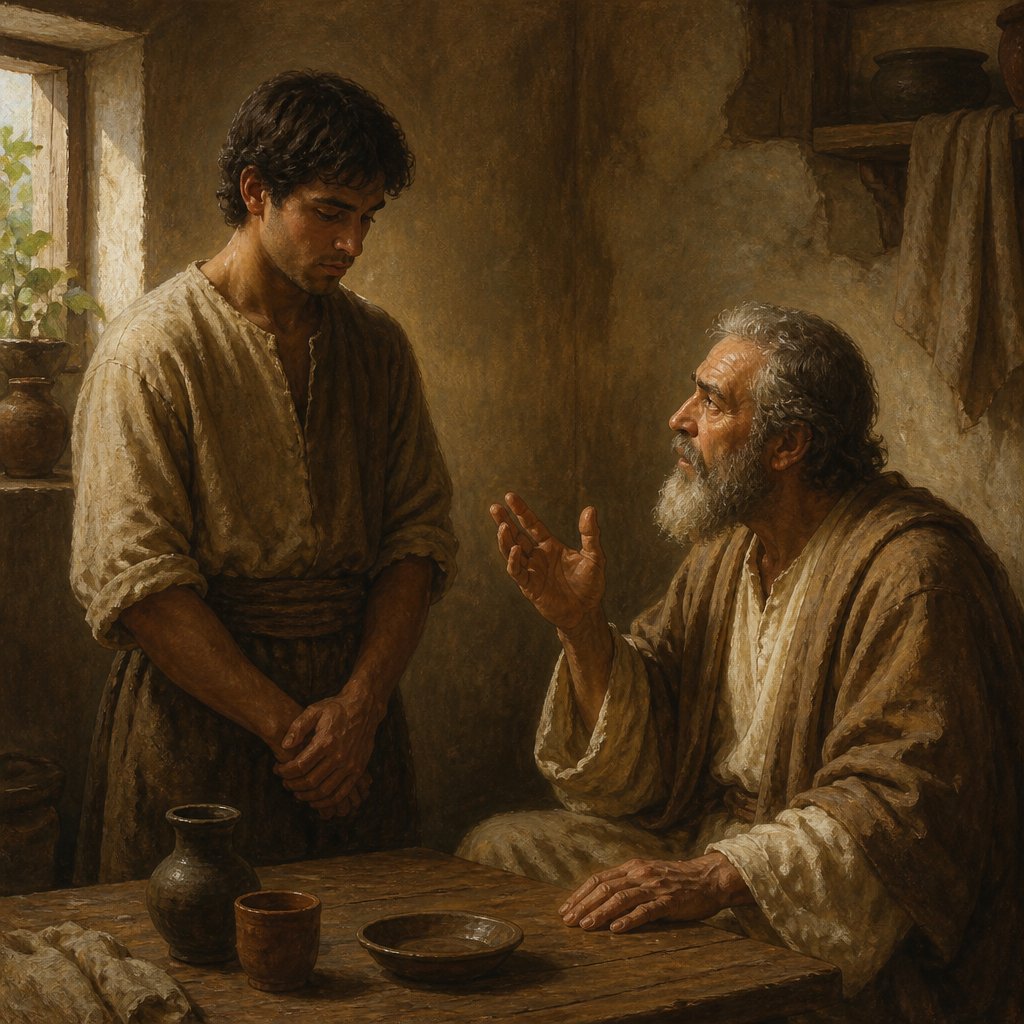
In the book of Proverbs, we encounter a vast reservoir of wisdom that offers us guidance and insight into the human condition. Proverbs 29:19 states, "A servant will not be corrected by words: for though he understand he will not answer." This verse presents a profound truth about human behavior, especially in the context of servitude, communication, and correction.
At first glance, this verse might seem to suggest that a servant, or one in a subordinate position, is impervious to verbal correction. However, upon deeper examination, we realize that this scripture is a reflection of the complexities involved in addressing issues of authority, understanding, and response. The King James Version wonderfully captures this sentiment, but what does it mean for us in our daily lives?
In ancient times, a servant held a specific role within a household, often reflecting social hierarchies and the value placed on obedience and respect. In modern terms, we might translate the role of the servant to employees, children, or those beneath us in a social or organizational structure. The highlighted phrase, "will not be corrected by words", suggests that mere words—though powerful—can sometimes fall flat when it comes to instilling true change in behavior or understanding.
This leads us to the heart of the matter: the nature of communication and the effectiveness of different correction methods. Words are not without value, yet they are often insufficient. How many times have we expressed our thoughts or corrections only to see the same behavior persist? The reality is that for correction to be truly effective, it must transcend beyond mere verbal admonishment. It requires relationship, understanding, and, at times, a transformative approach that engages the heart more than the mind.
Consider the dynamic between a servant and a master. If the servant understands the correction being offered yet chooses silence, it might not be a rejection of the message but rather an indication of their internal world. They may feel unheard, marginalized, or even devalued. Perhaps the servant has previously made an effort to communicate their struggles or perspectives but received little response. Therefore, they choose not to respond even when they understand the correction being imparted. This silence becomes a barrier to growth.
As we reflect on this, it becomes essential for us to examine our own communication patterns. In our relationships—whether they be in family, work, or friendship—how do we approach the corrections of others? Are we nurturing a space where understanding flows both ways, or are we unintentionally creating a culture of silence and retreat?
Furthermore, this verse urges us to consider our relationship with God. How often do we hear His corrective words but remain silent, choosing not to adjust our actions? We may understand His messages, yet responses or change may elude us due to pride, fear, or a sense of inadequacy. In such moments, God’s invitation to us is to engage actively, bringing our doubts and struggles to Him and allowing His words to penetrate our hearts deeply.
In our journey of faith, we also encounter opportunities to emulate the love of Christ in how we correct and guide others. Ephesians 4:15 urges us to speak the truth in love. It is a gentle reminder that the aim of correction should not merely be compliance but rather growth, understanding, and restoration. Through our genuine efforts to connect with others and nurture open dialogues, we pave the way for a culture of growth, not silence.
In conclusion, Proverbs 29:19 serves as a poignant reminder of the complexities of correction. Let it not discourage us, but rather challenge us to pursue deeper communication, fostering environments where understanding flourishes. Let us pray for the wisdom to engage honestly with others, for the humility to accept correction ourselves, and for the grace to respond not just with our words, but with the alignment of our hearts to God’s truths.
Want to reflect more on Proverbs 29:19?
Continue your spiritual journey with Bible Chat — an AI-powered tool for exploring God's Word through conversation. Ask questions, discover connections, and deepen your understanding.
Get Our Apps


Proverbs 29:19 Artwork

Proverbs 29:19 - "A servant will not be corrected by words: for though he understand he will not answer."
"A servant will not be corrected by words: for though he understand he will not answer." - Proverbs 29:19

Proverbs 19:29 - "Judgments are prepared for scorners, and stripes for the back of fools."

"Judgments are prepared for scorners, and stripes for the back of fools." - Proverbs 19:29

Genesis 19-29

Proverbs 1:29 - "For that they hated knowledge, and did not choose the fear of the LORD:"

Proverbs 29:10 - "The bloodthirsty hate the upright: but the just seek his soul."

Proverbs 29:12 - "If a ruler hearken to lies, all his servants are wicked."

Proverbs 29:7 - "The righteous considereth the cause of the poor: but the wicked regardeth not to know it."

Proverbs 19:8

Proverbs 19:8

Proverbs 29:5 - "A man that flattereth his neighbour spreadeth a net for his feet."

Proverbs 10:29 - "The way of the LORD is strength to the upright: but destruction shall be to the workers of iniquity."

Proverbs 29:4 - "The king by judgment establisheth the land: but he that receiveth gifts overthroweth it."

Proverbs 29:6 - "In the transgression of an evil man there is a snare: but the righteous doth sing and rejoice."

Proverbs 15:29 - "The LORD is far from the wicked: but he heareth the prayer of the righteous."

Proverbs 20:29 - "The glory of young men is their strength: and the beauty of old men is the gray head."

Proverbs 29:14 - "The king that faithfully judgeth the poor, his throne shall be established for ever."

Proverbs 30:29 - "There be three things which go well, yea, four are comely in going:"

Proverbs 29:16 - "When the wicked are multiplied, transgression increaseth: but the righteous shall see their fall."

Proverbs 29:13 - "The poor and the deceitful man meet together: the LORD lighteneth both their eyes."

Proverbs 29:27 - "An unjust man is an abomination to the just: and he that is upright in the way is abomination to the wicked."

Proverbs 31:29 - "Many daughters have done virtuously, but thou excellest them all."

Proverbs 29:22 - "An angry man stirreth up strife, and a furious man aboundeth in transgression."

Proverbs 29:18 - "Where there is no vision, the people perish: but he that keepeth the law, happy is he."

Proverbs 16:29 - "A violent man enticeth his neighbour, and leadeth him into the way that is not good."
Proverbs 3:29 - "Devise not evil against thy neighbour, seeing he dwelleth securely by thee."

Proverbs 29:26 - "Many seek the ruler's favour; but every man's judgment cometh from the LORD."

Proverbs 29:8 - "Scornful men bring a city into a snare: but wise men turn away wrath."

Proverbs 29:9 - "If a wise man contendeth with a foolish man, whether he rage or laugh, there is no rest."