Cultivating Abundance: The Fruits of Diligence vs. Vanity
"He that tilleth his land shall have plenty of bread: but he that followeth after vain persons shall have poverty enough." - Proverbs 28:19
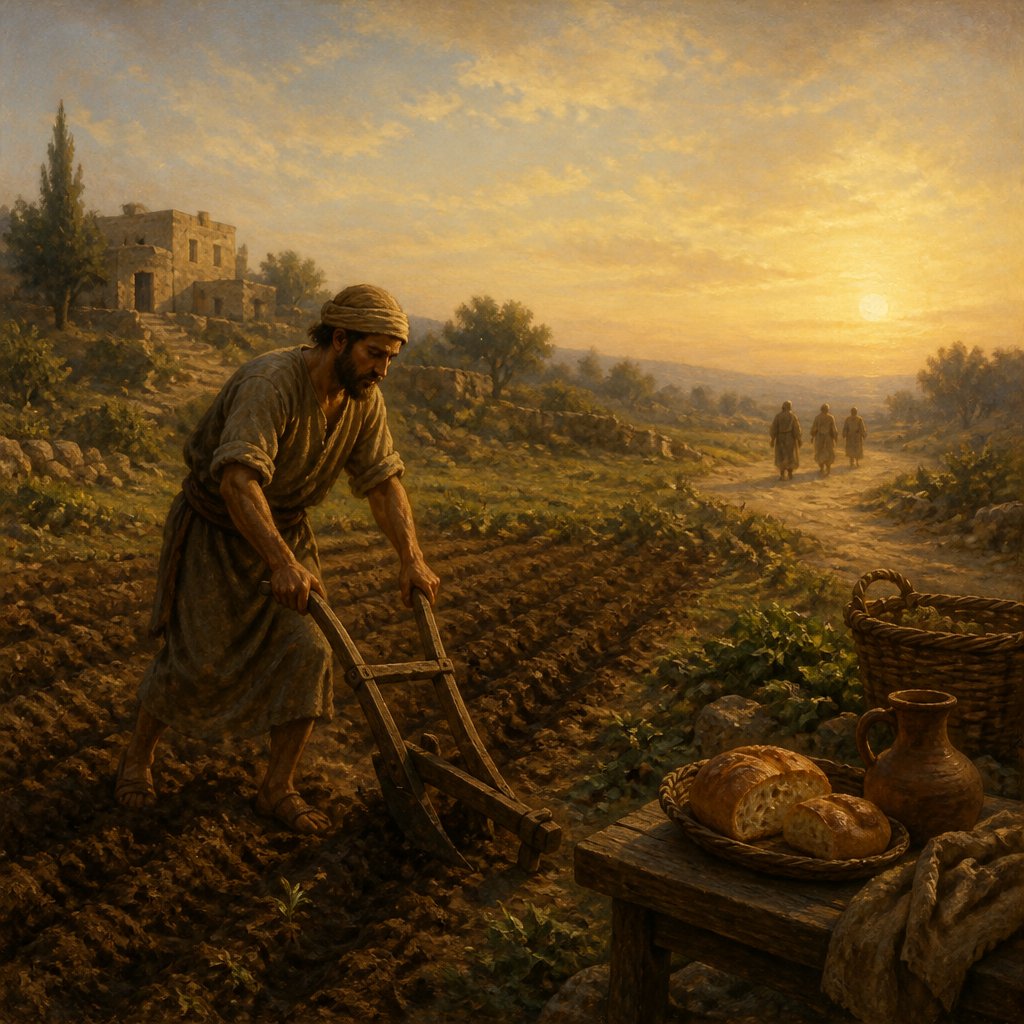
Proverbs 28:19 states, "He that tilleth his land shall have plenty of bread: but he that followeth after vain persons shall have poverty enough." This powerful verse encapsulates the age-old principle of diligence versus idleness and the rewards of hard work compared to the futility of chasing after empty pursuits.
In our fast-paced world, the temptation to seek instant gratification—often through the influence of social media, entertainment, and superficial connections—can easily divert our focus from productive endeavors. The first part of the verse speaks to those who "tilteth"—or cultivate—their land, a metaphor for diligent labor in all aspects of life. Just as a farmer prepares the soil, sows seeds, waters the plants, and protects the harvest, so too are we called to invest effort, time, and resources into our own lives and responsibilities.
The imagery of tilting the land represents more than just agricultural practices; it embodies endless possibilities in our spiritual, personal, and professional lives. To "tilt" our land involves setting goals, planning, and executing with commitment and resilience. It reminds us to nurture our talents, pursue education, develop relationships, and uphold moral and ethical values. The promise embedded in this action is profound: those who work diligently will reap plentiful blessings. In the context of this proverb, "plenty of bread" can symbolize not just material abundance but also emotional fulfillment, spiritual growth, and the richness of life that comes from laboring with purpose.
On the other hand, when one “followeth after vain persons,” the consequences are stark. The term 'vain' evokes a sense of superficiality, illusiveness, and unproductiveness. Pursuing relationships, ambitions, or lifestyles that are devoid of earnestness or substance leads to a landscape of emptiness characterized by unmet needs and unfulfilled desires. This is not just a warning against laziness but serves as an acute reminder of the company we keep—those whose lives lack the essence of purpose can just as quickly lead us into fruitlessness and despair.
In a spiritual context, who we follow and emulate matters immensely. The Scriptures caution us about associating with those who do not nurture our connections to God or those who entangle us in worldly pursuits. The avoidance of such relationships becomes crucial for cultivating a fruitful and substantive life—the kind that yields "plenty of bread."
This proverb encourages us to evaluate our investments. Are we committing time and energy to pursuits that align with God's kingdom, or are we easily distracted by the allure of fame, wealth, or popularity found among vain individuals? The truth is, meaningful relationships thrive on mutual growth, accountability, and a shared vision of abundance in Christ.
As we reflect on this verse, we are invited to take inventory of our lives and the land we are tilling.
- What dreams or projects require our attention?
- Are we placing our stakes in soil that yields lasting fruit or in the sands of vanity?
- Are our actions fueled by faith and purpose or are they empty, chasing whims dictated by modern culture?
In a world that often offers shortcuts to success—many of which lead to disappointment—this proverb serves as a powerful reminder of the value found in hard work rooted in heavenly principles.
Let us commit to tilling our lands earnestly, bearing the fruit of abundance that comes from God’s blessing. In our steadfast pursuit of godly endeavors, we will find that true riches lie not in the transient nature of vanity but in the fulfilling promise of a life well-lived, producing plenty of bread—not just for ourselves but also to share with others.
Ultimately, we are challenged to ask ourselves: What abundance are we cultivating today?
Want to reflect more on Proverbs 28:19?
Continue your spiritual journey with Bible Chat — an AI-powered tool for exploring God's Word through conversation. Ask questions, discover connections, and deepen your understanding.
Get Our Apps


Proverbs 28:19 Artwork
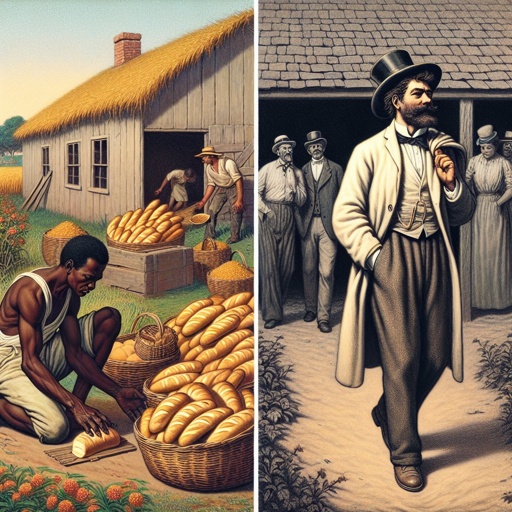
Proverbs 28:19 - "He that tilleth his land shall have plenty of bread: but he that followeth after vain persons shall have poverty enough."
"He that tilleth his land shall have plenty of bread: but he that followeth after vain persons shall have poverty enough." - Proverbs 28:19

Proverbs 19:28 - "An ungodly witness scorneth judgment: and the mouth of the wicked devoureth iniquity."
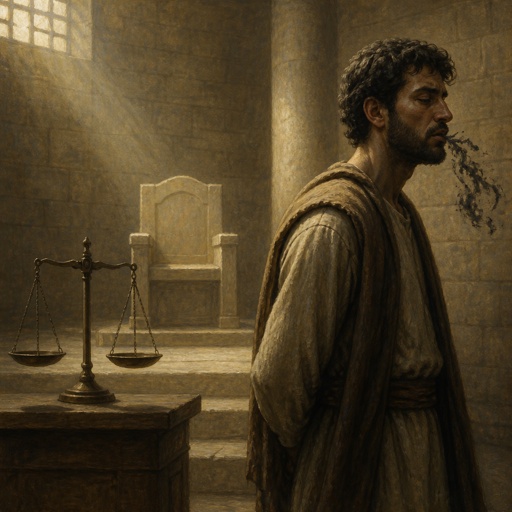
"An ungodly witness scorneth judgment: and the mouth of the wicked devoureth iniquity." - Proverbs 19:28

Proverbs:31:28

Proverbs 28:28 - "When the wicked rise, men hide themselves: but when they perish, the righteous increase."

Proverbs 17:27-28

Proverbs 17:27-28

Proverbs 17:27-28

Ezekiel 28:11-19

Ezekiel 28:11-19

Ezekiel 28:11-19

Ezekiel 28:11-19

Ezekiel 28:11-19

Ezekiel 28:11-19

matthew 28:19

Genesis 28-19

matthew 28:19

Genesis 19-28

Proverbs 12:28 - "In the way of righteousness is life; and in the pathway thereof there is no death."

Proverbs 19:8

Proverbs 19:8

Luke 19:28

Proverbs 30:28 - "The spider taketh hold with her hands, and is in kings' palaces."
![Proverbs 15:28 NIV
[28] The heart of the righteous weighs its answers, but the mouth of the wicked gushes evil.](https://media.bible.art/80457803-46a4-4285-9475-b391d797ab48-thumbnail.jpg)
Proverbs 15:28 NIV [28] The heart of the righteous weighs its answers, but the mouth of the wicked gushes evil.

Proverbs 21:28 - "A false witness shall perish: but the man that heareth speaketh constantly."

Proverbs 14:28 - "In the multitude of people is the king's honour: but in the want of people is the destruction of the prince."

Proverbs 28:4 - "They that forsake the law praise the wicked: but such as keep the law contend with them."

Proverbs 28:21 - "To have respect of persons is not good: for for a piece of bread that man will transgress."

Proverbs 28:1 - "The wicked flee when no man pursueth: but the righteous are bold as a lion."