The Flickering Flame: Understanding the Fate of the Wicked
"For there shall be no reward to the evil man; the candle of the wicked shall be put out." - Proverbs 24:20
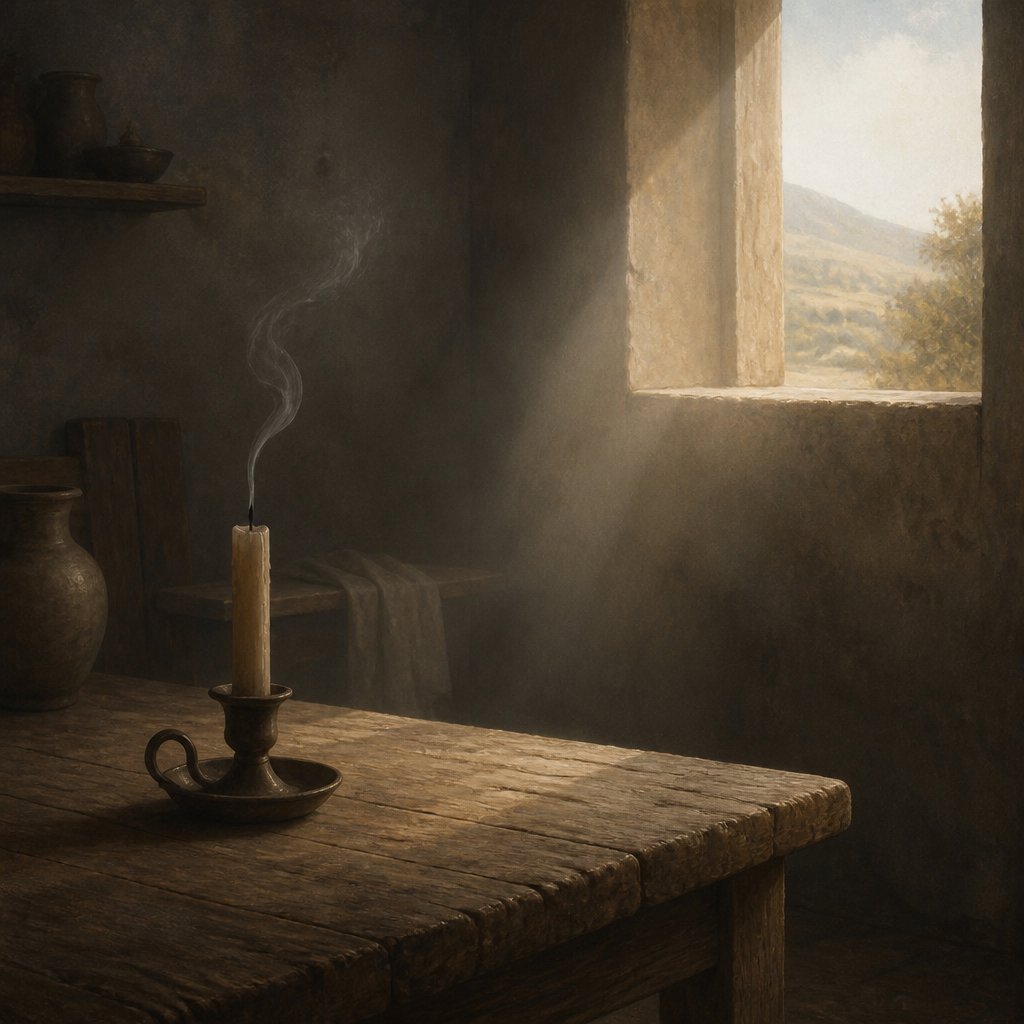
As we delve into Proverbs 24:20, we encounter a profound truth encapsulated in the words: "For there shall be no reward to the evil man; the candle of the wicked shall be put out." This verse invites us to reflect on the nature of evil, the futility of wickedness, and the ultimate justice that governs our lives.
In a world that often seems bent on rewarding those who act unjustly, it is easy to become discouraged. We witness the prosperity of the wicked, their deceit flourishing, and their actions going unchallenged. However, Proverbs is a wisdom book, rich in insights tailored to help us navigate the complexities of life. Here, King Solomon provides clarity and reassurance. The verse serves as a reminder that the apparent success of the evil man is temporary—a flicker of a flame that will inevitably be extinguished.
To fully appreciate the message of this verse, we must first define what is meant by the "evil man" and the "wicked." In biblical terms, evil is not purely about the absence of morality; it encompasses actions, thoughts, and intentions that are in opposition to God's commands and principles. The evil man refrains from seeking justice, operates in deceit, and places self-interest above love and compassion. Solomon’s warning highlights that such characters may seem to thrive for a time, leveraging their cunning for gains that are ultimately meaningless in the eyes of eternity.
The imagery of a candle is particularly striking in this context. A candle, while capable of producing light, is also vulnerable to winds and elements that can extinguish it in an instant. The "candle of the wicked" symbolizes the transient and fragile nature of their existence. The flame represents both their achievements and their very lives, which, much like the light, will eventually be snuffed out. This metaphor serves to illustrate that the wicked's time is limited and ultimately fruitless; the light they seem to emit is not divine and will not bring any lasting benefit to themselves or others.
The contrast here is clear: while the righteous may face struggles and disadvantages in this life, their reward is far greater in the kingdom to come. It is not merely their earthly achievements that matter, but their fidelity to God’s anchor of righteousness. This means that even when the world does not recognize their efforts, or when they suffer alongside the wicked, they can have confidence in the promises of eternal life, peace, and reward.
Moreover, this verse sheds light on the justice of God. The fate of the wicked may not be realized immediately, but it is assuredly coming. The assurance of divine justice can be a pillar for the righteous as they endure the injustices of life. God sees all and will hold each person accountable for their actions. The term "no reward" emphasizes the emptiness of wickedness; it will yield no fulfillment, no joy, and no lasting legacy. In a world that often seems unjust, this is our assurance in faith.
As believers, our response to this truth should be to cultivate a life that seeks after righteousness, continually turning away from all forms of evil. This passage encourages us—far from envy and desiring the fortunes of the wicked—to invest our lives in endeavors that reflect God’s glory. Let our lights shine brightly, as the righteous are compared to a city set on a hill, a beacon of hope and truth to a dark world.
Reflect on your life today. Are you clinging to any patterns of wickedness amidst the allure of worldly success? Reflect on the brevity of life and the inevitability of facing God’s judgment. May you find solace in the promise that evil holds no rewards, while our faithfulness and righteousness will be our lit candles, shining eternally in God’s promise.
Want to reflect more on Proverbs 24:20?
Continue your spiritual journey with Bible Chat — an AI-powered tool for exploring God's Word through conversation. Ask questions, discover connections, and deepen your understanding.
Get Our Apps


Proverbs 24:20 Artwork

Proverbs 24:20 - "For there shall be no reward to the evil man; the candle of the wicked shall be put out."
"For there shall be no reward to the evil man; the candle of the wicked shall be put out." - Proverbs 24:20

Proverbs 20:24 - "Man's goings are of the LORD; how can a man then understand his own way?"

PROVERBS 20:24 Man's goings are of the LORD; how can a man then understand his own way?
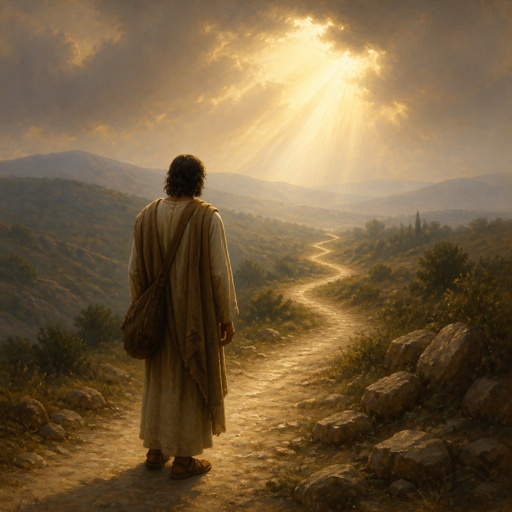
"Man's goings are of the LORD; how can a man then understand his own way?" - Proverbs 20:24

proverbs 1:20

proverbs 1:20

proverbs 1:20

proverbs 1:20

proverbs 1:20

proverbs 1:20

proverbs 1:20

proverbs 1:20

proverbs 1:20

proverbs 1:20

proverbs 1:20

proverbs 1:20

proverbs 1:20

proverbs 1:20

Proverbs 1:20

proverbs 1:20

proverbs 1:20

proverbs 1:20

proverbs 1:20

proverbs 1:20

proverbs 1:20

proverbs 1:20

proverbs 1:20

proverbs 1:20

proverbs 1:20