The Heart of Compassion: Understanding Proverbs 17:5
"Whoso mocketh the poor reproacheth his Maker: and he that is glad at calamities shall not be unpunished." - Proverbs 17:5
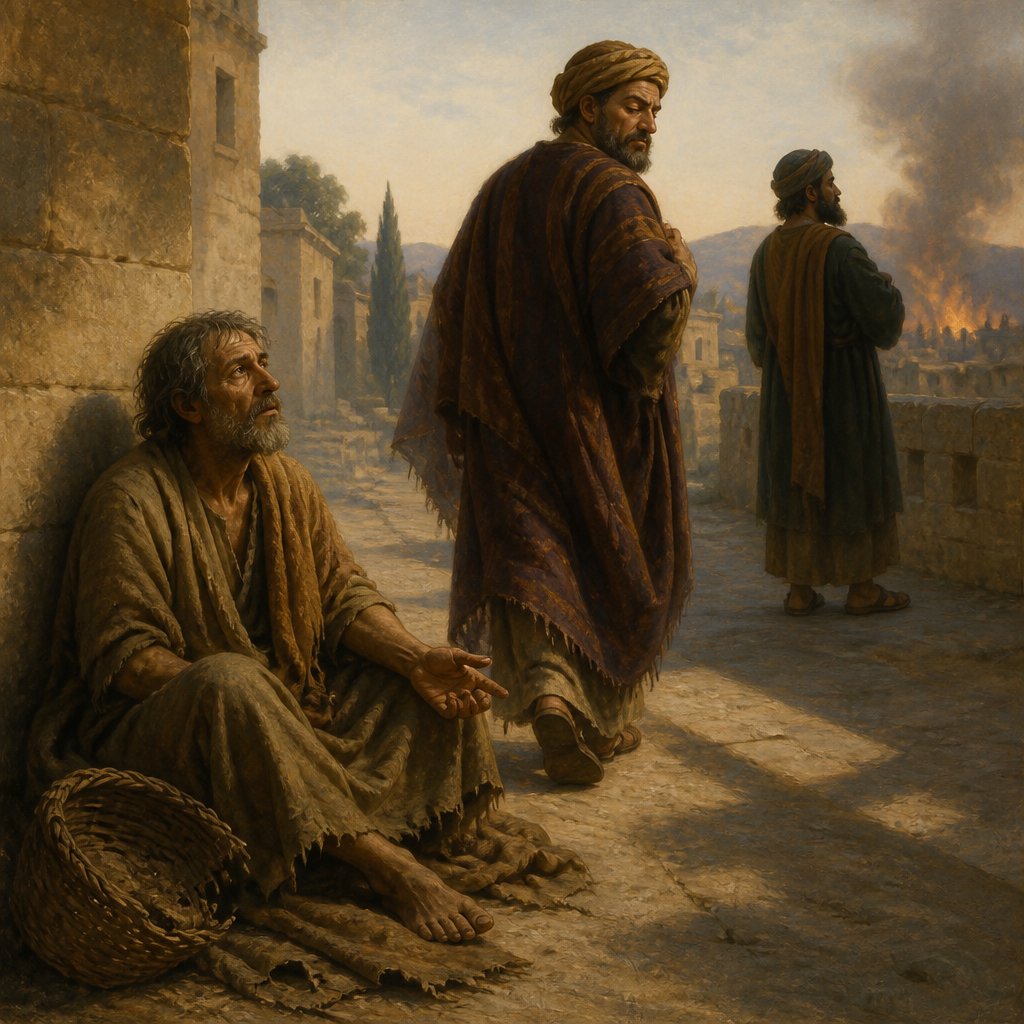
Proverbs 17:5 reads, "Whoso mocketh the poor reproacheth his Maker: and he that is glad at calamities shall not be unpunished." This verse invites us to reflect deeply on how we view and treat those who are less fortunate, as well as the attitudes we hold in times of distress. In doing so, we uncover the profound implications of mockery, compassion, and justice, which resonate throughout both scripture and our daily lives.
To mock the poor is to disregard the dignity that God imbued in every human life. When we encounter someone in a difficult financial situation or enduring hardship, it is all too easy to fall into the trap of judgment or scorn. This verse reminds us that this attitude is not only socially reprehensible, but it is also a direct affront to our Creator. By mocking those who struggle, we are, in essence, scorning the very One who created them in His image. God calls us to recognize the intrinsic value in everyone—regardless of their social or economic status.
The passage evokes a vital concept: we are made in the image of God, and thus every interaction with our fellow man reflects our relationship with Him. When we belittle the poor or take delight in their misfortunes, we weaken that connection. Instead of demonstrating grace, mercy, and love, we foster an environment of contempt and division. It is crucial for us to cultivate an awareness of our attitudes and the language we use. Words have power, and our careless remarks can erode the spirit of those who are already suffering.
Moreover, God identifies Himself with the plight of the poor throughout scripture. In Proverbs and the wider biblical narrative, the consistent exhortation is to care for the needy, extend generosity, and act with justice. Jesus amplified this understanding in His teachings, straightforwardly stating that whatever we do to the least of our brethren, we do unto Him (Matthew 25:40). This adds a layer of gravity to our actions, reminding us that we should treat others in a way that reflects our reverence for God.
The latter part of Proverbs 17:5, "he that is glad at calamities shall not be unpunished," also compels us to examine our hearts. The joy derived from witnessing another's misfortune is a blatant manifestation of pride and lack of empathy. It is not only unkind but also morally indefensible. Scripture presents a consistent theme that those who take pleasure in evil will ultimately face consequences. This principle, while sobering, serves as a deterrent for us to foster attitudes of compassion rather than cruelty.
We ourselves have faced moments of calamity or have felt inadequate at times. Let us not forget that every human experience is connected, as we each navigate struggles, failures, and hardships. In those moments, we long for understanding, kindness, and encouragement. If we desire grace to be extended to us in our lows, we must similarly extend it to others.
As we engage with the poor, the downtrodden, or those suffering misfortune, let us ask ourselves how we can be vessels of God's love and compassion. We can offer a helping hand, a listening ear, or a word of encouragement rather than mockery or judgment. Implementing concrete actions driven by empathy is key—a meal for a neighbor in need, assistance to those facing financial difficulties, or advocacy for social justice can transform our communities.
In conclusion, Proverbs 17:5 serves as a mirror reflecting our attitudes toward others, especially the marginalized. Let us strive to approach all interactions with the heart of Christ, honoring our Maker by treating others with dignity and love. As we do, we not only bless those around us but grow in our relationship with God, who cares profoundly for the plight of every soul.
Want to reflect more on Proverbs 17:5?
Continue your spiritual journey with Bible Chat — an AI-powered tool for exploring God's Word through conversation. Ask questions, discover connections, and deepen your understanding.
Get Our Apps


Proverbs 17:5 Artwork

Proverbs 17:5 - "Whoso mocketh the poor reproacheth his Maker: and he that is glad at calamities shall not be unpunished."
"Whoso mocketh the poor reproacheth his Maker: and he that is glad at calamities shall not be unpunished." - Proverbs 17:5

Proverbs 5:17 - "Let them be only thine own, and not strangers' with thee."

"Let them be only thine own, and not strangers' with thee." - Proverbs 5:17

Proverbs 17:17 - "A friend loveth at all times, and a brother is born for adversity."

Proverbs 17:6

Proverbs 27:17

Proverbs 27:17

Proverbs 1:5

Proverbs 17:27-28

Proverbs 17:27-28

Proverbs 17:27-28

Proverbs 1:5

Proverbs 1:5

Proverbs 1:5

Proverbs 1:5

Proverbs 1:5

Proverbs 4:17 - "For they eat the bread of wickedness, and drink the wine of violence."

Proverbs 1:5

Proverbs 1:5

Proverbs 1:5

Proverbs 1:5

Proverbs 1:5

proverbs 5:12

proverbs 5:11

Proverbs 12:5

Proverbs 1:5

proverbs 5:12

"A friend loveth at all times, and a brother is born for adversity." - Proverbs 17:17

Proverbs 1:17 - "Surely in vain the net is spread in the sight of any bird."