Cultivating the Land of Our Lives
"He that tilleth his land shall be satisfied with bread: but he that followeth vain persons is void of understanding." - Proverbs 12:11
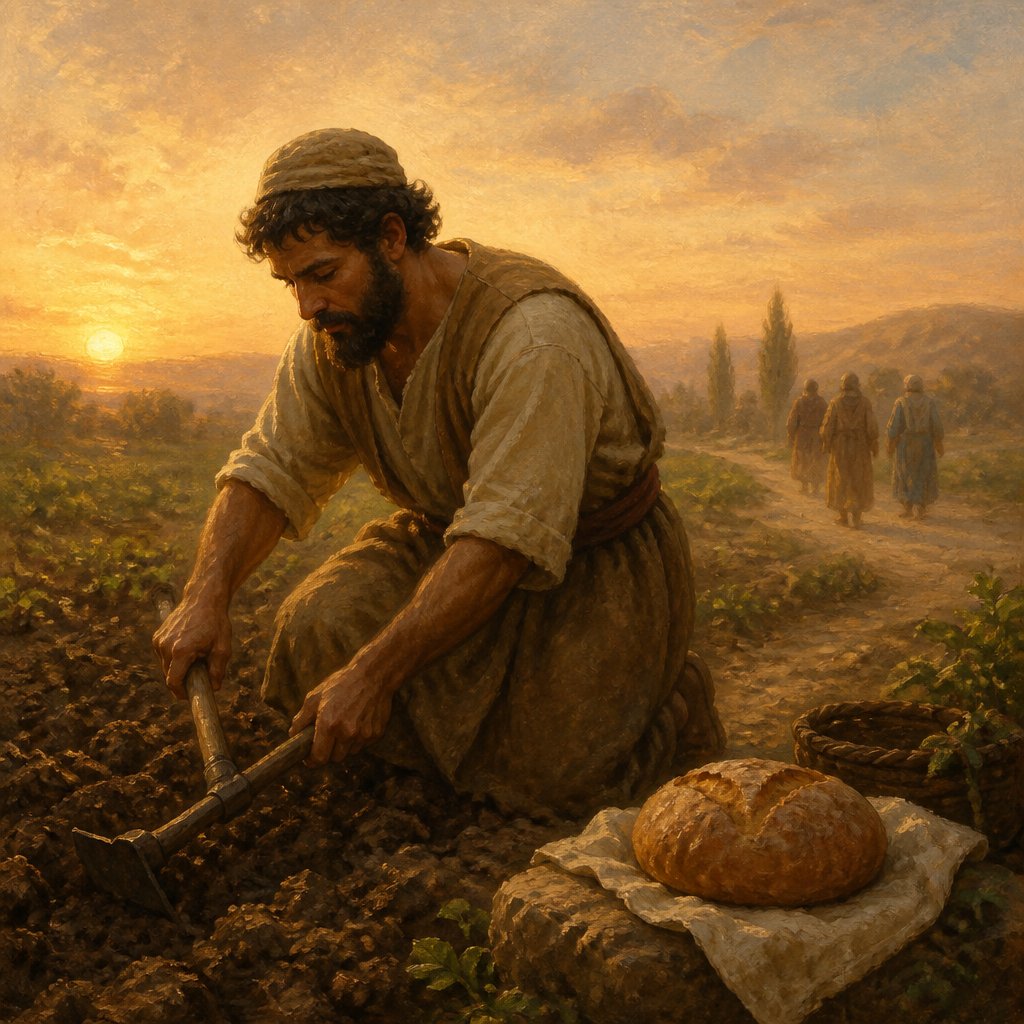
Proverbs 12:11 reads: "He that tilleth his land shall be satisfied with bread: but he that followeth vain persons is void of understanding." This verse serves as a profound reminder of the fruits of hard work and the perils of misguided associations. It encourages us not only to put effort into our own 'land'—a metaphor for our lives, ambitions, and responsibilities—but also cautions us to be mindful of the company we keep.
To "tilleth his land" implies a deep engagement in the tasks at hand—the diligent cultivation of what we have been entrusted with. In the ancient world, farming was not merely a job; it was a way of life that provided sustenance and nurtured communities. The act of tilling is not a one-off task but a continuous process of preparation, planting, nurturing, and harvesting. It reminds us of the necessity for consistency and perseverance in our endeavors. As Christians, our 'land' may represent our families, careers, relationships, spiritual practices, or even our own personal growth. Each requires careful tending and an investment of effort to yield a fruitful harvest.
The promise that we will be "satisfied with bread" speaks to the results of our diligence. When we dedicate ourselves to our responsibilities and invest time and energy, we will find satisfaction—not just in the physical, but in emotional, spiritual, and mental sustenance as well. The bread that fills our tables can be interpreted as the rewards of our labor: the joy of seeing our families thrive, the achievement of our goals, or the fulfillment that comes with spiritual maturity and a deepening relationship with God. In a world full of distractions and immediate gratifications, this wisdom reminds us of the long-term benefits that arise from persistent effort and patience.
On the flip side, the verse warns against "following vain persons," highlighting the importance of the company we keep. Vain persons can be described as those who pursue empty ambitions, frivolous endeavors, or engage in superficial relationships. It serves as a stark declaration of the outcomes one may face by aligning oneself with individuals who lack substance. The phrase "void of understanding" indicates not only a lack of wisdom but also points to a spiritual deficiency—a missing aspect of discernment that comes when we invest in the wrong kinds of relationships.
Importantly, aligning ourselves with vain individuals can detract us from our true purpose. The pursuit of empty things can lead us down pathways that result in waste—of resources, time, and ultimately, our peace. We may find ourselves caught in cycles that yield chaos rather than the order associated with diligent labor. Furthermore, these vain companions can introduce negativity and doubt, leading us away from our commitment to cultivating our land.
As we reflect on this verse, we are prompted to consider our 'fields' and who we share our journeys with. Are we putting in the work required to tend our lands? Are we surrounding ourselves with people who inspire hard work, integrity, and growth? The wisdom in this proverb reminds us to make conscious choices—putting effort into worthwhile pursuits and fostering relationships that contribute positively to our lives.
In conclusion, let us embrace the call to cultivate diligently. Let us be satisfied with the bread that comes from our honest labor and be discerning in our relationships, choosing wisely those whom we allow to influence our path. In doing so, we not only honor our own lives but honor the God who has entrusted us with such resources as our time and relationships. May we labor well and cultivate lives that reflect God's goodness and grace.
Want to reflect more on Proverbs 12:11?
Continue your spiritual journey with Bible Chat — an AI-powered tool for exploring God's Word through conversation. Ask questions, discover connections, and deepen your understanding.
Get Our Apps


Proverbs 12:11 Artwork

Proverbs 12:11 - "He that tilleth his land shall be satisfied with bread: but he that followeth vain persons is void of understanding."
"He that tilleth his land shall be satisfied with bread: but he that followeth vain persons is void of understanding." - Proverbs 12:11

proverbs 5:11-12

proverbs 5:11-12

Proverbs 11:12 - "He that is void of wisdom despiseth his neighbour: but a man of understanding holdeth his peace."

Proverbs 3:11-12 - "My son, do not despise the LORD's discipline, and do not resent his rebuke, because the LORD disciplines those he loves, as a father the son he delights in."
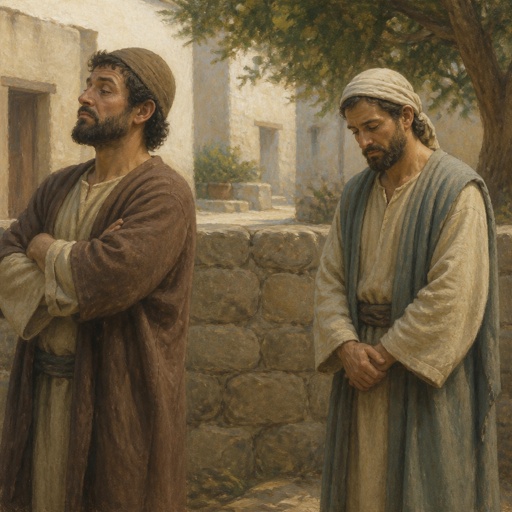
"He that is void of wisdom despiseth his neighbour: but a man of understanding holdeth his peace." - Proverbs 11:12

Proverbs 11:11 - "By the blessing of the upright the city is exalted: but it is overthrown by the mouth of the wicked."

John 1:1-2

John 1:1-2

John 1:1-2

John 1:1-2

John 1:1-2

Proverbs 11:2

proverbs 5:11

Proverbs 11:2

Proverbs 11:2

proverbs 5:12

proverbs 5:12

Proverbs 12:5

Proverbs 11:7

Proverbs 11:2

Proverbs 11:2

Proverbs 11:2

Proverbs 11:2

Proverbs 12:12 - "The wicked desireth the net of evil men: but the root of the righteous yieldeth fruit."

Proverbs 12:5 - "The thoughts of the righteous are right: but the counsels of the wicked are deceit."

Proverbs 12:7 - "The wicked are overthrown, and are not: but the house of the righteous shall stand."

Proverbs 12:28 - "In the way of righteousness is life; and in the pathway thereof there is no death."

Proverbs 30:11 - "There is a generation that curseth their father, and doth not bless their mother."