The Abundance of God's Fruit
"Not because I desire a gift: but I desire fruit that may abound to your account." - Philippians 4:17
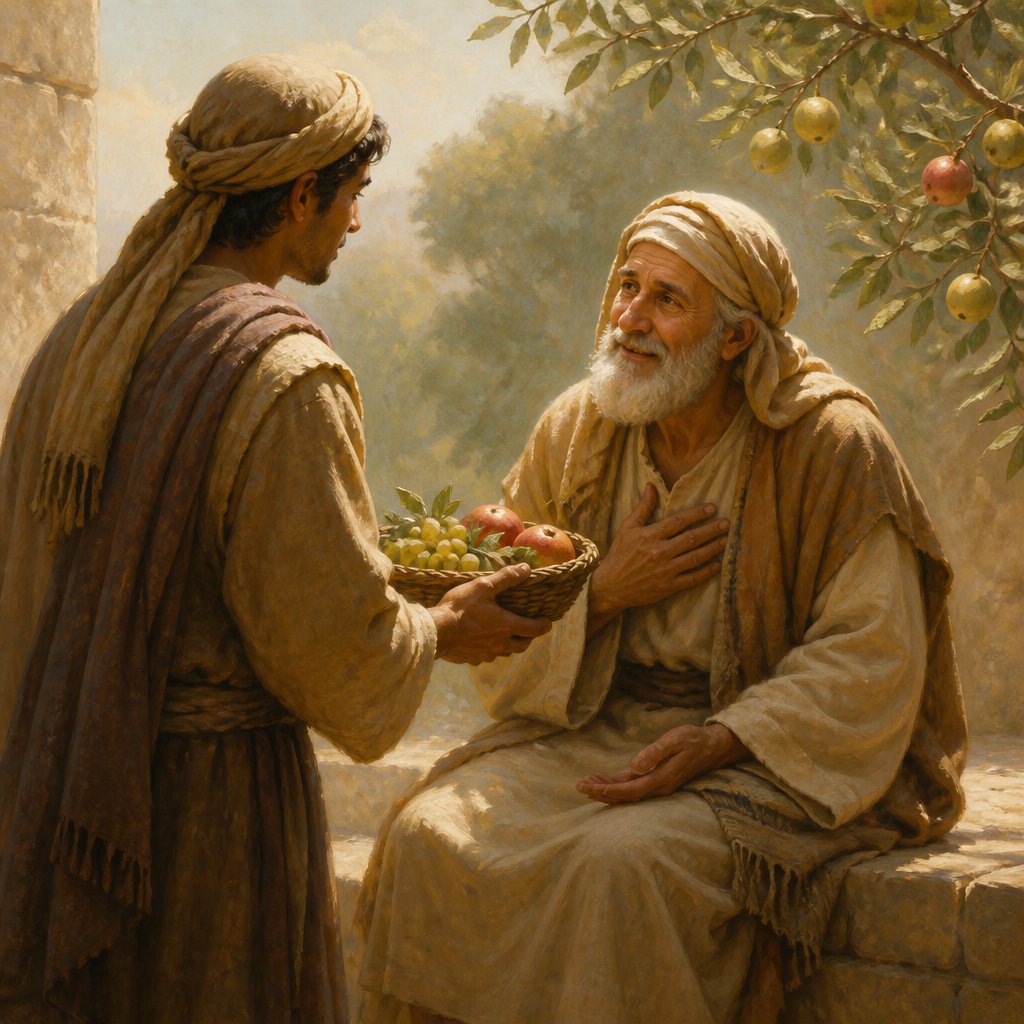
As we delve into Philippians 4:17, we encounter a profound statement from the Apostle Paul: "Not because I desire a gift: but I desire fruit that may abound to your account." This verse offers a unique insight into Paul's heart and his intentions concerning giving, receiving, and spiritual abundance.
Paul’s words remind us that the essence of giving goes beyond mere material gifts or financial support. In this letter to the Philippians, Paul writes from a place of gratitude, acknowledging their faithful partnership in the Gospel. The church in Philippi had sent him a gift while he was imprisoned, an act indicative not only of financial support but of deep spiritual solidarity. However, Paul clarifies his desire: though he appreciates their generosity, his ultimate longing is for the spiritual fruit that such giving can yield.
In a world that often measures success by tangible possessions or bank accounts, Paul redirects our focus to the concept of spiritual fruitfulness. The term “fruit” in the biblical context often refers to the outcomes of one’s obedience and actions in Christ. It encompasses the characteristics of a Spirit-filled life—love, joy, peace, patience, kindness, goodness, faithfulness, gentleness, and self-control (Galatians 5:22-23). Paul’s desire, therefore, is not for gifts that enrich him but for the growth in faith and character that those gifts inspire in the giver.
To understand the depth of Paul’s statement, we must appreciate that he views his relationship with the Philippians not just as benefactor and beneficiary but as co-laborers in the Kingdom of God. When they give, they are participating in a divine economy where each act of generosity leads to multiplication of blessings—not just for Paul but for themselves as well. Paul envisions a heavenly ledger where the investments of the Philippians compile an account that yields eternal dividends. This idea reminds us that our acts of kindness, generosity, and support, when rooted in love and faith, contribute to a spiritual legacy that outlives our temporal existence.
From this perspective, how do we, as contemporary believers, interpret Paul’s desire in our own lives? Are we cultivating a mindset that prioritizes spiritual fruit over earthly treasures? In our acts of giving—whether through financial means, time, or talent—are we seeking to produce fruit that others can enjoy? Are we looking to contribute to a harvest that brings glory back to God? These questions challenge us to reflect on the motivations behind our actions.
In today’s society, we often contend with a mentality driven by what it means to receive. However, Paul highlights that the true blessing lies not in how much we acquire but in how much we share. He desires that every act of generosity becomes an opportunity for growth in faith. When we give, let it not be merely transactional but transformational.
Furthermore, let us meditate on the implications of this fruitfulness in our communities. When we engage in acts of kindness, when we serve those in need, when we offer support and encouragement to our fellow believers, we are not only contributing to their individual growth but also creating a culture of spiritual abundance within the body of Christ. Each act of love, no matter how small, adds to our collective account before God, growing his Kingdom through our obedience.
In conclusion, let us embrace Paul’s wisdom. Our gifts—whether they be material, spiritual, or emotional—should aim not for temporary accolades but for the eternal fruit that will abound to our account. As we cultivate a spirit of giving, let us do so with the understanding that we are sowing seeds for a greater harvest. In doing so, we not only bless others but also find ourselves blessed in the process, participating fully in the richness of God’s grace.
Want to reflect more on Philippians 4:17?
Continue your spiritual journey with Bible Chat — an AI-powered tool for exploring God's Word through conversation. Ask questions, discover connections, and deepen your understanding.
Get Our Apps


Philippians 4:17 Artwork

Philippians 4:17 - "Not because I desire a gift: but I desire fruit that may abound to your account."
"Not because I desire a gift: but I desire fruit that may abound to your account." - Philippians 4:17

philippians 4:4

philippians 4:4

philippians 4:4

Philippians 4:4

Philippians 4:13

Philippians 3:17-19

Philippians 3:17-19

Philippians 4:4-7

Philippians 4:13

philippians 4:7

Philippians 4:13

Philippians 4:13

Philippians 4:6

Philippians 4:1

Philippians 4:13

Philippians 4:4 - "Rejoice in the Lord alway: and again I say, Rejoice."

Philippians 4:1

Philippians 4:1

Philippians 4:13

Philippians 4:19

Philippians 4:6

Philippians 4:6

Philippians 4:19

Philippians 4:13

Philippians 4:1

Philippians 4:8

philippians 4:7

Philippians 1:17 - "But the other of love, knowing that I am set for the defence of the gospel."