The Power of Gratitude: A Reflection on Philemon 1:4
"I thank my God, making mention of thee always in my prayers," - Philemon 1:4
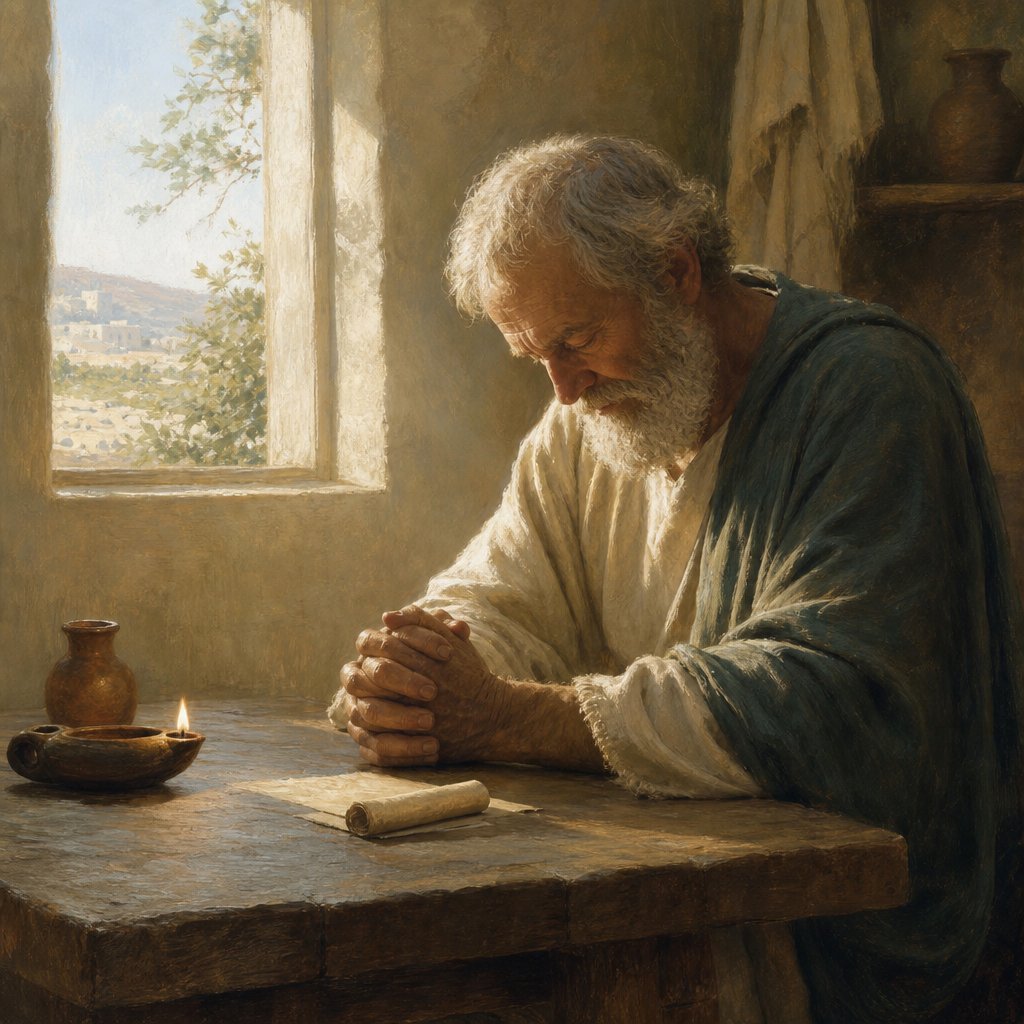
In the book of Philemon, we find a heartfelt letter from the Apostle Paul to Philemon, a fellow believer and leader in the church. The letter begins with a simple yet profound statement: "I thank my God, making mention of thee always in my prayers" (Philemon 1:4, KJV). This verse encapsulates the essence of gratitude and intercession, reminding us of the importance of acknowledging others in our spiritual journeys.
Paul's expression of gratitude is not a mere formality; it is an authentic reflection of his relationship with Philemon. The phrase "I thank my God" indicates that Paul is not simply expressing appreciation but is fully aware that every good gift, including the gift of friendship and community, comes from God. This underscores the biblical principle that gratitude is foundational to our faith. It aligns our hearts with God’s grace and goodness. As we start each day with gratitude, we open ourselves to a deeper relationship with our Creator.
Moreover, Paul emphasizes the continual nature of this gratitude by stating that he makes mention of Philemon "always in my prayers." The discipline of prayer is crucial in nurturing our relationships with one another. Paul teaches us that prayer is not only a means of communicating with God but also a powerful tool for cultivating connections within the Body of Christ. By praying for others, we express love and concern for them, fostering unity and support. In a world often filled with division and strife, the act of prayer serves as a bridge that connects believers through shared concerns and hopes.
It is interesting to note that Paul does not thank God for what Philemon has done but for who he is—a beloved brother and fellow worker. This insight challenges us to appreciate individuals beyond their actions or contributions. How often do we limit our gratitude to what has been done for us? Paul models a broader view, urging us to recognize the intrinsic value of our brothers and sisters in Christ. Each person is created in God’s image and carries inherent worth. By focusing on who they are, we foster deeper, more authentic relationships.
In our modern society, where distractions abound and personal agendas often take precedence, it is vital to cultivate an attitude of gratitude and prayer. We must ask ourselves: How often do we take the time to thank God for the people around us? How frequently do we lift our family, friends, and community in prayer? The practice of expressing gratitude and intercession can transform our interactions. It leads us to build not just acquaintances but genuine relationships rooted in love and mutual respect.
Furthermore, let us remember that Paul wrote this letter while he was imprisoned, illustrating that gratitude and prayer can flourish even in the most challenging circumstances. His ability to recognize and affirm the contributions of others serves as a reminder for us to maintain a perspective of thankfulness regardless of our situations. Are we able to thank God and pray for others when we’re facing difficulties? Paul’s life is an example of seeing beyond personal hardships to the greater work God is doing in the lives of those around us.
In conclusion, Philemon 1:4 invites us to reflect on the importance of gratitude in our lives and relationships. As we thank God for others and keep them in our prayers, we not only bless them but also enrich our own spiritual lives. We become conduits of God’s love, grace, and encouragement in a world that desperately needs it. May we, like Paul, commit to making mention of our brothers and sisters in Christ always in our prayers, and let our hearts overflow with gratitude for the gift of community.
Want to reflect more on Philemon 1:4?
Continue your spiritual journey with Bible Chat — an AI-powered tool for exploring God's Word through conversation. Ask questions, discover connections, and deepen your understanding.
Get Our Apps


Philemon 1:4 Artwork

Philemon 1:4-7

Philemon 1:4 - "I thank my God, making mention of thee always in my prayers,"

"I thank my God, making mention of thee always in my prayers," - Philemon 1:4
"I thank my God, making mention of thee always in my prayers," - Philemon 1:4

Philemon 1:1 - "Paul, a prisoner of Jesus Christ, and Timothy our brother, unto Philemon our dearly beloved, and fellowlabourer, 2 And to our beloved Apphia, and Archippus our fellowsoldier, and to the church in thy house:"

Philemon 1:24 - "Marcus, Aristarchus, Demas, Lucas, my fellowlabourers."

Philemon 1:23 - "There salute thee Epaphras, my fellowprisoner in Christ Jesus;"

Philemon 1:17 - "If thou count me therefore a partner, receive him as myself."

Philemon 1:25 - "The grace of our Lord Jesus Christ be with your spirit. Amen."

Philemon 1:11 - "Which in time past was to thee unprofitable, but now profitable to thee and to me:"

Philemon 1:15 - "For perhaps he therefore departed for a season, that thou shouldest receive him for ever;"

Philemon 1:3 - "Grace to you, and peace, from God our Father and the Lord Jesus Christ."

Philemon 1:18 - "If he hath wronged thee, or oweth thee ought, put that on mine account;"

Philemon 1:8 - "Wherefore, though I might be much bold in Christ to enjoin thee that which is convenient,"

Philemon 1:10 - "I beseech thee for my son Onesimus, whom I have begotten in my bonds:"

Philemon 1:12 - "Whom I have sent again: thou therefore receive him, that is, mine own bowels:"

Philemon 1:20 - "Yea, brother, let me have joy of thee in the Lord: refresh my bowels in the Lord."

Philemon 1:5 - "Hearing of thy love and faith, which thou hast toward the Lord Jesus, and toward all saints;"

Philemon 1:14 - "But without thy mind would I do nothing; that thy benefit should not be as it were of necessity, but willingly."

Philemon 1:7 - "For we have great joy and consolation in thy love, because the bowels of the saints are refreshed by thee, brother."

"Marcus, Aristarchus, Demas, Lucas, my fellowlabourers." - Philemon 1:24

Philemon 1:6 - "That the communication of thy faith may become effectual by the acknowledging of every good thing which is in you in Christ Jesus."

"Paul, a prisoner of Jesus Christ, and Timothy our brother, unto Philemon our dearly beloved, and fellowlabourer, 2 And to our beloved Apphia, and Archippus our fellowsoldier, and to the church in thy house:" - Philemon 1:1

Philemon 1:22 - "But withal prepare me also a lodging: for I trust that through your prayers I shall be given unto you."

Philemon 1:16 - "Not now as a servant, but above a servant, a brother beloved, specially to me, but how much more unto thee, both in the flesh, and in the Lord?"

"There salute thee Epaphras, my fellowprisoner in Christ Jesus;" - Philemon 1:23

Philemon 1:9 - "Yet for love's sake I rather beseech thee, being such an one as Paul the aged, and now also a prisoner of Jesus Christ."

Philemon 1:13 - "Whom I would have retained with me, that in thy stead he might have ministered unto me in the bonds of the gospel:"

Philemon 1:21 - "Having confidence in thy obedience I wrote unto thee, knowing that thou wilt also do more than I say."

"If thou count me therefore a partner, receive him as myself." - Philemon 1:17