The Heart of Sacrifice: Lessons from Elishama’s Offering
"And for a sacrifice of peace offerings, two oxen, five rams, five he goats, five lambs of the first year: this was the offering of Elishama the son of Ammihud." - Numbers 7:53
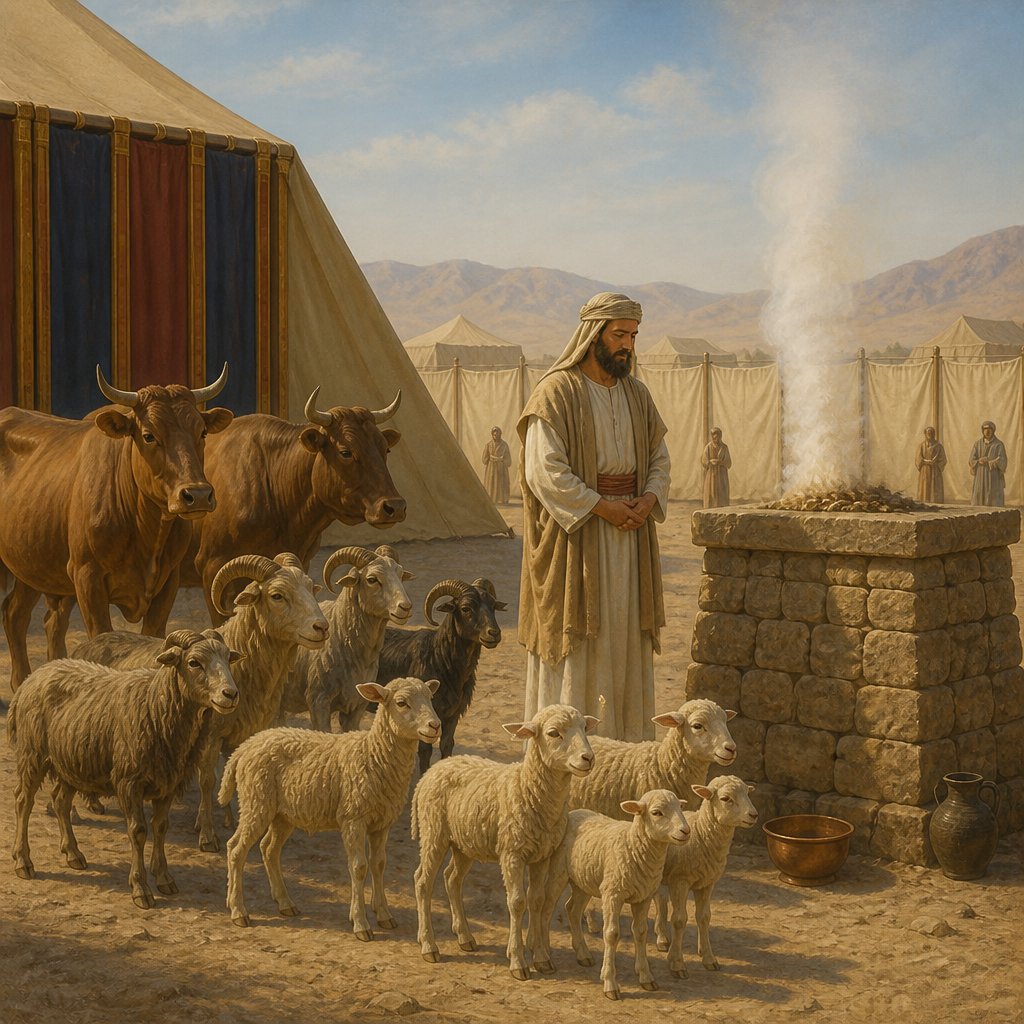
The book of Numbers often seems filled with lists and detailed accounts of sacrifices, offerings, and the Levitical law, which can be daunting or boring to modern readers. However, nestled within these accounts is a profound depth of meaning that we can apply to our lives today. Today, we delve into Numbers 7:53, which reads: "And for a sacrifice of peace offerings, two oxen, five rams, five he goats, five lambs of the first year: this was the offering of Elishama the son of Ammihud." Here, we not only see an account of sacrificial giving but also a reflection on the condition of the heart and the nature of peace with God.
**Understanding Peace Offerings**
The peace offering, known in Hebrew as "zebach shelamim," was a form of sacrificial worship practiced by the Israelites that emphasized fellowship and communion with God. Unlike other offerings that were burnt entirely on the altar, peace offerings involved sharing a portion of the meat with God, while other portions were consumed by the offeror and their family in a communal feast. This symbolized a celebration of God’s blessings and a desire for peace and companionship rather than merely appeasing God for sins.
Elishama’s offering of two oxen, five rams, five he goats, and five lambs demonstrates significant generosity and commitment to such communion with God. Each animal, from the mighty oxen to the innocent lambs, reflects different aspects of relationship and worship. The quantities involved—given in groups—suggest completeness and dedication. This act of sacrifice indicates that Elishama was not only obeying God’s commands concerning offerings but was doing so out of a heart aligned with the spirit of giving and gratitude.
**A Lesson in Generosity**
Elishama’s offering can teach us a valuable lesson about striving for generous hearts as we approach our worship. In today’s context, generosity isn't limited to finances; it encompasses our time, talents, and efforts directed towards God and our communities. Just as Elishama brought forth a bountiful offering, we too should ask ourselves, "How can I give generously this week?"
We must recognize that our giving comes from a place of worship—a recognition of all that God has done for us. Giving is an expression of our thanksgiving. In 2 Corinthians 9:7, we are reminded, "Every man according as he purposeth in his heart, so let him give; not grudgingly, or of necessity: for God loveth a cheerful giver." When we give cheerfully, we echo Elishama’s heart in his offerings, aligning our actions with our faith.
**Cultivating Peace with God**
Beyond financial or material generosity, consider how Elishama’s offering fosters an understanding of peace with God. In our spiritual journey, peace is a core principle. Romans 5:1 states, "Therefore being justified by faith, we have peace with God through our Lord Jesus Christ." To have peace with God is to experience His grace and mercy, knowing that our striving in life is underpinned by His love. When we bring peace offerings, we are essentially acknowledging God’s work in our lives, recognizing that the sacrifice of Christ fulfills our deepest longing for communion with Him.
As we reflect on this passage, let us ask ourselves: Are our lives a reflection of gratitude to God? Are our actions drawing us closer to Him, and are we engaged in making an offering of peace? It is vital to consider how we approach God—not as a matter of obligation, but rather as an opportunity for joyous fellowship.
**Conclusion**
Elishama’s offering encapsulates the beauty of sacrificial giving, which goes beyond mere ritual to an expression of love. In our daily lives, may we embody the spirit of Elishama by offering our very selves in service and praise. Let us cultivate a generous and grateful heart, continuing the tradition of peace offerings today through our acts of worship, service, and love towards others.
Want to reflect more on Numbers 7:53?
Continue your spiritual journey with Bible Chat — an AI-powered tool for exploring God's Word through conversation. Ask questions, discover connections, and deepen your understanding.
Get Our Apps


Numbers 7:53 Artwork

Numbers 7:53 - "And for a sacrifice of peace offerings, two oxen, five rams, five he goats, five lambs of the first year: this was the offering of Elishama the son of Ammihud."
"And for a sacrifice of peace offerings, two oxen, five rams, five he goats, five lambs of the first year: this was the offering of Elishama the son of Ammihud." - Numbers 7:53

Numbers 1:50 -53

Numbers 1:50 -53

Numbers 1:50 -53

Numbers 26:53 - "Unto these the land shall be divided for an inheritance according to the number of names."

Numbers 31:53 - "(For the men of war had taken spoil, every man for himself.)"

Nehemiah 7:53 - "The children of Bakbuk, the children of Hakupha, the children of Harhur,"

Numbers 33:53 - "And ye shall dispossess the inhabitants of the land, and dwell therein: for I have given you the land to possess it."

John 7:53 - "And every man went unto his own house."

Acts 7:53 - "Who have received the law by the disposition of angels, and have not kept it."

"Unto these the land shall be divided for an inheritance according to the number of names." - Numbers 26:53

"(For the men of war had taken spoil, every man for himself.)" - Numbers 31:53

Numbers 1:53 - "But the Levites shall pitch round about the tabernacle of testimony, that there be no wrath upon the congregation of the children of Israel: and the Levites shall keep the charge of the tabernacle of testimony."

"The children of Bakbuk, the children of Hakupha, the children of Harhur," - Nehemiah 7:53

"And every man went unto his own house." - John 7:53
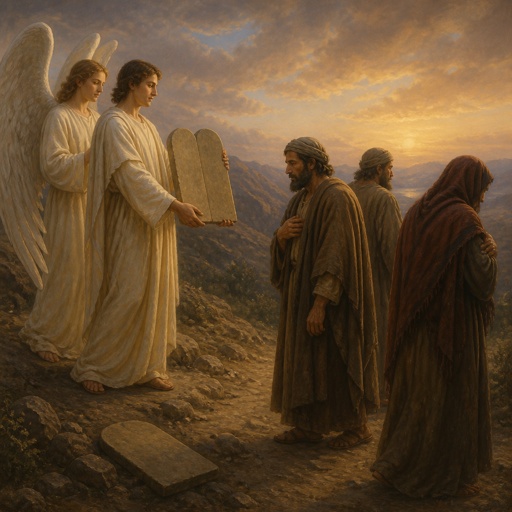
"Who have received the law by the disposition of angels, and have not kept it." - Acts 7:53

"And ye shall dispossess the inhabitants of the land, and dwell therein: for I have given you the land to possess it." - Numbers 33:53

Isaiah 53:7 - "He was oppressed, and he was afflicted, yet he opened not his mouth: he is brought as a lamb to the slaughter, and as a sheep before her shearers is dumb, so he openeth not his mouth."

Isaiah53:3-7

Numbers 29:7

Numbers 4:7
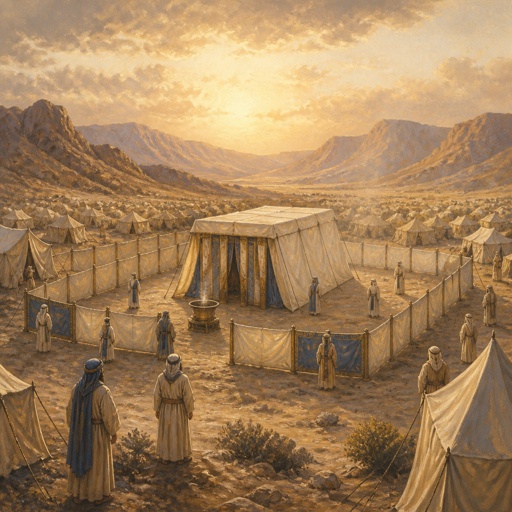
"But the Levites shall pitch round about the tabernacle of testimony, that there be no wrath upon the congregation of the children of Israel: and the Levites shall keep the charge of the tabernacle of testimony." - Numbers 1:53

Numbers 7:1-9

Numbers 7:7 - "Two wagons and four oxen he gave unto the sons of Gershon, according to their service:"

Numbers 4:7-8

Numbers 1:7 - "Of Judah; Nahshon the son of Amminadab."

Numbers 7:64 - "One kid of the goats for a sin offering:"

Numbers 7:76 - "One kid of the goats for a sin offering:"

Numbers 7:34 - "One kid of the goats for a sin offering:"