Sacrifice and Service: The Call to Offer Our Best
"His offering was one silver charger, the weight whereof was an hundred and thirty shekels, one silver bowl of seventy shekels, after the shekel of the sanctuary; both of them full of fine flour mingled with oil for a meat offering:" - Numbers 7:49
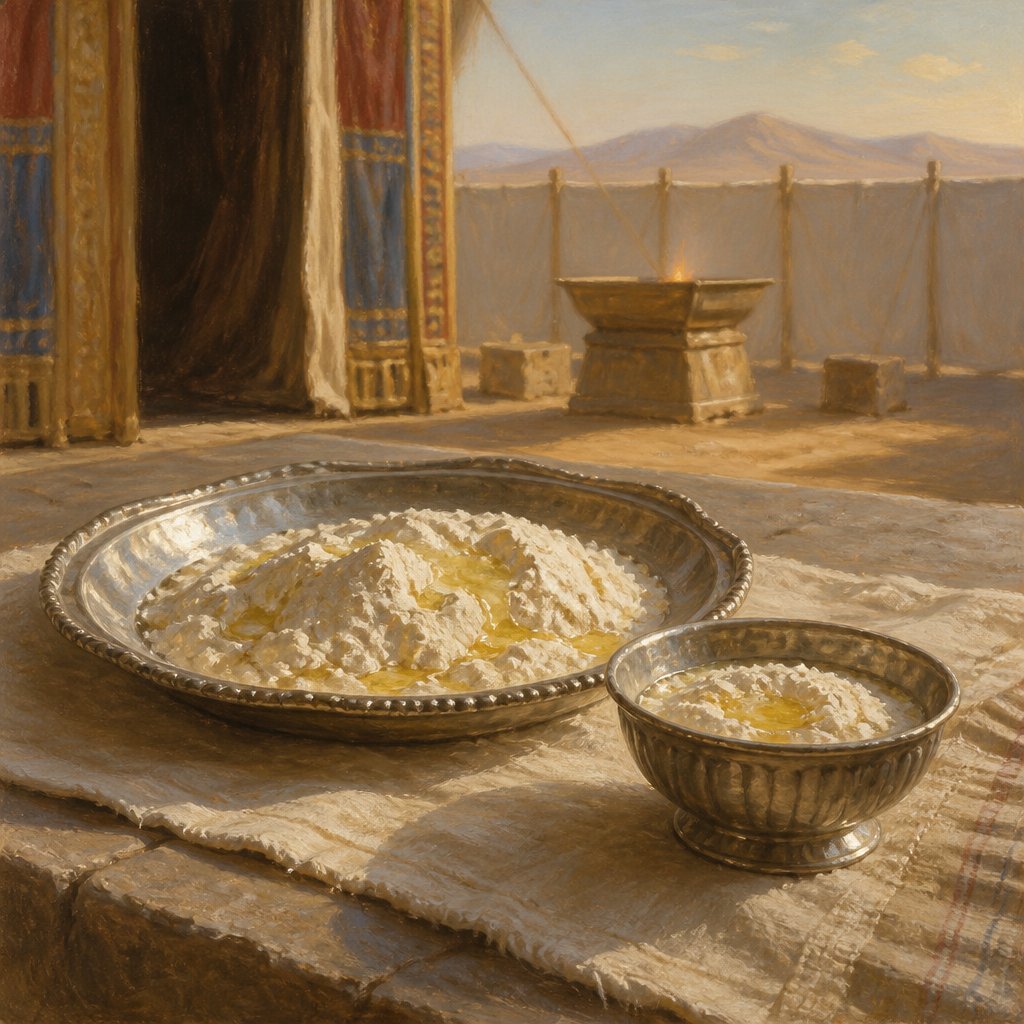
In the book of Numbers, chapter 7, we encounter a profound moment when the leaders of Israel brought their offerings to the Lord. Among the offerings recorded, we find the verse, "His offering was one silver charger, the weight whereof was an hundred and thirty shekels, one silver bowl of seventy shekels, after the shekel of the sanctuary; both of them full of fine flour mingled with oil for a meat offering" (Numbers 7:49, KJV). At first glance, this may seem like a mere accounting of ceremonial gifts, but there are deeper lessons of faith, commitment, and the beauty of divine offering that resonate throughout Scripture and our lives today.
To understand the significance of the silver charger and bowl, we must first appreciate the cultural context. Israel was in the wilderness, preparing to enter the Promised Land. Each leader brought their offerings to the tabernacle, symbolizing unity, devotion, and collective worship. The charger and bowl, fashioned from precious silver, were not just functional items; they represented the best that each leader could offer to the Lord.
This prompts us to reflect on the nature of our offerings to God. What do we bring to Him? In our casual daily interactions with God, we might be tempted to give less than our best, offering Him leftover time or half-hearted prayers. However, Scripture calls us to present ourselves as living sacrifices (Romans 12:1), to give God our utmost, much like the leaders who brought their finest offerings. We learn from them that offering our best is an act of worship and a reflection of our relationship with God. In every aspect of our lives—be it our talents, resources, or time—we should strive to honor Him with offerings that are meaningful and truly reflect His worth.
The weight of the objects—one charger weighing one hundred thirty shekels and one bowl seventy shekels—encapsulates a heart posture towards generosity and sacrifice. Each shekel represented value and weight, reflecting that giving to God is not merely about quantity but quality. When we give to God, we should not only consider the material aspect of our gifts but rather the heart behind them. In 2 Corinthians 9:7, Paul reminds us that God loves a cheerful giver, emphasizing that the intention and joy in giving matter just as much as the offering itself.
Additionally, the mention of fine flour mingled with oil for a meat offering speaks volumes about the nature of the offerings made. Within biblical typology, flour symbolizes purity and sustenance, while oil often represents the Holy Spirit and anointing. The act of mingling flour with oil signifies a holistic approach to our offerings—our lives should be infused with the Spirit of God. Just as the offerings were crafted with intention, so should our daily lives be infused with the Spirit of God in our thoughts, actions, and interactions.
As we meditate on this passage, let us consider what it means to us in a tangible way. Are our lives an offering to God? Do we lay down our ambitions, desires, and affections at His altar? In doing so, we align ourselves with His purposes and find greater fulfillment than we could ever achieve through self-serving pursuits.
In conclusion, Numbers 7:49 is more than a historical account; it is a divine invitation to examine our hearts and our offerings to the Lord. As we live our lives, let us strive to make every aspect—time, talents, resources—a sacred offering to Christ. May we recognize that in our sacrificial service, we reflect the nature of Christ, who gave His all for us on the cross. Let us, therefore, step into the rhythm of worship through our offerings, knowing that our best is never wasted in God’s kingdom.
Want to reflect more on Numbers 7:49?
Continue your spiritual journey with Bible Chat — an AI-powered tool for exploring God's Word through conversation. Ask questions, discover connections, and deepen your understanding.
Get Our Apps


Numbers 7:49 Artwork
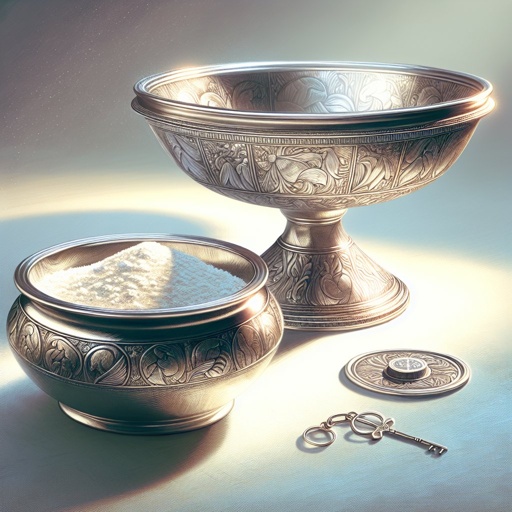
Numbers 7:49 - "His offering was one silver charger, the weight whereof was an hundred and thirty shekels, one silver bowl of seventy shekels, after the shekel of the sanctuary; both of them full of fine flour mingled with oil for a meat offering:"
"His offering was one silver charger, the weight whereof was an hundred and thirty shekels, one silver bowl of seventy shekels, after the shekel of the sanctuary; both of them full of fine flour mingled with oil for a meat offering:" - Numbers 7:49

Numbers 26:49 - "Of Jezer, the family of the Jezerites: of Shillem, the family of the Shillemites."

Isaiah 49 1-7

Numbers 1:49 - "Only thou shalt not number the tribe of Levi, neither take the sum of them among the children of Israel:"

Numbers 33:49 - "And they pitched by Jordan, from Beth-jesimoth even unto Abel-shittim in the plains of Moab."

John 7:49 - "But this people who knoweth not the law are cursed."

Numbers 3:49 - "And Moses took the redemption money of them that were over and above them that were redeemed by the Levites:"

Nehemiah 7:49 - "The children of Hanan, the children of Giddel, the children of Gahar,"

Numbers 16:49 - "Now they that died in the plague were fourteen thousand and seven hundred, beside them that died about the matter of Korah."
"Of Jezer, the family of the Jezerites: of Shillem, the family of the Shillemites." - Numbers 26:49
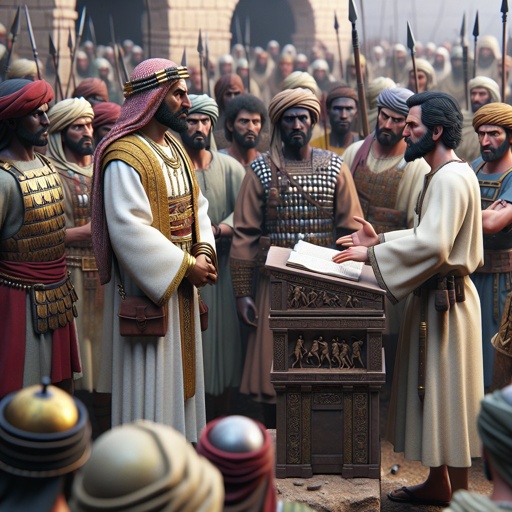
Numbers 31:49 - "And they said unto Moses, Thy servants have taken the sum of the men of war which are under our charge, and there lacketh not one man of us."
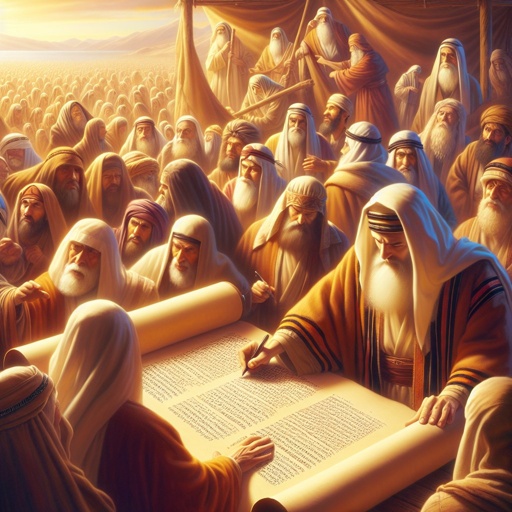
Numbers 4:49 - "According to the commandment of the LORD they were numbered by the hand of Moses, every one according to his service, and according to his burden: thus were they numbered of him, as the LORD commanded Moses."

Luke 7:49 - "And they that sat at meat with him began to say within themselves, Who is this that forgiveth sins also?"

"But this people who knoweth not the law are cursed." - John 7:49

Genesis 49:7 - "Cursed be their anger, for it was fierce; and their wrath, for it was cruel: I will divide them in Jacob, and scatter them in Israel."

Psalms 49:7 - "None of them can by any means redeem his brother, nor give to God a ransom for him:"

"The children of Hanan, the children of Giddel, the children of Gahar," - Nehemiah 7:49

1 Kings 7:49 - "And the candlesticks of pure gold, five on the right side, and five on the left, before the oracle, with the flowers, and the lamps, and the tongs of gold,"

Jeremiah 49:7 - "¶ Concerning Edom, thus saith the LORD of hosts; Is wisdom no more in Teman? is counsel perished from the prudent? is their wisdom vanished?"
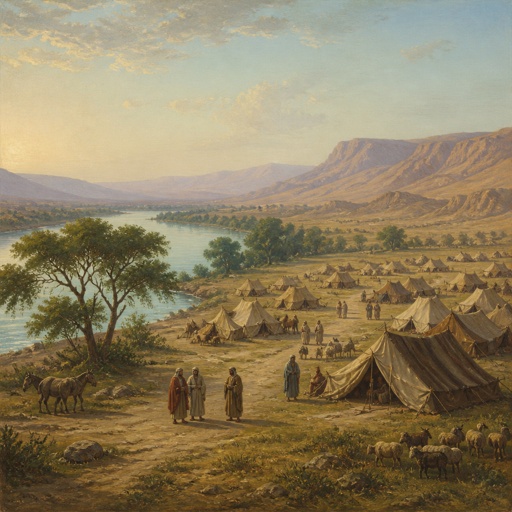
"And they pitched by Jordan, from Beth-jesimoth even unto Abel-shittim in the plains of Moab." - Numbers 33:49

Acts 7:49 - "Heaven is my throne, and earth is my footstool: what house will ye build me? saith the Lord: or what is the place of my rest?"
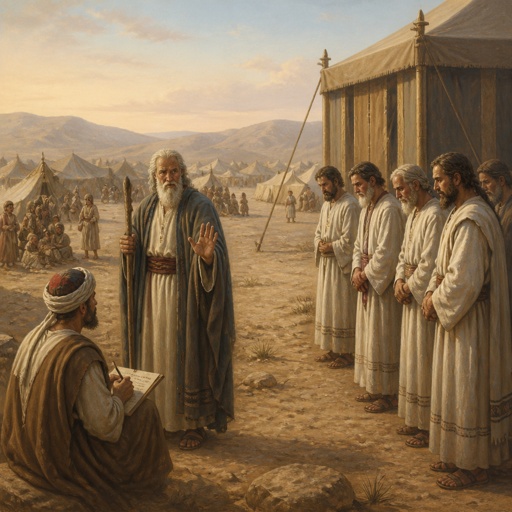
"Only thou shalt not number the tribe of Levi, neither take the sum of them among the children of Israel:" - Numbers 1:49
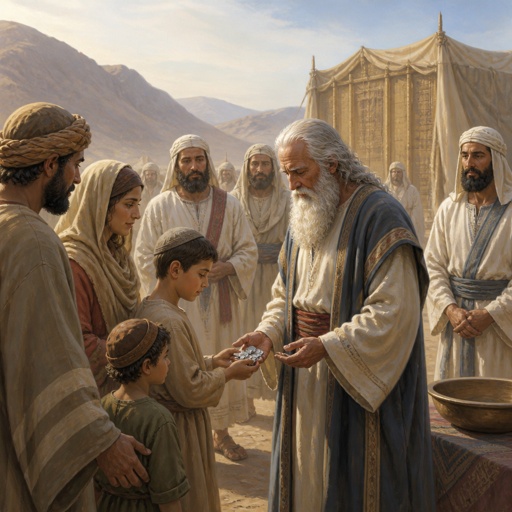
"And Moses took the redemption money of them that were over and above them that were redeemed by the Levites:" - Numbers 3:49

Numbers 29:7

Numbers 4:7
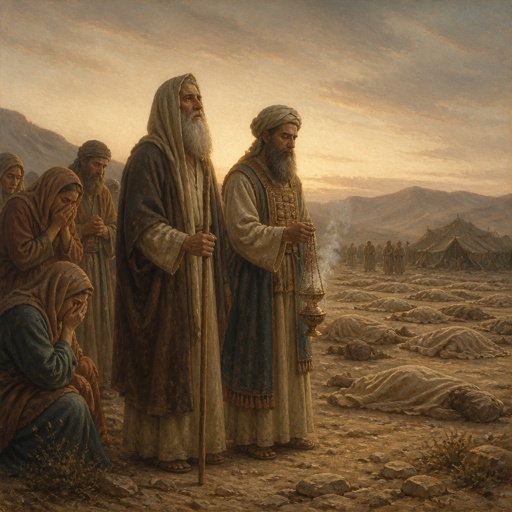
"Now they that died in the plague were fourteen thousand and seven hundred, beside them that died about the matter of Korah." - Numbers 16:49

Numbers 7:1-9

Numbers 7:7 - "Two wagons and four oxen he gave unto the sons of Gershon, according to their service:"

Numbers 4:7-8