The Dual Offerings: A Journey of Atonement and Holiness
"And the priest shall offer the one for a sin offering, and the other for a burnt offering, and make an atonement for him, for that he sinned by the dead, and shall hallow his head that same day." - Numbers 6:11
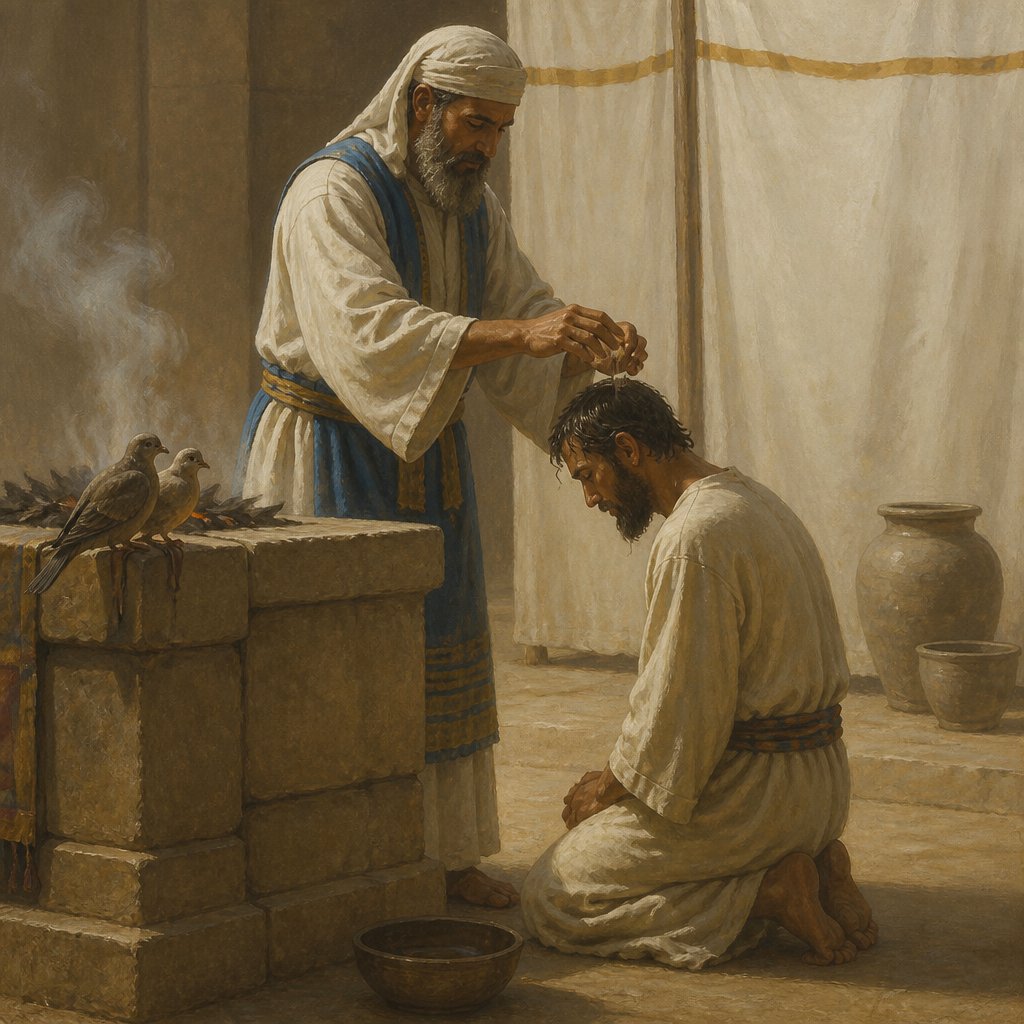
In the Book of Numbers, we come across a pivotal instruction regarding the sin and burnt offerings, as we read in Numbers 6:11 (KJV): "And the priest shall offer the one for a sin offering, and the other for a burnt offering, and make an atonement for him, for that he sinned by the dead, and shall hallow his head that same day." This verse introduces us to a profound principle of atonement, holiness, and the journey back to a right relationship with God.
To understand the significance of this scripture, we must first grasp the context in which these offerings were prescribed. The verse is nestled within the Nazarite vow, a sacred commitment to be set apart for the Lord. Those who undertook this vow abstained from certain worldly pleasures, including the consumption of alcohol and contact with the dead. If a Nazarite unintentionally became defiled by touching a dead body, it would disrupt his vow and require specific rituals to restore him.
The offerings mentioned in the verse serve two critical purposes: one for a sin offering and the other for a burnt offering. The sin offering is a heartfelt acknowledgment of our shortcomings and sinfulness. It recognizes that we have marred our relationship with God through our actions or lapses in judgment. The burnt offering, on the other hand, is an expression of our devotion and commitment to the Lord. It symbolizes total surrender and the desire to be in right standing with God.
When the priest presents both offerings, it encapsulates the duality of our walk with God. The sin offering acknowledges that we all fall short and need God’s grace. Romans 3:23 reminds us, "For all have sinned, and come short of the glory of God." A key lesson here is the importance of acknowledging our sinfulness. To grow in our faith, we must confront the areas of our lives that do not align with God’s holiness.
However, this acknowledgment is just one part of the equation. The purpose of salvation is not only to forgive us but also to transform us. The burnt offering signifies our desire for restoration and commitment to living a life that reflects God’s glory. Our relationship with God calls for a continual process of sanctification, where we strive to reflect His character in our lives, much like the incense of the burnt offering that rises pleasingly before Him.
Furthermore, we notice that the verse concludes with the phrase, "and shall hallow his head that same day." This clause signals a moment of consecration. To hallow means to dedicate or set apart for sacred use. In the context of our faith, it teaches us that after we recognize our sin and seek forgiveness, we are called to emerge transformed, renewed, and set apart for God's purposes. We are reminded of 1 Peter 1:15-16 (KJV) which states, "But as he which hath called you is holy, so be ye holy in all manner of conversation; Because it is written, Be ye holy; for I am holy."
In our fast-paced lives, it is easy to bypass the importance of reflection on our spiritual state. Numbers 6:11 gently nudges us to pause and consider how we might have become entangled in worldly matters, whether by sin or distraction. It encourages us to not only seek forgiveness through the sin offering but also to pursue a deeper commitment to the Lord in our daily lives, making choices that honor Him.
Let us, therefore, approach God with humility, acknowledging our shortcomings while desiring a renewed spirit within us. As we meditate on this scripture, may our hearts be stirred to live lives that hallow our heads in sanctity, reflecting His glory in cleanliness and dedication to His service. Let the dual offerings remind us of the grace we receive and the holy life we are called to embrace.
As we go about our days, let’s ask ourselves: Where do I need to seek forgiveness, and how can I demonstrate my renewed commitment to living a holy life? Let us bear in mind that through His grace, restoration and holiness are always within our reach.
Want to reflect more on Numbers 6:11?
Continue your spiritual journey with Bible Chat — an AI-powered tool for exploring God's Word through conversation. Ask questions, discover connections, and deepen your understanding.
Get Our Apps


Numbers 6:11 Artwork
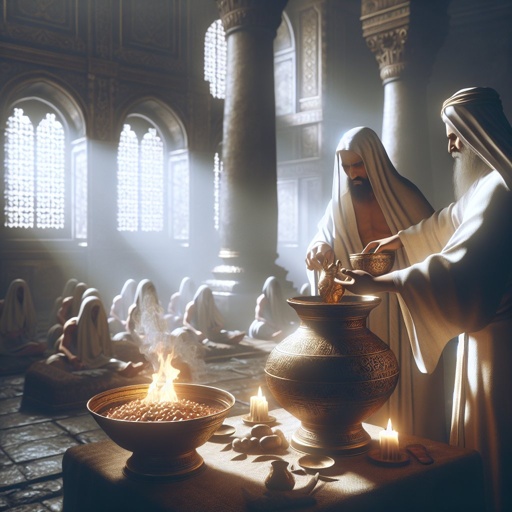
Numbers 6:11 - "And the priest shall offer the one for a sin offering, and the other for a burnt offering, and make an atonement for him, for that he sinned by the dead, and shall hallow his head that same day."
"And the priest shall offer the one for a sin offering, and the other for a burnt offering, and make an atonement for him, for that he sinned by the dead, and shall hallow his head that same day." - Numbers 6:11

Numbers 11. 4 to 6

Numbers 11:6 - "But now our soul is dried away: there is nothing at all, beside this manna, before our eyes."

Numbers 11
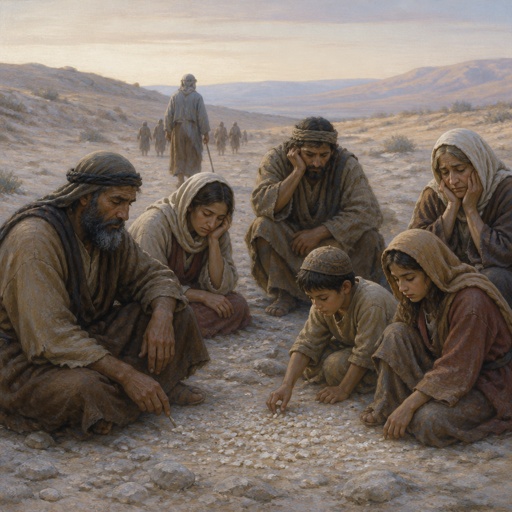
"But now our soul is dried away: there is nothing at all, beside this manna, before our eyes." - Numbers 11:6

Numbers 11:17

Numbers 11 quail

Numbers 11:15

Numbers 11:5

Numbers 11:16-26

Numbers 1:11 - "Of Benjamin; Abidan the son of Gideoni."

Numbers 26:11 - "Notwithstanding the children of Korah died not."

Numbers 5:11 - "¶ And the LORD spake unto Moses, saying,"

Numbers 3:11 - "And the LORD spake unto Moses, saying,"

Numbers 6:6 - "All the days that he separateth himself unto the LORD he shall come at no dead body."

Numbers 1:6 - "Of Simeon; Shelumiel the son of Zurishaddai."

Numbers 11 dead quail Moses

Numbers 6:22 - "¶ And the LORD spake unto Moses, saying,"

Numbers 27:6 - "¶ And the LORD spake unto Moses, saying,"

Numbers 13:6 - "Of the tribe of Judah, Caleb the son of Jephunneh."

Numbers 6:1 - "And the LORD spake unto Moses, saying,"

Numbers 6:24 - "The LORD bless thee, and keep thee:"

Numbers 11:7 - "And the manna was as coriander seed, and the colour thereof as the colour of bdellium."

Aaron blessing the congregation in numbers 6

Numbers 33:11 - "And they removed from the Red sea, and encamped in the wilderness of Sin."

Numbers 11:30 - "And Moses gat him into the camp, he and the elders of Israel."

Numbers 26:6 - "Of Hezron, the family of the Hezronites: of Carmi, the family of the Carmites."

Numbers 13:11 - "Of the tribe of Joseph, namely, of the tribe of Manasseh, Gaddi the son of Susi."

Numbers 31:11 - "And they took all the spoil, and all the prey, both of men and of beasts."