The Weight of Iniquity: A Reflection on Accountability and Forgiveness
"Then shall the man be guiltless from iniquity, and this woman shall bear her iniquity." - Numbers 5:31
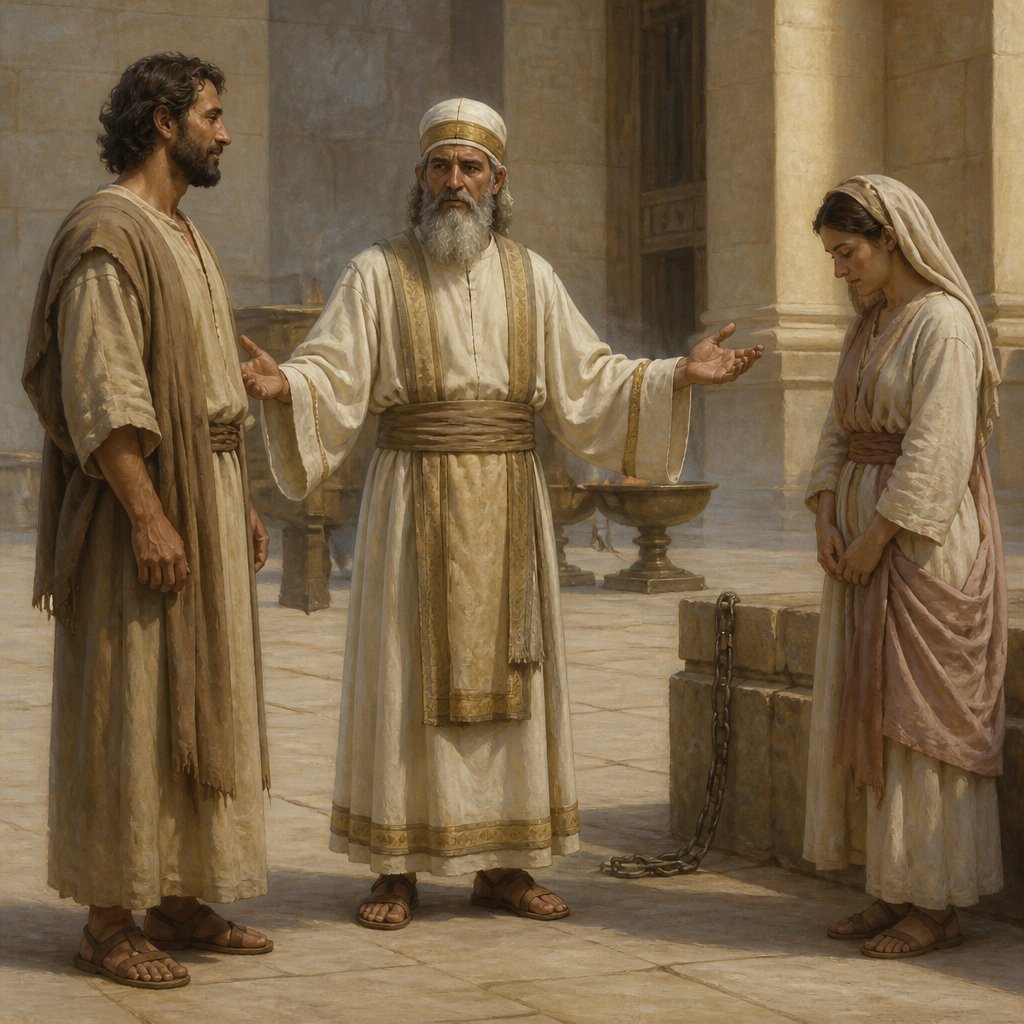
The world is filled with a constant ebb and flow of justice and mercy, each swinging like a pendulum — often out of balance. In the book of Numbers 5:31, we read, “Then shall the man be guiltless from iniquity, and this woman shall bear her iniquity.” At first glance, this verse may appear to be a simple legal provision within the ancient Israelite community. However, beneath the surface lies a profound conundrum about accountability, guilt, and the intricacies of human relationships.
The context of this verse deals with the difficult subject of marital fidelity and the serious implications of infidelity. The Lord provides a clear pathway for clarity and truth in relationships marred by doubt and suspicion. This passage captures a critical moment where the gravity of sin (iniquity) is addressed. The husband’s role as guiltless after the enactment of this ritual places a significant focus on personal responsibility and the consequence of sin for both parties involved.
Understanding this scripture requires us to unpack the notion of ‘iniquity’ itself. In Hebrew, **'iniquity' (עָוֹן – Avon)** outlines a deeper moral failing, a twistedness of spirit. It is not merely a sin but speaks to a condition of the heart that yields wrongdoing. It forces us to confront an uncomfortable truth: sin does not just exist—it transforms us, alienating us from God and potentially leading to a cascade of consequences.
A prevalent theme in our Christian walk is the intricacies of personal responsibility. Numbers 5:31 illustrates that consequences for actions can be personally borne, yet it does not nullify the shared impacts of those actions. Here, a woman bears her iniquity while the man remains guiltless. This echoes the reality of our human experience: in community, individual actions ripple profoundly through relationships, affecting not just the sinner but also those around them. We must ask ourselves, do we fully grasp the weight of our choices?
Yet, amid the gravity of this passage, we find hope through the lens of the New Covenant where Christ addresses sin and guilt with unmatched grace. In the coming of Jesus, we are introduced to the concept of redemption and, most importantly, forgiveness, which transcends the boundaries laid out in Numbers. In John 8:7, Jesus raises a powerful reminder, stating, "He that is without sin among you, let him first cast a stone."
This refreshing juxtaposition invites us to consider how we approach others with their transgressions. While the Old Testament elucidates the structure of justice, the New Testament reveals the heart of God that yearns for redemption.
As believers, we are constantly invited into the process of repentance and forgiveness, both in receiving God’s grace and offering it to others. The weight of iniquity, as illustrated in Numbers, reveals the seriousness of sin; yet, through Christ, we bear the possibility of the spiritual rebirth that frees us from guilt.
In moments where we assess our lives and relationships, let us remember: being ‘guiltless’ does not mean being sinless, but rather embracing the grace that allows us to stand before God without the crushing weight of condemnation. Instead of pointing fingers, we must continuously learn to reflect on our heart's condition. Just as the community of Israel had to navigate complex interpersonal dynamics, we too must be vigilant about accountability within our communities, recognizing the importance of calling out sin to restore, rather than to punish.
As you meditate on this scripture today, consider both sides of the equation. How are you managing your iniquities? Like the man in the passage, do you find yourself guiltless in areas where you should be accountable? And beyond that, how are you extending grace to those who have wronged you? Embrace the reality of your need for forgiveness and compel others toward the same grace that has been lavishly poured out on you.
Want to reflect more on Numbers 5:31?
Continue your spiritual journey with Bible Chat — an AI-powered tool for exploring God's Word through conversation. Ask questions, discover connections, and deepen your understanding.
Get Our Apps


Numbers 5:31 Artwork

Numbers 5:31 - "Then shall the man be guiltless from iniquity, and this woman shall bear her iniquity."
"Then shall the man be guiltless from iniquity, and this woman shall bear her iniquity." - Numbers 5:31

Numbers 31:5 - "So there were delivered out of the thousands of Israel, a thousand of every tribe, twelve thousand armed for war."

Numbers 31:31 - "And Moses and Eleazar the priest did as the LORD commanded Moses."

Numbers 31 graphics

Numbers 31:46 - "And sixteen thousand persons;)"
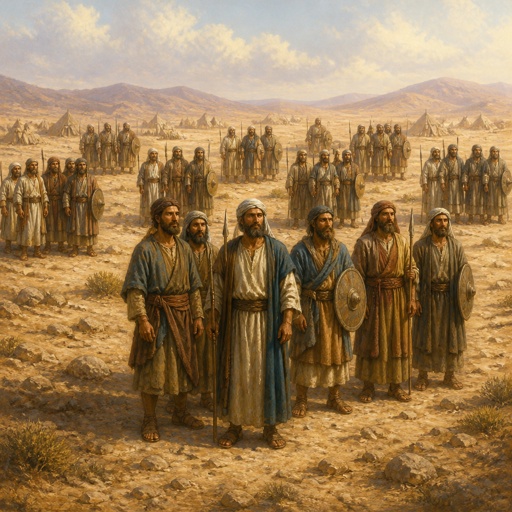
"So there were delivered out of the thousands of Israel, a thousand of every tribe, twelve thousand armed for war." - Numbers 31:5

numbers 31:14-15

Numbers 31:33 - "And threescore and twelve thousand beeves,"

Numbers 31:34 - "And threescore and one thousand asses,"

Numbers 31:44 - "And thirty and six thousand beeves,"

Numbers 31:1 - "And the LORD spake unto Moses, saying,"

Numbers 31:25 - "¶ And the LORD spake unto Moses, saying,"

Numbers 31:45 - "And thirty thousand asses and five hundred,"

Numbers 21:31 - "¶ Thus Israel dwelt in the land of the Amorites."

"And Moses and Eleazar the priest did as the LORD commanded Moses." - Numbers 31:31

Numbers 26:31 - "And of Asriel, the family of the Asrielites: and of Shechem, the family of the Shechemites:"

Numbers 33:31 - "And they departed from Moseroth, and pitched in Bene-jaakan."

Numbers 31:22 - "Only the gold, and the silver, the brass, the iron, the tin, and the lead,"

Numbers 31:37 - "And the LORD'S tribute of the sheep was six hundred and threescore and fifteen."

"And sixteen thousand persons;)" - Numbers 31:46

Numbers 31:53 - "(For the men of war had taken spoil, every man for himself.)"

Numbers 31:11 - "And they took all the spoil, and all the prey, both of men and of beasts."

Numbers 31:10 - "And they burnt all their cities wherein they dwelt, and all their goodly castles, with fire."

Numbers 31:29 - "Take it of their half, and give it unto Eleazar the priest, for an heave offering of the LORD."

Numbers 31:42 - "And of the children of Israel's half, which Moses divided from the men that warred,"

Numbers 31:7 - "And they warred against the Midianites, as the LORD commanded Moses; and they slew all the males."

"And threescore and twelve thousand beeves," - Numbers 31:33

"And threescore and one thousand asses," - Numbers 31:34

Numbers 31:51 - "And Moses and Eleazar the priest took the gold of them, even all wrought jewels."