The Weight of Jealousy: A Sacred Offering
"Then the priest shall take the jealousy offering out of the woman's hand, and shall wave the offering before the LORD, and offer it upon the altar:" - Numbers 5:25
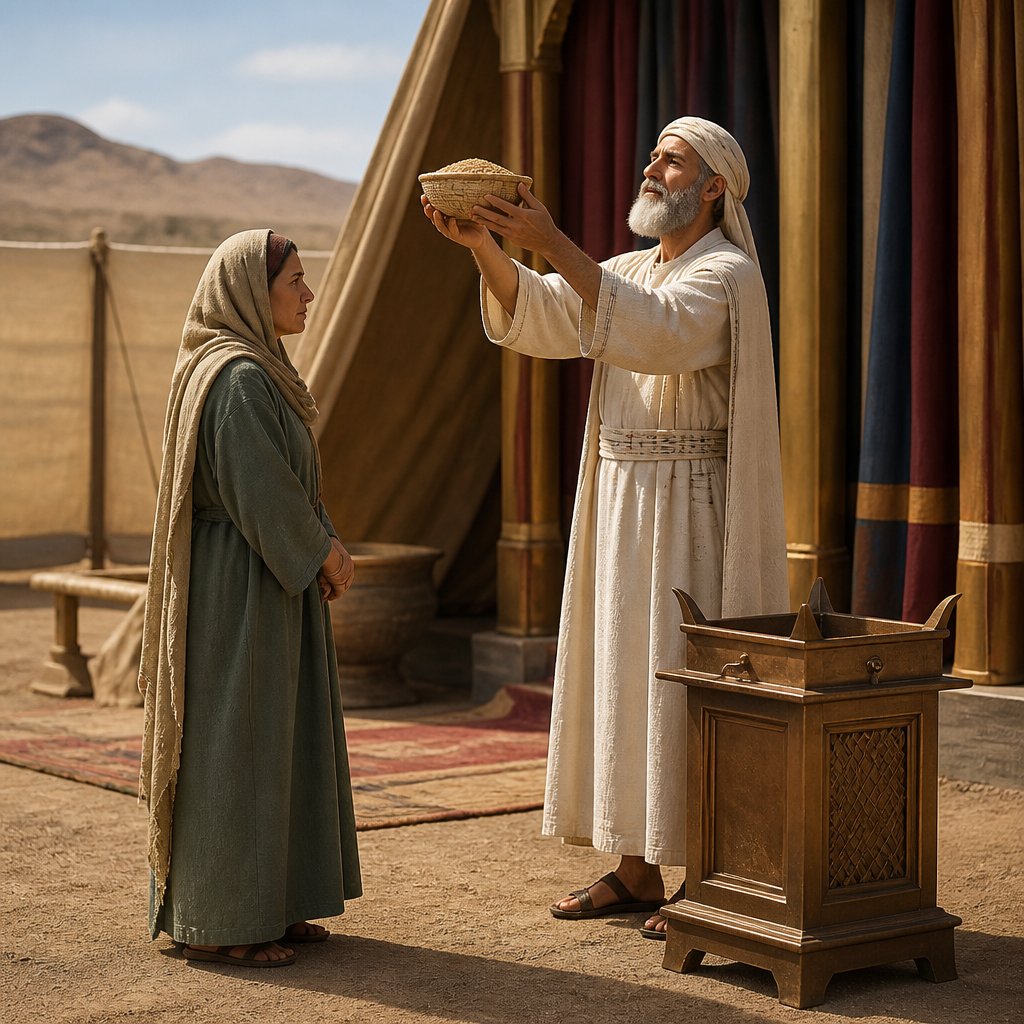
The journey of faith is often punctuated by moments of deep introspection and emotional turmoil. Among these complexities, jealousy is a feeling that can seep into our hearts and disrupt our peace, leading us into a spiral of doubt, distrust, and discontentment. As we turn our attention to Numbers 5:25, where it says, "Then the priest shall take the jealousy offering out of the woman's hand, and shall wave the offering before the LORD, and offer it upon the altar" (KJV), we find a profound insight into how we can address feelings of jealousy and suspicion in our lives, turning them instead into acts of worship and surrender.
In the context of the Mosaic law, this verse outlines a procedure regarding a woman who is suspected of infidelity. The act of the jealousy offering is unique—it recognizes human emotion as valid and worthy of attention. Jealousy, often deemed a sin in Christian teachings, is not simply dismissed but brought to the forefront. God knew that feelings of jealousy could arise in relationships, and rather than ignore or suppress these feelings, the law provided a way to bring them before Him. This acknowledgement is crucial; it illustrates that our emotions, even the most difficult ones, deserve a sacred space in our relationship with God.
The act of the priest taking the jealousy offering shows a transfer of that emotional burden from the woman’s hand to God’s altar. This is a powerful image: we often cling to our feelings, letting them weigh heavily upon us. However, the instruction to wave the offering before the Lord symbolizes both an act of release and an act of worship. When we bring our feelings of jealousy or suspicion before the Lord, we are not only admitting their presence but also relinquishing control over them, acknowledging that they exist under the watchful care of God.
Waving the offering implies movement and action. It signifies that we do not simply lay down our grievances and turn away; instead, we actively participate in the process of laying our burdens at the altar. In our lives, we are called not just to recognize our feelings of jealousy but to submit them in a way that transforms our minds and hearts. This is a challenge—often we allow jealousy to fester, growing into bitterness and resentment. Yet, when we bring our emotions before God, as this passage calls us to do, we create space for God’s truth to permeate our circumstances.
This leads us to consider what it means to offer our jealousies and suspicions to God. First, it requires honesty. We must confront our hearts honestly and admit when we feel jealousy rising within us. Whether it’s envy of someone else’s success, bitterness over perceived slights, or insecurities in our relationships, bringing these feelings to God means recognizing their existence and confessing them. Psalm 139:23-24 invites us, "Search me, O God, and know my heart: try me, and know my thoughts: And see if there be any wicked way in me, and lead me in the way everlasting" (KJV). It is a call for introspection, a plea to allow God to point out what does not align with His truth in our hearts.
Secondly, bringing our jealousy before God is an act of surrender. We must trust that He is sovereign over our relationships and our emotions. To wave the offering means we are laying it down for His examination, asking Him to cleanse us of it. It embodies an active trust that God can handle our insecurities better than we can.
Lastly, this offering is not merely about giving up jealousy but is an invitation to engage in worship. By giving our emotions to God, we open ourselves to the work of His Spirit. We step back, allowing Him to take charge, transforming our hearts from jealousy to love and acceptance.
Thus, Numbers 5:25 is no mundane religious ritual but a vital process where the emotional struggles of humanity meet the divine power of God. It teaches us that even our most troubled thoughts can be transformed into sacred offerings, enveloped in grace, and ultimately leading us back toward joy and peace in Him. As we reflect on this scripture, may we find the courage to bring our jealousy to the altar, where it can be transformed into worship and, ultimately, into a greater understanding of God’s love and provision.
Want to reflect more on Numbers 5:25?
Continue your spiritual journey with Bible Chat — an AI-powered tool for exploring God's Word through conversation. Ask questions, discover connections, and deepen your understanding.
Get Our Apps


Numbers 5:25 Artwork

Numbers 5:25 - "Then the priest shall take the jealousy offering out of the woman's hand, and shall wave the offering before the LORD, and offer it upon the altar:"
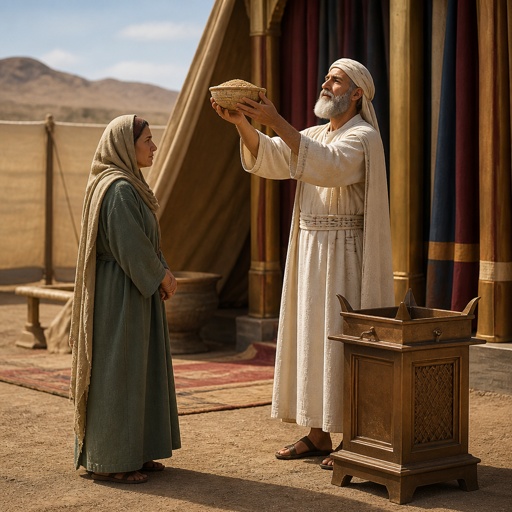
"Then the priest shall take the jealousy offering out of the woman's hand, and shall wave the offering before the LORD, and offer it upon the altar:" - Numbers 5:25

Numbers 25:5 - "And Moses said unto the judges of Israel, Slay ye every one his men that were joined unto Baal-peor."

numbers 25:8

numbers 25:8

Numbers 25:17 - "Vex the Midianites, and smite them:"

Numbers 31:25 - "¶ And the LORD spake unto Moses, saying,"

Numbers 25:16 - "¶ And the LORD spake unto Moses, saying,"

Numbers 25:10 - "¶ And the LORD spake unto Moses, saying,"

Numbers 18:25 - "¶ And the LORD spake unto Moses, saying,"

Numbers 33:25 - "And they removed from Haradah, and pitched in Makheloth."

Numbers 13:25 - "And they returned from searching of the land after forty days."

Numbers 25:9 - "And those that died in the plague were twenty and four thousand."
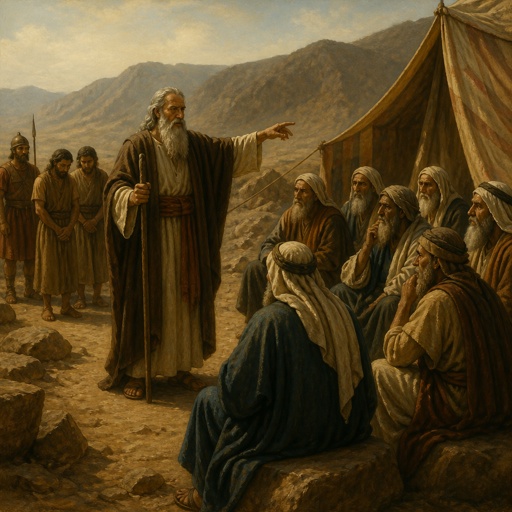
"And Moses said unto the judges of Israel, Slay ye every one his men that were joined unto Baal-peor." - Numbers 25:5

Numbers 34:25 - "And the prince of the tribe of the children of Zebulun, Elizaphan the son of Parnach."

Numbers 5:5 - "¶ And the LORD spake unto Moses, saying,"

Be hostile to the medianites numbers 25:16-18

Numbers 26:25 - "These are the families of Issachar according to those that were numbered of them, threescore and four thousand and three hundred."

Genesis 25:5

"Vex the Midianites, and smite them:" - Numbers 25:17

Numbers 6:25 - "The LORD make his face shine upon thee, and be gracious unto thee:"

Numbers 11:5

Numbers 25:12 - "Wherefore say, Behold, I give unto him my covenant of peace:"

Numbers 25:2 - "And they called the people unto the sacrifices of their gods: and the people did eat, and bowed down to their gods."

Numbers 25:3 - "And Israel joined himself unto Baal-peor: and the anger of the LORD was kindled against Israel."

Numbers 20:25 - "Take Aaron and Eleazar his son, and bring them up unto mount Hor:"

Numbers 1:25 - "Those that were numbered of them, even of the tribe of Gad, were forty and five thousand six hundred and fifty."

Numbers 16:25 - "And Moses rose up and went unto Dathan and Abiram; and the elders of Israel followed him."
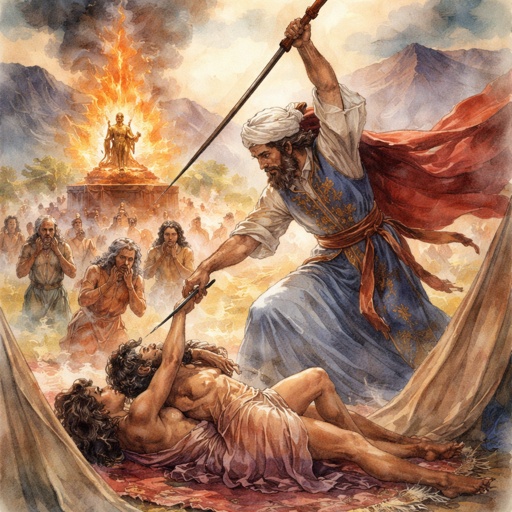
Phinehas action in numbers 25 on Israel’s idolatry with Baal of peor

"Lead me in thy truth, and teach me: for thou art the God of my salvation; on thee do I wait all the day." - Psalms 25:5