Cities of Refuge: A Journey to Safety and Redemption
"Then ye shall appoint you cities to be cities of refuge for you; that the slayer may flee thither, which killeth any person at unawares." - Numbers 35:11
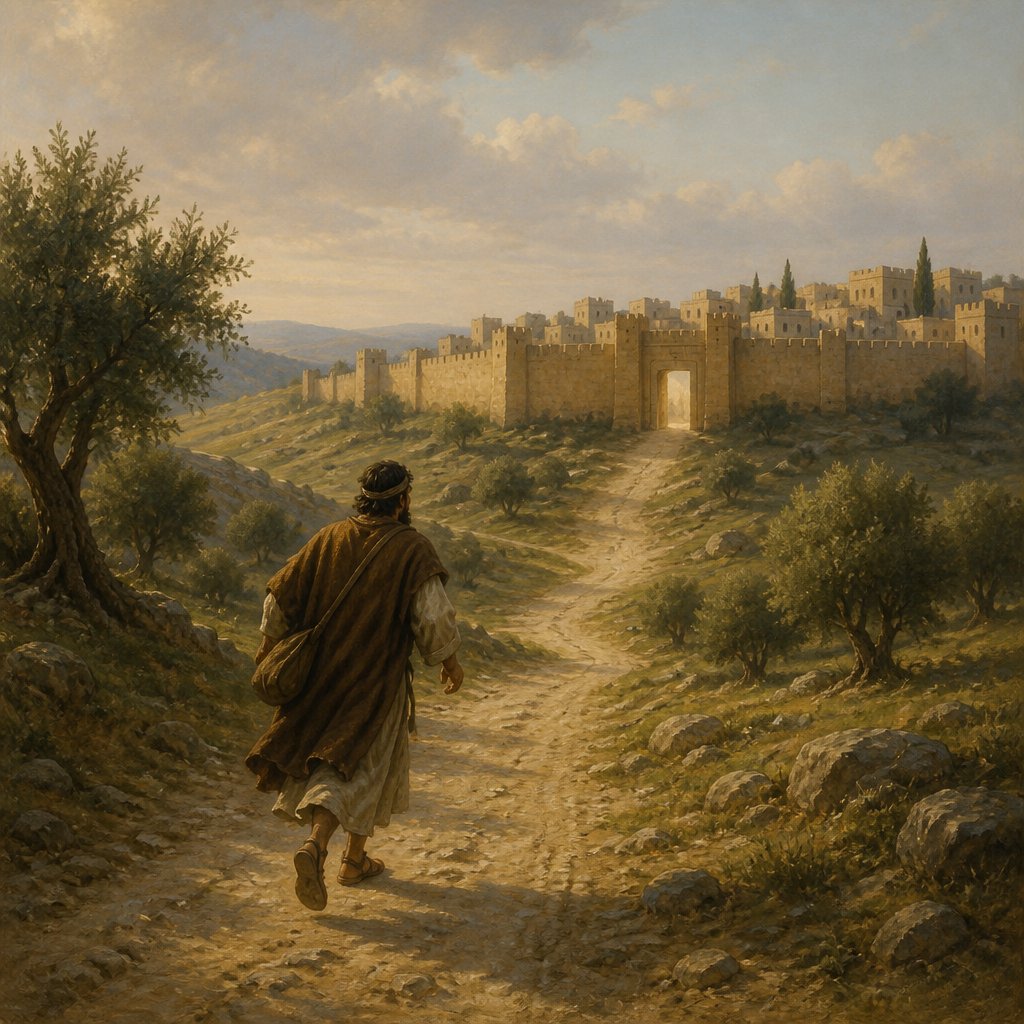
In Numbers 35:11, we read, "Then ye shall appoint you cities to be cities of refuge for you; that the slayer may flee thither, which killeth any person at unawares." This passage unveils a facet of God’s character that speaks profoundly of mercy, justice, and the possibility of redemption amidst tragedy. As we delve into this scripture, we are invited to explore the concept of sanctuary, not only in physical spaces but also in the spiritual realm of our lives.
The context of this verse is crucial to understanding its depth. The Israelites had just taken possession of the Promised Land, and God, in His wisdom, knew that there would be times of conflict and unintentional harm. He commanded that six cities be set aside as places of refuge. These cities were designated for those who had accidentally caused the death of another, enabling them to escape the clutches of avengers seeking retribution. Here lies the first lesson: God cares deeply for humanity and understands our frailty. Even in the aftermath of our mistakes—whether unintentional or borne from negligence—He provides a means of safety and healing.
The term "slayer" in this passage speaks to all of us because it represents the unintended consequences of our actions. In a world filled with anger, misunderstanding, and misplaced responsibility, many of us have experienced seasons of regret; moments where we felt like we had caused harm, whether by words spoken in haste or actions taken without forethought. God, in His infinite mercy, established cities of refuge as a reminder that there is always hope for redemption. In these cities, the individual could find solace and the opportunity to start anew away from the constant reminder of their guilt.
Additionally, these cities of refuge symbolize the ultimate refuge we find in Christ Jesus. As our perfect sanctuary, He invites us to come to Him, especially when we feel burdened by the weight of our sins and mistakes. Just as the cities offered a physical place of safety from the avenger, Jesus offers spiritual sanctuary from the accusations of our past. Hebrews 6:18 reminds us that we "might have a strong consolation, who have fled for refuge to lay hold upon the hope set before us." In this spiritual sense, we are encouraged to flee from our troubles and into His embrace.
Further reflecting on the concept of unintentional harm, let us ponder how we interact with others. Sometimes, everyday interactions can lead to injury, either physically or emotionally. Just as God provided cities of refuge for the unintentional slayer, we are called to be instruments of grace in the lives of those around us. We are challenged to foster environments of understanding and forgiveness instead of judgement and retribution.
The very designation of these cities serves to remind us that nobody is beyond God’s reach of mercy. The appointed cities were a practical manifestation of compassion, allowing the community to embrace those caught in tragic circumstances with kindness rather than vengeance. How can we emulate this? What can we do to build spaces of grace in our own lives—places where people feel safe to confess their faults, share their burdens, and seek healing?
In conclusion, Numbers 35:11 offers a profound insight into God’s character and the extension of His mercy towards humanity. Amidst the realities of life’s mistakes and injustices, He has provided us with cities of refuge both physically in ancient Israel and spiritually through Christ Jesus. These safe havens remind us that restoration and redemption are always possible. As we navigate our own lives and relationships, let us be diligent in creating our own cities of refuge—pillars of forgiveness, understanding, and love that point back to the ultimate refuge found in God. May we seek His mercy in times of need and extend that mercy to others, providing a sanctuary for those seeking safety and healing in their journeys.
Want to reflect more on Numbers 35:11?
Continue your spiritual journey with Bible Chat — an AI-powered tool for exploring God's Word through conversation. Ask questions, discover connections, and deepen your understanding.
Get Our Apps


Numbers 35:11 Artwork

Numbers 35:11 - "Then ye shall appoint you cities to be cities of refuge for you; that the slayer may flee thither, which killeth any person at unawares."
"Then ye shall appoint you cities to be cities of refuge for you; that the slayer may flee thither, which killeth any person at unawares." - Numbers 35:11

Numbers 11:35 - "And the people journeyed from Kibroth-hattaavah unto Hazeroth; and abode at Hazeroth."

"And the people journeyed from Kibroth-hattaavah unto Hazeroth; and abode at Hazeroth." - Numbers 11:35

Numbers 32:35 - "And Atroth, Shophan, and Jaazer, and Jogbehah,"

Numbers 35:9 - "¶ And the LORD spake unto Moses, saying,"

Numbers 33:35 - "And they departed from Ebronah, and encamped at Ezion-gaber."

John (11:35) Jesus wept.
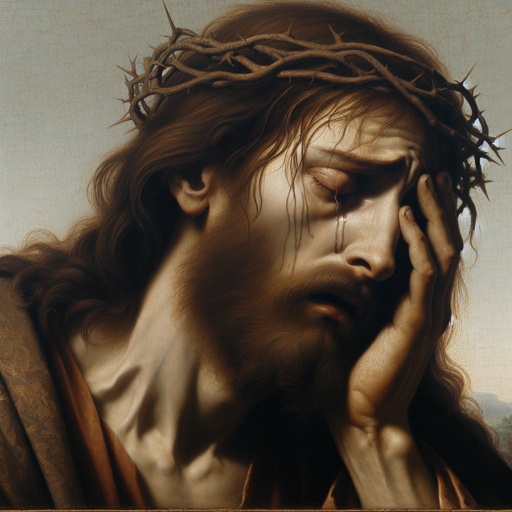
John (11:35) Jesus wept.

John (11:35) Jesus wept.

Numbers 35. City of refuge and blood avenger

Picture representing Numbers 21:21-35

John 11:35

John 11:35

John (11:35) Jesus wept.

John (11:35) Jesus wept.

John (11:35) Jesus wept.

John (11:35) Jesus wept.
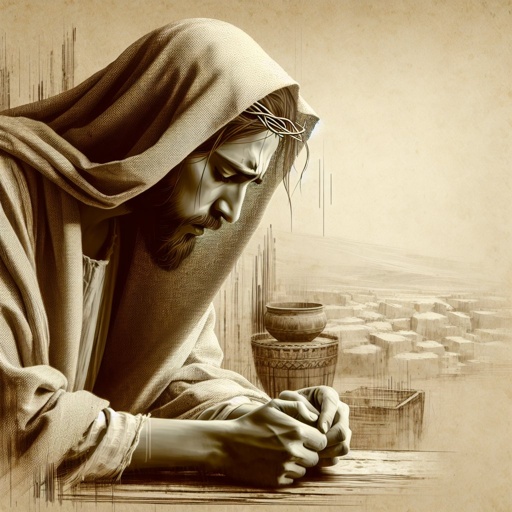
John 11:35 - "Jesus wept."
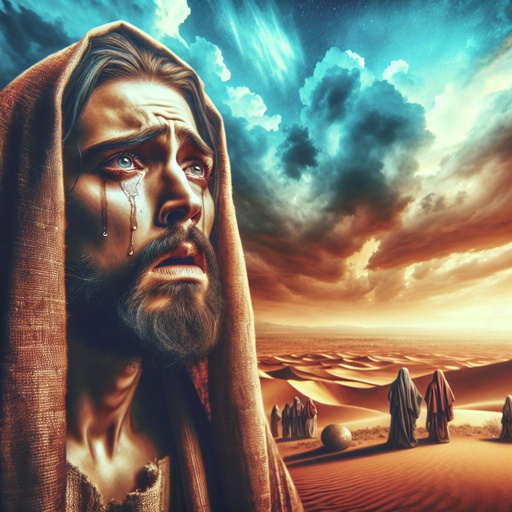
John (11:35) Jesus wept.

John (11:35) Jesus wept.

John (11:35) Jesus wept.

John (11:35) Jesus wept.

John (11:35) Jesus wept.

John (11:35) Jesus wept.
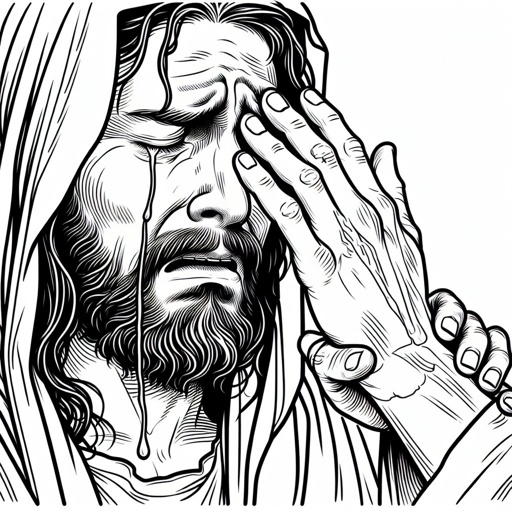
John (11:35) Jesus wept.

Numbers 35:24 - "Then the congregation shall judge between the slayer and the revenger of blood according to these judgments:"

2 Chronicles 35:11

"And Atroth, Shophan, and Jaazer, and Jogbehah," - Numbers 32:35

Numbers 35:1 - "And the LORD spake unto Moses in the plains of Moab by Jordan near Jericho, saying,"