The Legacy of Leadership: Lessons from Zebulun
"Then the tribe of Zebulun: and Eliab the son of Helon shall be captain of the children of Zebulun." - Numbers 2:7
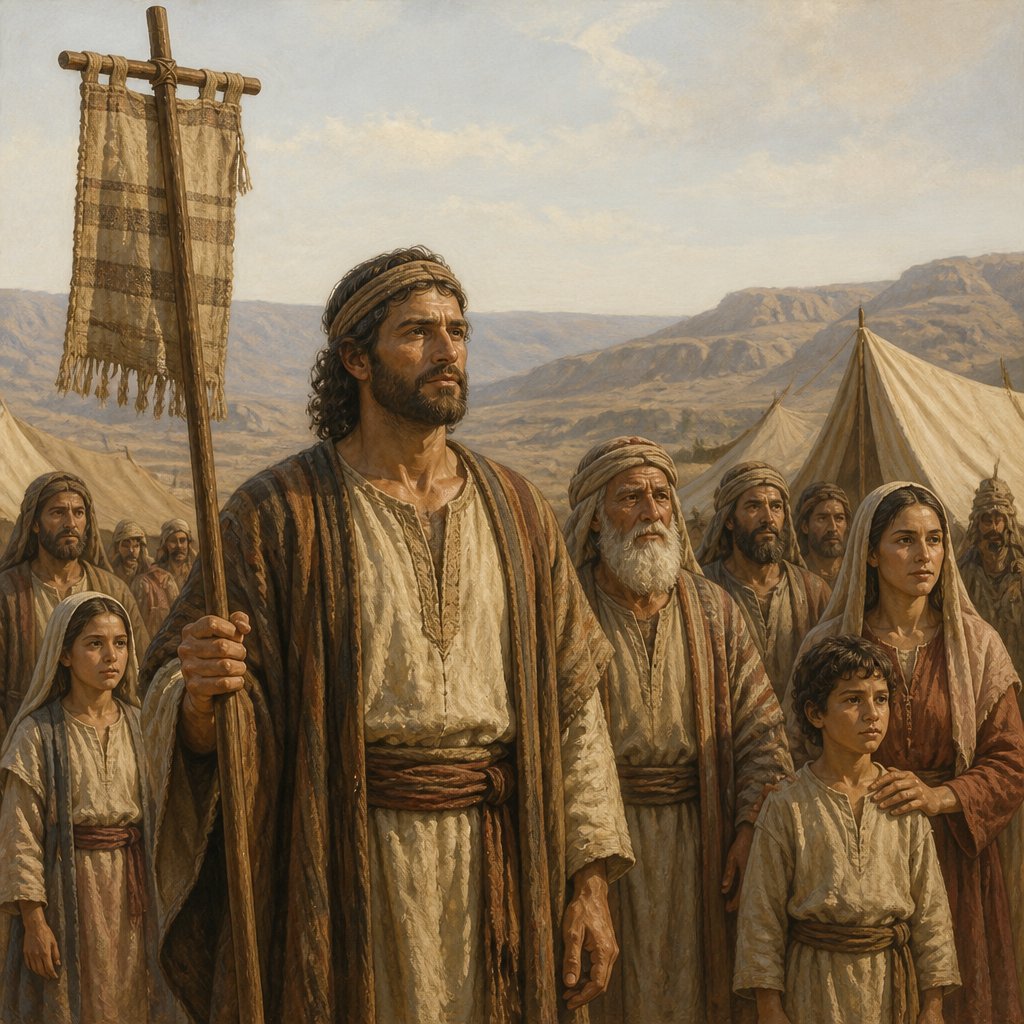
In the book of Numbers, we find a fascinating account that reveals not only the ordering of Israel's tribes but also the underlying principles of leadership and God's divine orchestration. Numbers 2:7 reads, "Then the tribe of Zebulun: and Eliab the son of Helon shall be captain of the children of Zebulun." At first glance, this might appear to be merely an administrative note about the tribe of Zebulun and its leader. However, embedded within these words is a wealth of insight for our daily lives.
The tribe of Zebulun holds a unique position in the narrative of Israel. Zebulun was the sixth son of Jacob, and his name means "to dwell" or "to live with me." This name reflects a sense of belonging and community. Similarly, God’s call for leaders represents an invitation to foster community—to lead with a purpose that resonates at a heart level with those they guide. Eliab’s role as captain embodies what it means to lead with intent, purpose, and strength. Leadership is not merely about authority; it’s about being a guiding force that encourages growth and unity among people.
Eliab, chosen as the captain of Zebulun, signifies the importance of divine selection in leadership. In God’s kingdom, leaders are appointed, not always elected. Eliab's lineage is noteworthy; he is the son of Helon, indicating the heritage and perhaps the qualities passed down that prepared him for this role. Much can be understood about our roles as leaders (in families, churches, workplaces, and communities) when we consider that we are often the result of the influence and teachings of our forbearers. God’s hand works through generations, shaping leaders through the experiences and lessons of those who came before us.
As we meditate on Eliab's leadership, we can draw parallels with our own lives. Each of us is called to be a leader in various capacities. Whether it is within our families, our friend groups, workplaces, or ministry, we have the opportunity to lead by example, much like Eliab did. How do we embody the qualities of a godly leader? First, we must understand that effective leadership is tethered to service. Jesus exemplified this when He washed the feet of His disciples, illustrating that leading is rooted in humility and selflessness.
Consider Zebulun’s mission. Zebulun was known for its trade and commerce, strategically located on the Mediterranean Sea. This positioning allowed the tribe to serve as an economic connector between not only the Israelites but also foreign nations. Thus, Eliab’s leadership was not merely over a tribe but involved a vision that was expansive and inclusive. This serves as a reminder that our leadership should extend beyond our immediate circles. We are called to be influencers in our cities, families, and beyond, fostering relationships and networks that build up others.
Moreover, Eliab stood as captain during a time of great transition. The Israelites were in the wilderness, navigating uncertainty and preparation for the Promised Land. The call to leadership during chaotic times is profound. As we face our own tumultuous seasons—whether personal or collective—how we lead through adversity can carve pathways for others. Are we providing hope, guidance, and clarity amidst confusion?
The mention of his name, Eliab, brings depth to his identity. It reminds us that, like Eliab, our personal connection to God and our understanding of His purpose for us plays a critical role in how effectively we lead. It is vital for us to continually seek God’s guidance in our leadership roles, grounding ourselves in prayer and His Word so that we can act wisely and compassionately.
In closing, let us reflect on Eliab and the tribe of Zebulun. May we take hold of the legacy of leadership they represent, aspiring to be captains in our own right. Let us lead with humility, purpose, and a commitment to serve, confident in the knowledge that God appointed us for such a time as this. In a world that is often driven by self-interest, may we echo the spirit of Zebulun by fostering community, connection, and hope as we walk alongside others toward our shared Promised Land.
Want to reflect more on Numbers 2:7?
Continue your spiritual journey with Bible Chat — an AI-powered tool for exploring God's Word through conversation. Ask questions, discover connections, and deepen your understanding.
Get Our Apps


Numbers 2:7 Artwork
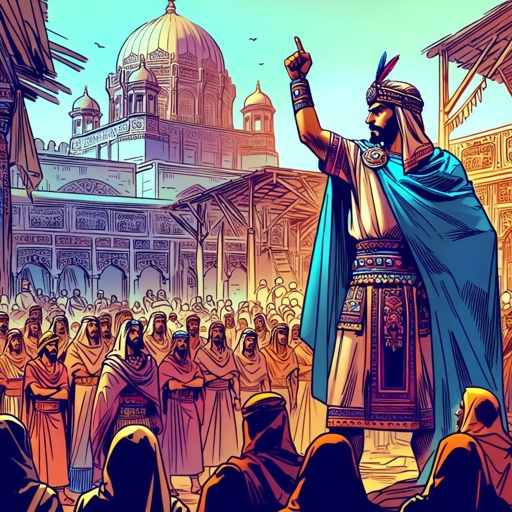
Numbers 2:7 - "Then the tribe of Zebulun: and Eliab the son of Helon shall be captain of the children of Zebulun."
"Then the tribe of Zebulun: and Eliab the son of Helon shall be captain of the children of Zebulun." - Numbers 2:7
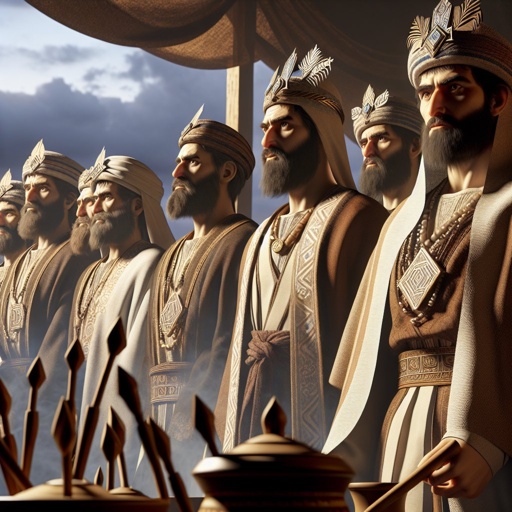
Numbers 7:2 - "That the princes of Israel, heads of the house of their fathers, who were the princes of the tribes, and were over them that were numbered, offered:"

"I have fought a good fight, I have finished my course, I have kept the faith:" - 2 Timothy 4:7

Numbers 29:7

Numbers 4:7

Numbers 7:1-9

Numbers 7:7 - "Two wagons and four oxen he gave unto the sons of Gershon, according to their service:"

Numbers 4:7-8

Numbers 1:7 - "Of Judah; Nahshon the son of Amminadab."

Numbers 7:76 - "One kid of the goats for a sin offering:"

Numbers 7:64 - "One kid of the goats for a sin offering:"

Numbers 7:34 - "One kid of the goats for a sin offering:"

Numbers 7:58 - "One kid of the goats for a sin offering:"

Numbers 7:22 - "One kid of the goats for a sin offering:"

Numbers 7:70 - "One kid of the goats for a sin offering:"

Numbers 7:82 - "One kid of the goats for a sin offering:"

Numbers 7:46 - "One kid of the goats for a sin offering:"

Numbers 7:4 - "And the LORD spake unto Moses, saying,"

Numbers 7:16 - "One kid of the goats for a sin offering:"

Numbers 7:52 - "One kid of the goats for a sin offering:"

Numbers 20:7 - "¶ And the LORD spake unto Moses, saying,"

Numbers 13:7 - "Of the tribe of Issachar, Igal the son of Joseph."

Numbers 7:28 - "One kid of the goats for a sin offering:"

Numbers 7:40 - "One kid of the goats for a sin offering:"

Numbers 7:50 - "One golden spoon of ten shekels, full of incense:"

Numbers 7:80 - "One golden spoon of ten shekels, full of incense:"

Numbers 7:26 - "One golden spoon of ten shekels, full of incense:"

Numbers 7:44 - "One golden spoon of ten shekels, full of incense:"

Numbers 7:68 - "One golden spoon of ten shekels, full of incense:"