The Boldness of Zion: A Lesson from Zelophehad's Daughters
"Then came the daughters of Zelophehad, the son of Hepher, the son of Gilead, the son of Machir, the son of Manasseh, of the families of Manasseh the son of Joseph: and these are the names of his daughters; Mahlah, Noah, and Hoglah, and Milcah, and Tirzah." - Numbers 27:1
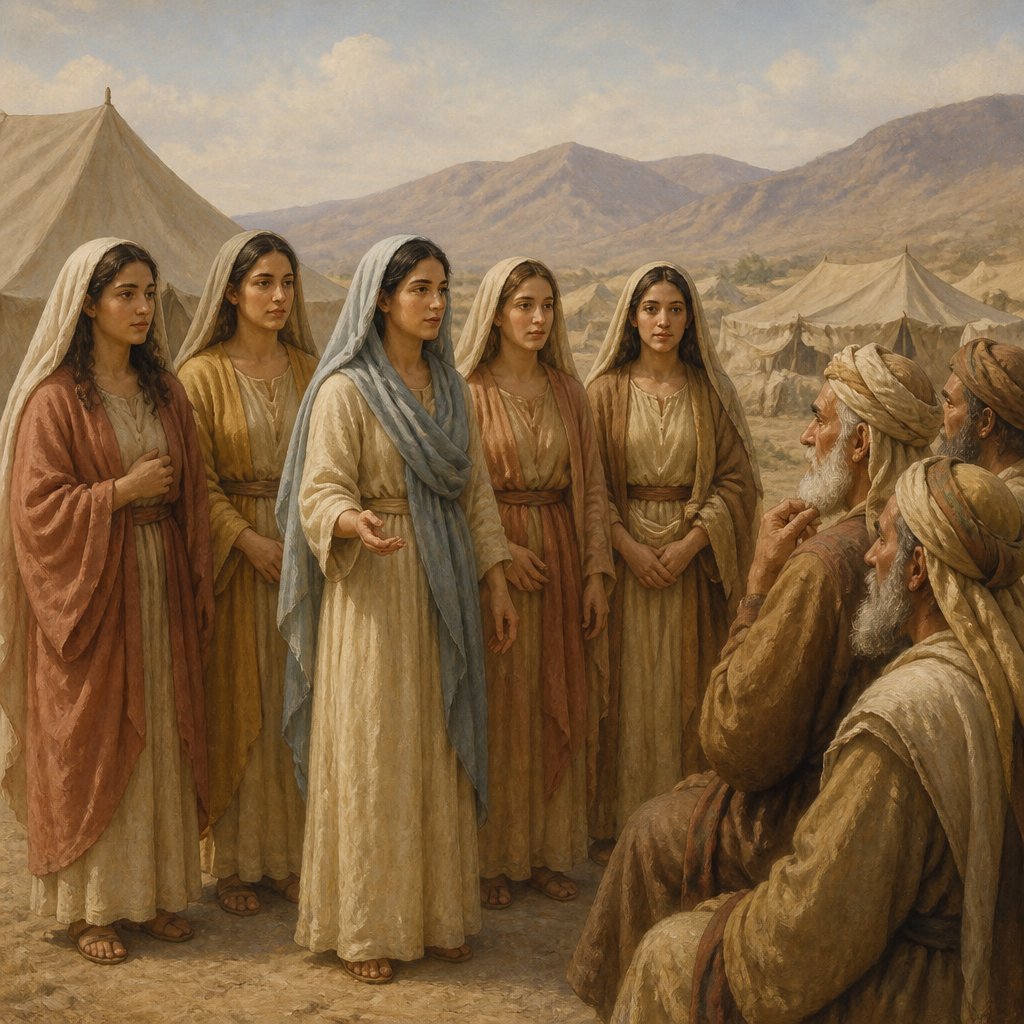
The story of the daughters of Zelophehad is not just a simple narrative found in the pages of Numbers 27:1; it is a profound example of courage, advocacy, and divine justice that resonates powerfully even today. "Then came the daughters of Zelophehad, the son of Hepher, the son of Gilead, the son of Machir, the son of Manasseh, of the families of Manasseh the son of Joseph: and these are the names of his daughters; Mahlah, Noah, and Hoglah, and Milcah, and Tirzah." (Numbers 27:1, KJV)
To understand the significance of this event, we must first contextualize it within Israel's history. Following a long period of wandering in the desert, the Israelites were on the brink of entering the Promised Land. As they prepared to claim their inheritance, the issue of land allocation arose. The Israelites were to inherit the land based on their familial lineage, which traditionally favored males. In this cultural context, the daughters of Zelophehad faced a unique challenge: their father had died without leaving any sons to inherit his entitlement to land.
However, instead of resigning themselves to their fate — which would have meant losing out on their rightful heritage — Mahlah, Noah, Hoglah, Milcah, and Tirzah boldly approached Moses and the leaders of Israel. Their courage to speak out highlights a remarkable trait often overlooked in biblical narratives: the important voice of women in a patriarchal society. These women exemplified the conviction that their claims were just and deserved to be heard.
Their approach was not marked by rage or desperation. Instead, these daughters exhibited grace coupled with steadfastness. They recognized their worth and understood the impact of their plea not just for themselves but for women across generations. This boldness is an embodiment of faith; they firmly believed that God’s justice would prevail in their situation. Their request was not made from a place of rebellion against authority but from a genuine desire for equity and recognition of God's promise.
It is vital to analyze how their persistence led to change within the laws at that time. The leaders did not dismiss their plea. Instead, they brought their request before God, who affirmed their claim. God proclaimed, "The daughters of Zelophehad speak right: thou shalt surely give them a possession of an inheritance among their father's brethren; and thou shalt cause the inheritance of their father to pass unto them" (Numbers 27:7, KJV). The Lord’s validation of their assertion speaks volumes about divine justice; it demonstrates that God values all voices, regardless of societal status.
From their story, we gather essential principles that still apply in today’s context. First, advocacy for justice is important, especially when facing systemic inequality. It reminds us that we must speak up for ourselves and those who may not have a voice. The daughters of Zelophehad are emblematic of moral courage in seeking rightful acknowledgment. They teach us the importance of knowing our rights within God's promise.
Second, their narrative invites us to consider the role of women in biblical history. They opened the door to a legacy of inheritance for future generations of women, showcasing the power of change that occurs when faith, persistence, and challenge to norms converge. They taught us that advocacy can reshape history; it highlights God's ongoing work in promoting equity.
Finally, we learn from this decree that God is just and does not let any individual go unrewarded in His kingdom. May we learn from the daughters of Zelophehad the beauty of courage rooted in faith, standing for justice, and trusting that God values our pleas for equity and rightful inheritance. Let us be bold in our endeavors, just as they were, believing that our faith can lead to transformative outcomes.
Want to reflect more on Numbers 27:1?
Continue your spiritual journey with Bible Chat — an AI-powered tool for exploring God's Word through conversation. Ask questions, discover connections, and deepen your understanding.
Get Our Apps


Numbers 27:1 Artwork

Numbers 27 1

Numbers 27:1 - "Then came the daughters of Zelophehad, the son of Hepher, the son of Gilead, the son of Machir, the son of Manasseh, of the families of Manasseh the son of Joseph: and these are the names of his daughters; Mahlah, Noah, and Hoglah, and Milcah, and Tirzah."
"Then came the daughters of Zelophehad, the son of Hepher, the son of Gilead, the son of Machir, the son of Manasseh, of the families of Manasseh the son of Joseph: and these are the names of his daughters; Mahlah, Noah, and Hoglah, and Milcah, and Tirzah." - Numbers 27:1

NUMBERS 27:2

Numbers 1:27 - "Those that were numbered of them, even of the tribe of Judah, were threescore and fourteen thousand and six hundred."

Numbers 27:5 - "And Moses brought their cause before the LORD."

Numbers 27:15 - "¶ And Moses spake unto the LORD, saying,"

Numbers 27:6 - "¶ And the LORD spake unto Moses, saying,"

Numbers 33:27 - "And they departed from Tahath, and pitched at Tarah."

Numbers 34:27 - "And the prince of the tribe of the children of Asher, Ahihud the son of Shelomi."

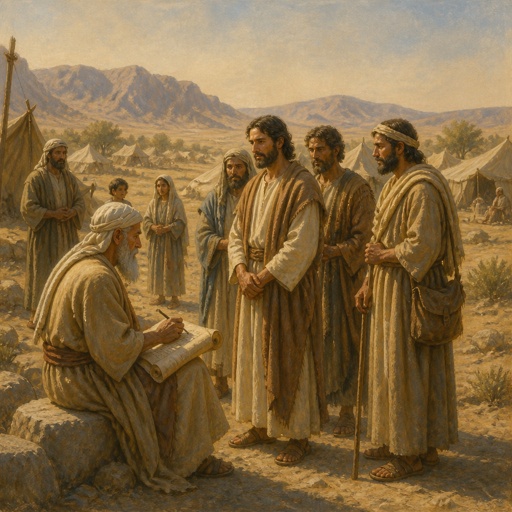
Inheritance issue with The daughters of Zelophehad in Numbers 27
"Those that were numbered of them, even of the tribe of Judah, were threescore and fourteen thousand and six hundred." - Numbers 1:27

Numbers 26:27 - "These are the families of the Zebulunites according to those that were numbered of them, threescore thousand and five hundred."

Numbers 10:27 - "And over the host of the tribe of the children of Naphtali was Ahira the son of Enan."

Numbers 29:27 - "And their meat offering and their drink offerings for the bullocks, for the rams, and for the lambs, shall be according to their number, after the manner:"

Numbers 6:27 - "And they shall put my name upon the children of Israel; and I will bless them."

Numbers 27:16 - "Let the LORD, the God of the spirits of all flesh, set a man over the congregation,"

Numbers 27:9 - "And if he have no daughter, then ye shall give his inheritance unto his brethren."

Numbers 3:27 - "¶ And of Kohath was the family of the Amramites, and the family of the Izeharites, and the family of the Hebronites, and the family of the Uzzielites: these are the families of the Kohathites."

Numbers 7:27 - "One young bullock, one ram, one lamb of the first year, for a burnt offering:"

Numbers 21:27 - "Wherefore they that speak in proverbs say, Come into Heshbon, let the city of Sihon be built and prepared:"

Numbers 20:27 - "And Moses did as the LORD commanded: and they went up into mount Hor in the sight of all the congregation."

Numbers 11:27 - "And there ran a young man, and told Moses, and said, Eldad and Medad do prophesy in the camp."

Numbers 27:10 - "And if he have no brethren, then ye shall give his inheritance unto his father's brethren."

Numbers 27:19 - "And set him before Eleazar the priest, and before all the congregation; and give him a charge in their sight."

"¶ And the LORD spake unto Moses, saying," - Numbers 27:6

"And they departed from Tahath, and pitched at Tarah." - Numbers 33:27

"And Moses brought their cause before the LORD." - Numbers 27:5

"¶ And Moses spake unto the LORD, saying," - Numbers 27:15

Numbers 2:27 - "And those that encamp by him shall be the tribe of Asher: and the captain of the children of Asher shall be Pagiel the son of Ocran."