The Weight of Touching Death: A Call to Holiness
"Whosoever toucheth the dead body of any man that is dead, and purifieth not himself, defileth the tabernacle of the LORD; and that soul shall be cut off from Israel: because the water of separation was not sprinkled upon him, he shall be unclean; his uncleanness is yet upon him." - Numbers 19:13
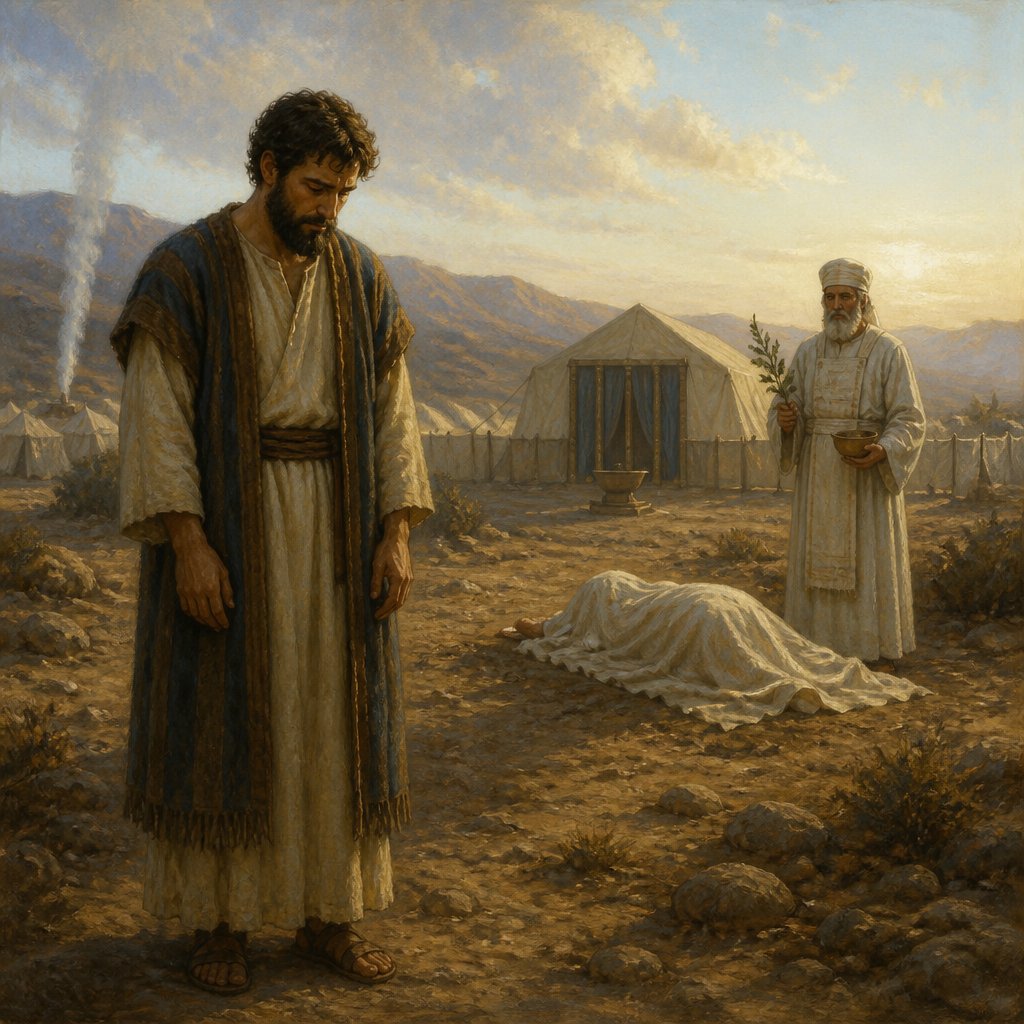
The Bible verse Numbers 19:13 reminds us profoundly of the gravity of spiritual cleanliness and the implications of touching death – not just physically, but spiritually. It states, "Whosoever toucheth the dead body of any man that is dead, and purifieth not himself, defileth the tabernacle of the LORD; and that soul shall be cut off from Israel: because the water of separation was not sprinkled upon him, he shall be unclean; his uncleanness is yet upon him."
In reading this, we must recognize the historical and cultural context of this directive given to the Israelites as they wandered in the wilderness. The law conveyed through Moses reflects a standard of holiness expected by God for His people. Death, being the ultimate symbol of sin’s curse in this world, brings about a significant spiritual and physical contamination not only to the individual but also to the community. To touch a corpse was not merely a physical act; it carried profound spiritual implications. It signifies a lapse into a state considered unclean, which would require purification to restore one's standing before God and the community.
This directive stands as an important reminder of our need for spiritual purification. Just as ancient Israel needed to maintain a distance from death to remain in right relationship with God, we too are called to steer clear of anything that represents death in our spiritual journeys. What do we touch daily that leads us toward spiritual death? What influences, habits, or sins seep into our lives and defile our spiritual state?
In Matthew 23:27, Jesus emphasizes this same theme of inward cleanliness versus outward appearances. He speaks of the Pharisees, calling them "whited sepulchres, which indeed appear beautiful outward, but are within full of dead men's bones, and of all uncleanness." Here again, we see that being near the dead, symbolizing disobedience or unholiness, can corrupt our inner being and affect our relationship with God.
The concept of water for separation in Numbers reflects the need for cleansing that God enjoins upon His people. Christ, our living water, fulfills this requirement for us in a magnificent way. When we place our faith in Him, His blood sprinkles us clean from all unrighteousness (1 John 1:7). Yet, this act of divine cleansing does not remove our responsibility to pursue holiness actively. Paul calls believers in Romans 12:1 to present their bodies as living sacrifices, holy and acceptable unto God, which is our reasonable service. It marks a critical understanding: that though we are made clean by Christ’s redemptive work, we are still called to walk in purity and holiness.
When we lose a loved one, or encounter death in any form, it’s easy to become embroiled in despair or spiritual stagnation; we must be vigilant. We must consciously choose to turn our grief and encounters with worldly mortality toward Christ, who can give hope beyond the grave. We must engage in practices that lead toward purification—prayer, reading the Word, and staying connected with a community of believers can all help us navigate through the shadows of loss and keep us from being spiritually unclean.
In our contemporary lives, let us not forget the ramifications of what we allow to touch our lives. Just as touching a dead body meant physical uncleanness, so too can we become spiritually stained by sin, negativity, and deathly influences. Numbers 19:13 warns us that such uncleanness can sever us from God’s presence, symbolically cutting us off from the community of faith.
Let’s contemplate the areas in our lives that require divine cleansing and commit to embracing the holiness that God desires for us. Embrace the living water of Christ, and let it flow over you, washing away the remnants of death and bringing you into a fuller, richer relationship with the Lord. Aim to touch life, safety, and purity, which ultimately leads to deeper communion with God, extending His grace to others trapped in spiritual death.
Want to reflect more on Numbers 19:13?
Continue your spiritual journey with Bible Chat — an AI-powered tool for exploring God's Word through conversation. Ask questions, discover connections, and deepen your understanding.
Get Our Apps


Numbers 19:13 Artwork
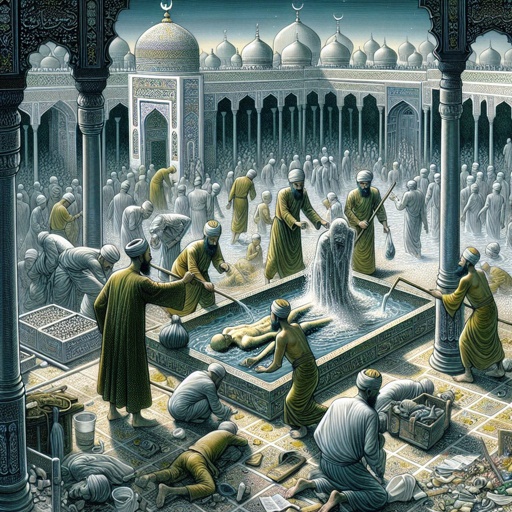
Numbers 19:13 - "Whosoever toucheth the dead body of any man that is dead, and purifieth not himself, defileth the tabernacle of the LORD; and that soul shall be cut off from Israel: because the water of separation was not sprinkled upon him, he shall be unclean; his uncleanness is yet upon him."
"Whosoever toucheth the dead body of any man that is dead, and purifieth not himself, defileth the tabernacle of the LORD; and that soul shall be cut off from Israel: because the water of separation was not sprinkled upon him, he shall be unclean; his uncleanness is yet upon him." - Numbers 19:13

Numbers 13:19 - "And what the land is that they dwell in, whether it be good or bad; and what cities they be that they dwell in, whether in tents, or in strong holds;"
"And what the land is that they dwell in, whether it be good or bad; and what cities they be that they dwell in, whether in tents, or in strong holds;" - Numbers 13:19

Numbers 13:13 - "Of the tribe of Asher, Sethur the son of Michael."

Numbers 19:14-19 Touching a dead is unclean

Luke 13:18-19

Luke 13:18-19

Numbers 1:19 - "As the LORD commanded Moses, so he numbered them in the wilderness of Sinai."

Numbers 21:19 - "And from Mattanah to Nahaliel: and from Nahaliel to Bamoth:"

Numbers 33:19 - "And they departed from Rithmah, and pitched at Rimmon-parez."

Numbers 23:1-13

Numbers 1:13 - "Of Asher; Pagiel the son of Ocran."

"Of the tribe of Asher, Sethur the son of Michael." - Numbers 13:13

Numbers 3:19 - "And the sons of Kohath by their families; Amram, and Izehar, Hebron, and Uzziel."

Numbers 34:19 - "And the names of the men are these: Of the tribe of Judah, Caleb the son of Jephunneh."

Numbers 19:1 - "And the LORD spake unto Moses and unto Aaron, saying,"

Genesis 19-13

Numbers 2:19 - "And his host, and those that were numbered of them, were forty thousand and five hundred."

Numbers 13:6 - "Of the tribe of Judah, Caleb the son of Jephunneh."

Numbers 13:10 - "Of the tribe of Zebulun, Gaddiel the son of Sodi."

Numbers 33:13 - "And they departed from Dophkah, and encamped in Alush."

Numbers 13:8 - "Of the tribe of Ephraim, Oshea the son of Nun."

Numbers 13:9 - "Of the tribe of Benjamin, Palti the son of Raphu."

Numbers 13:5 - "Of the tribe of Simeon, Shaphat the son of Hori."

Numbers 13:1 - "And the LORD spake unto Moses, saying,"

Numbers 13:15 - "Of the tribe of Gad, Geuel the son of Machi."

Numbers 13:12 - "Of the tribe of Dan, Ammiel the son of Gemalli."

Numbers 13:7 - "Of the tribe of Issachar, Igal the son of Joseph."

Numbers 13:14 - "Of the tribe of Naphtali, Nahbi the son of Vophsi."