The Cleansing of Ashes: A Deeper Reflection on Redemption and Ritual
"And he that gathereth the ashes of the heifer shall wash his clothes, and be unclean until the even: and it shall be unto the children of Israel, and unto the stranger that sojourneth among them, for a statute for ever." - Numbers 19:10
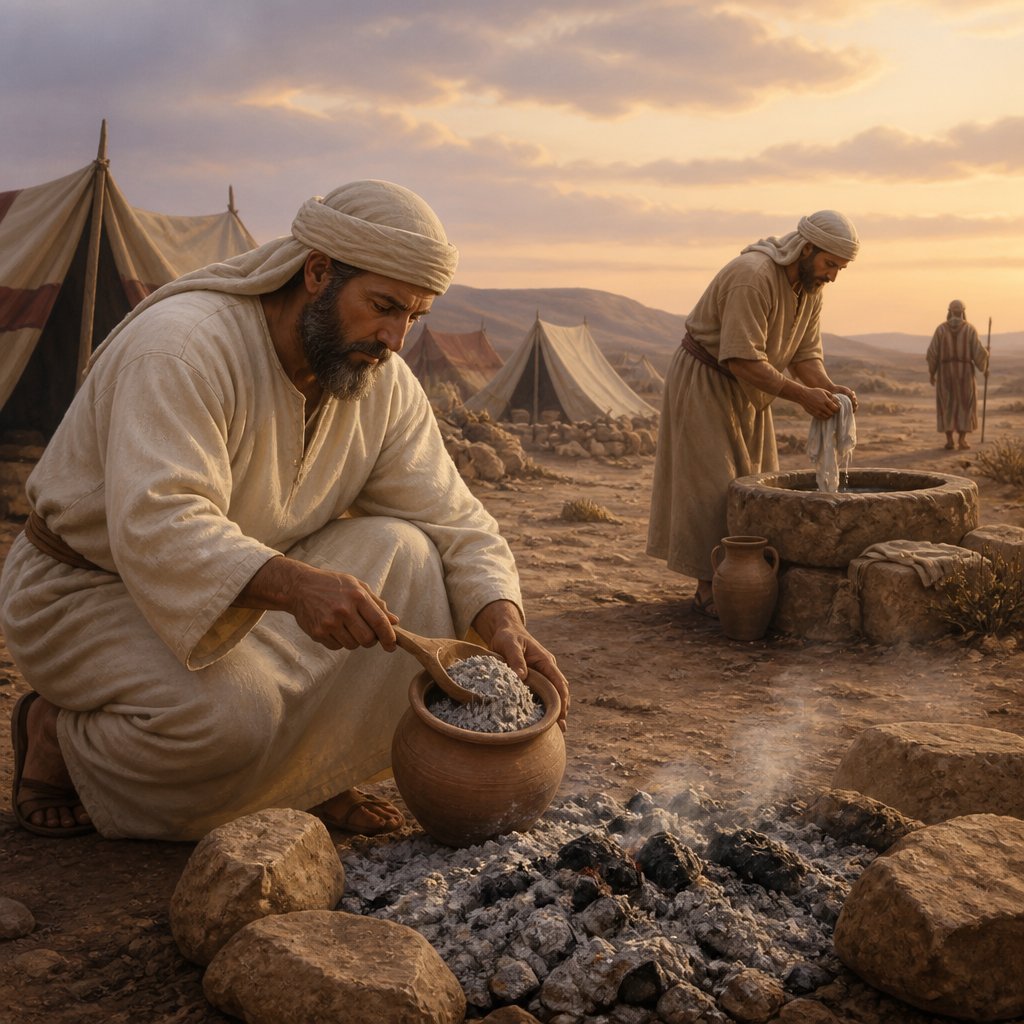
In the book of Numbers 19:10, we read, "And he that gathereth the ashes of the heifer shall wash his clothes, and be unclean until the even: and it shall be unto the children of Israel, and unto the stranger that sojourneth among them, for a statute for ever" (KJV). This verse appears within a broader context of the law regarding purification and atonement, particularly focusing on the red heifer's ashes used in ritual purification after encountering death, a profound representation of sin and its consequences. As we delve into this verse and its implications, we begin to recognize layers of meaning that can guide and challenge our spiritual walk today.
The ashes of the heifer symbolize not only the seriousness of sin — which leads to death — but also the merciful provision God made to allow for purification. In ancient Israel, contact with death rendered someone ceremonially unclean, thus necessitating a rigorous process to regain standing within the community and before God. The law prescribed gathering the ashes of the red heifer and using them in a water mixture for sprinkling on those who had been made unclean. This ritual was a way for the Israelites to physically and spiritually cleanse themselves, demonstrating that God has not abandoned them even in their failures.
The act of washing one’s clothes after gathering the ashes signifies a crucial step in the purification process. Clothes in biblical times represented more than just a physical covering; they were a symbol of identity and status. To be unclean until the evening reinforces the notion that holiness requires intentional acknowledgment and action. It requires time spent away from societal engagement and an understanding of one’s need for God’s cleansing power. This notion transcends cultures and generations, providing a timeless principle: holiness and wholeness in our lives require us to recognize our shortcomings and take deliberate steps toward restoration.
The phrase "it shall be unto the children of Israel, and unto the stranger that sojourneth among them" speaks to God’s inclusive nature. The statute is not just for the people of Israel but extends to the foreigners living among them, indicating that God's grace and cleansing are available to all, regardless of nationality or status. This aspect of God's law highlights an essential principle of our faith: redemption and purification through Christ are universal gifts. Just as ancient Israel was charged with ensuring purity among their ranks, we, too, are called to extend grace and welcome to others as we actively participate in God's redemptive story.
In applying these principles to our lives, we must confront the reality of spiritual impurity. While the rituals associated with the ashes of the heifer are no longer required under the New Covenant instituted by Christ, the essence of seeking purification and redemption remains. We encounter daily situations similar to gathering ashes — moments that remind us of our frailties, failures, and the need for washings of our hearts and minds. How readily do we engage in self-reflection, allowing God’s Spirit to unearth unconfessed sins or neglected responsibilities? Like the one who gathers the ashes, there is a weight associated with approaching God for cleansing even when it seems daunting.
Furthermore, as we consider our relationships with others, we should remember that we are called to assist one another in this process of spiritual restoration. We must wash one another’s feet metaphorically, as Jesus did, by offering forgiveness, support, and guidance in recognizing when we need to shed the uncleanliness that sin brings into our lives. Every action we take toward restoration is a reminder of the incredible sacrifice of Jesus as our ultimate cleansing agent — the one whose blood purges the ashes of our spiritual deadness.
In the end, the call from Numbers 19:10 beckons us toward an ongoing pursuit of holiness, sensitivity to our need for cleansing, openness to living in community with both believers and strangers, and an awareness of the gracious God who invites us all to be made clean. Just as the ashes pointed to a deeper ritual, let us also seek the deeper truths that lie beneath our surface, continually washing our clothes to reflect the purity afforded us through Christ.
Want to reflect more on Numbers 19:10?
Continue your spiritual journey with Bible Chat — an AI-powered tool for exploring God's Word through conversation. Ask questions, discover connections, and deepen your understanding.
Get Our Apps


Numbers 19:10 Artwork

Numbers 19:10 - "And he that gathereth the ashes of the heifer shall wash his clothes, and be unclean until the even: and it shall be unto the children of Israel, and unto the stranger that sojourneth among them, for a statute for ever."
"And he that gathereth the ashes of the heifer shall wash his clothes, and be unclean until the even: and it shall be unto the children of Israel, and unto the stranger that sojourneth among them, for a statute for ever." - Numbers 19:10

Numbers 10:19 - "And over the host of the tribe of the children of Simeon was Shelumiel the son of Zurishaddai."
"And over the host of the tribe of the children of Simeon was Shelumiel the son of Zurishaddai." - Numbers 10:19

"For the Son of man is come to seek and to save that which was lost." - Luke 19:10

Numbers 19:14-19 Touching a dead is unclean

Numbers 1:19 - "As the LORD commanded Moses, so he numbered them in the wilderness of Sinai."

Numbers 21:19 - "And from Mattanah to Nahaliel: and from Nahaliel to Bamoth:"

Numbers 33:19 - "And they departed from Rithmah, and pitched at Rimmon-parez."

Numbers 3:19 - "And the sons of Kohath by their families; Amram, and Izehar, Hebron, and Uzziel."

Numbers 34:19 - "And the names of the men are these: Of the tribe of Judah, Caleb the son of Jephunneh."

Numbers 19:1 - "And the LORD spake unto Moses and unto Aaron, saying,"

Luke 10:18-19

Luke 10:18-19

Luke 10:18-19

Luke 10:17-19

Numbers 2:19 - "And his host, and those that were numbered of them, were forty thousand and five hundred."

Luke 10:18-19

Luke 10:18-19

Luke 10:18-19

Luke 10:17-19

Numbers 19:15 - "And every open vessel, which hath no covering bound upon it, is unclean."

Numbers 13:10 - "Of the tribe of Zebulun, Gaddiel the son of Sodi."

Luke 19:10

Genesis 19-10

Numbers 10:1 - "And the LORD spake unto Moses, saying,"

Numbers 25:10 - "¶ And the LORD spake unto Moses, saying,"

Numbers 19:11 - "¶ He that toucheth the dead body of any man shall be unclean seven days."

Numbers 26:19 - "¶ The sons of Judah were Er and Onan: and Er and Onan died in the land of Canaan."

Numbers 21:10 - "¶ And the children of Israel set forward, and pitched in Oboth."