Offering Our Best: A Sacred Responsibility
"And ye shall bear no sin by reason of it, when ye have heaved from it the best of it: neither shall ye pollute the holy things of the children of Israel, lest ye die." - Numbers 18:32
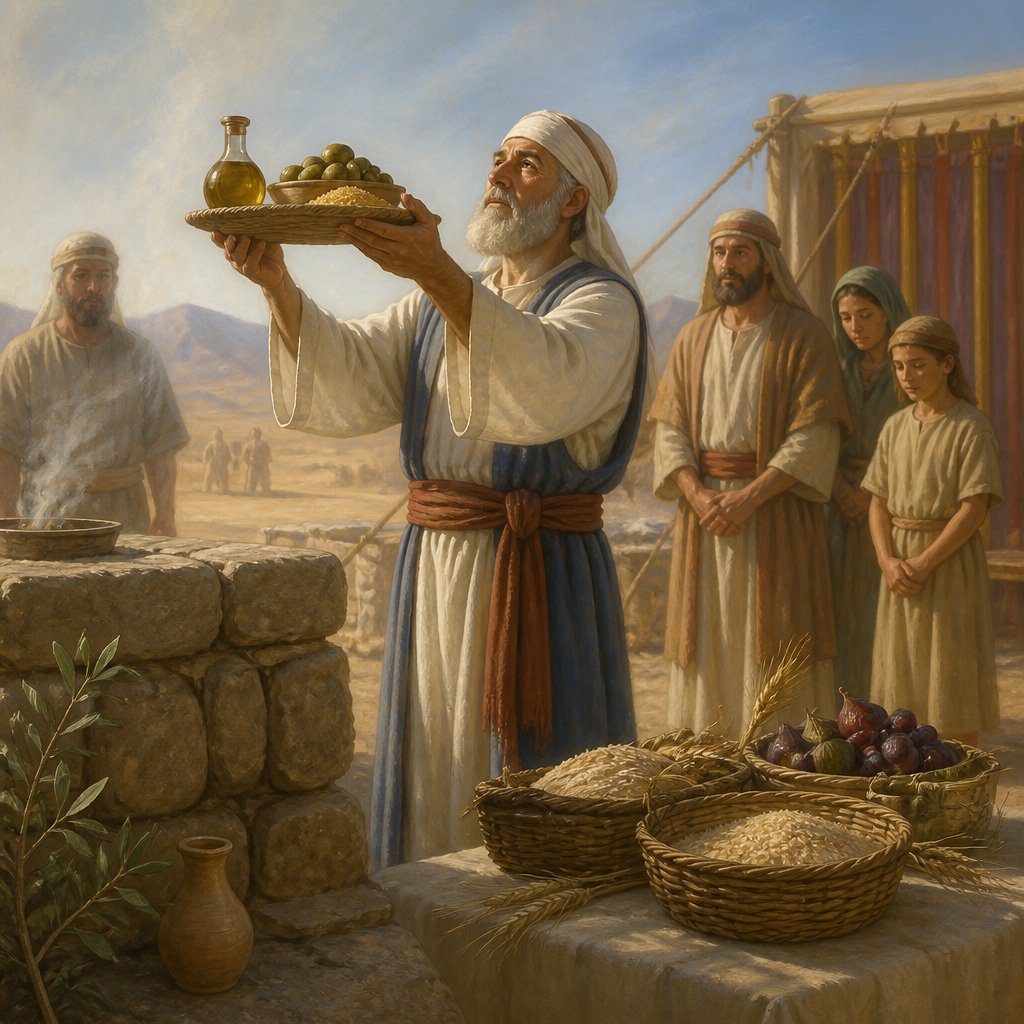
In the book of Numbers, chapter 18, verse 32 states, "And ye shall bear no sin by reason of it, when ye have heaved from it the best of it: neither shall ye pollute the holy things of the children of Israel, lest ye die." This scripture offers a profound insight into the nature of offerings, responsibilities, and the holiness that God demands from His people. It presents principles that are not just relevant to the ancient Israelites, but also resonate deeply with us today.
To understand this verse, we must first delve into the context provided in the surrounding chapters. The Israelites were given a structure for worship and sacrifice, where the Levites were appointed to perform sacred duties related to the tabernacle and the offerings made by the people. The concept of offering involved not only the physical act of giving but also the spiritual condition of the giver. This verse, therefore, highlights two critical aspects of our offerings: the quality of what we offer and the condition of our hearts in the process.
God, through Moses, makes it clear that only the best of the offerings must be presented. "When ye have heaved from it the best of it" is not merely a hollow instruction; rather, it reflects God's desire for us to give Him our best—our finest, our first fruits, and that which truly costs us something. In essence, we are called to honor God with the best that we have. This mirrors the sacrifices of Abel, whose offering was favored by God because it was brought with sincerity and respect, contrasting with Cain’s half-hearted offering.
Moreover, this verse emphasizes the need for purity in our offerings: "neither shall ye pollute the holy things of the children of Israel, lest ye die.” To pollute the holy things implies a lack of reverence and a disconnection from the holiness of God. In our modern context, this reminds us that our worship and offerings must be pure, devoid of the intent of selfishness or duty alone. When we approach God, whether through prayer, worship, or service, we must examine the state of our hearts. Are we genuinely offering ourselves to Him, or merely going through the motions? Are our gifts birthed from a desire to glorify God or are they overshadowed by our own agenda?
In today’s world, where many aspects of life vie for our attention and resources, how do we ensure that we are bearing no sin in our offerings? One way is through regular self-examination and prayer. Are there areas in our lives where we are holding back? Are there grudges, distractions, or a lackadaisical attitude that prevents us from giving our best? We must strive to clear these hindrances so that our relationship with God remains unclouded. It’s also crucial to acknowledge that while we strive to give our best, we are not perfect. There are times when we may fall short—this brings us back to the grace and mercy of God, who understands our human limitations.
Furthermore, the warning, "lest ye die," serves as a grave reminder of the seriousness of treating what is sacred with care. While this speaks to the ancient system of worship, it echoes in our spiritual walk—failing to honor God in our offerings can lead to spiritual death, a disconnect from our source of life. Let us not forget that in the New Testament, we, too, are called to be living sacrifices (Romans 12:1), devoted wholly to God.
As we consider what we bring to God—our time, talents, resources, and most importantly our hearts—let’s strive not only to give but to give our best. We must endeavor to present ourselves and our offerings in a spirit of holiness and reverence. Embrace the grace offered through Christ, who makes our imperfect offerings acceptable. Let this verse resonate in your heart, encouraging you to approach your relationship with God with intentionality and sincerity, always bearing in mind that what you offer reflects your love and commitment to Him.
Want to reflect more on Numbers 18:32?
Continue your spiritual journey with Bible Chat — an AI-powered tool for exploring God's Word through conversation. Ask questions, discover connections, and deepen your understanding.
Get Our Apps


Numbers 18:32 Artwork

Numbers 18:32 - "And ye shall bear no sin by reason of it, when ye have heaved from it the best of it: neither shall ye pollute the holy things of the children of Israel, lest ye die."
"And ye shall bear no sin by reason of it, when ye have heaved from it the best of it: neither shall ye pollute the holy things of the children of Israel, lest ye die." - Numbers 18:32
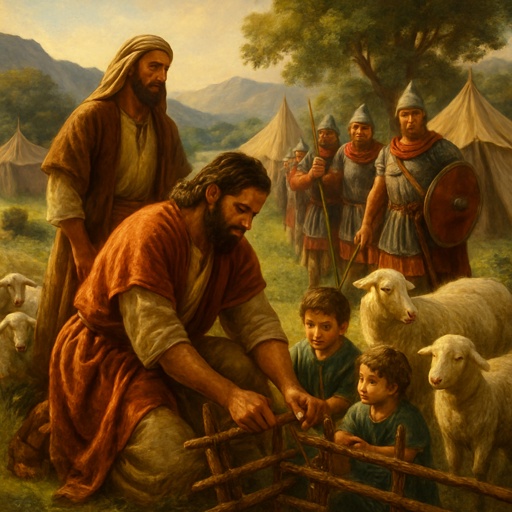
Numbers 32:16-18
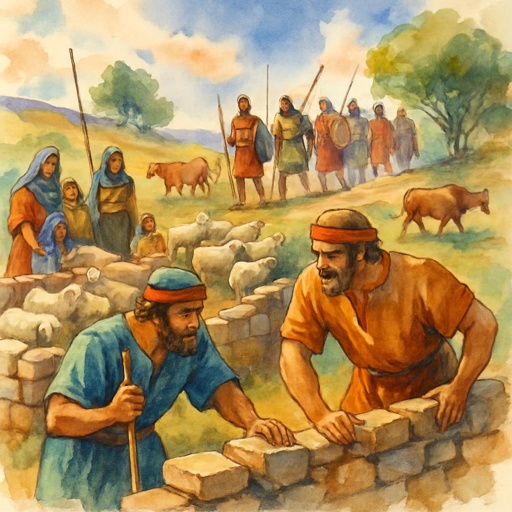
Numbers 32:16-18

Numbers 32:18 - "We will not return unto our houses, until the children of Israel have inherited every man his inheritance."

Numbers 32:33

Numbers 32:38
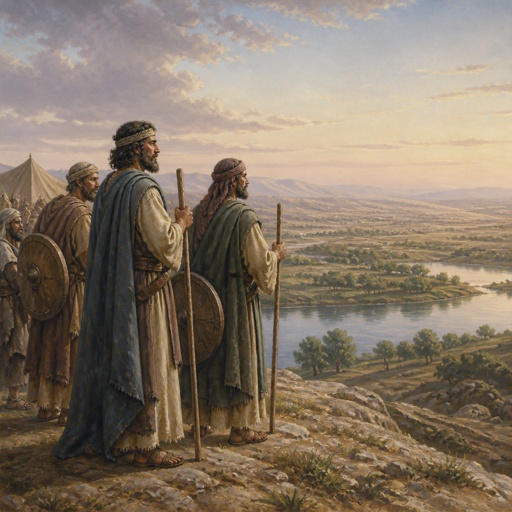
"We will not return unto our houses, until the children of Israel have inherited every man his inheritance." - Numbers 32:18

Numbers 32:35 - "And Atroth, Shophan, and Jaazer, and Jogbehah,"

Jeremiah 32:18

Genesis 18-32

Numbers 32:32 - "We will pass over armed before the LORD into the land of Canaan, that the possession of our inheritance on this side Jordan may be our's."

Numbers 14:32 - "But as for you, your carcases, they shall fall in this wilderness."

Numbers 32:37 - "And the children of Reuben built Heshbon, and Elealeh, and Kirjathaim,"

Numbers 26:32 - "And of Shemida, the family of the Shemidaites: and of Hepher, the family of the Hepherites."

Numbers 32:34 - "¶ And the children of Gad built Dibon, and Ataroth, and Aroer,"

Numbers 7:32 - "One golden spoon of ten shekels, full of incense:"

Numbers 33:32 - "And they removed from Bene-jaakan, and encamped at Hor-hagidgad."

Numbers 32:10 - "And the LORD'S anger was kindled the same time, and he sware, saying,"

Numbers 32:36 - "And Beth-nimrah, and Beth-haran, fenced cities: and folds for sheep."

Numbers 32:3 - "Ataroth, and Dibon, and Jazer, and Nimrah, and Heshbon, and Elealeh, and Shebam, and Nebo, and Beon,"

Draw map east of Jordan described in Numbers 32.

"And Atroth, Shophan, and Jaazer, and Jogbehah," - Numbers 32:35

Numbers 32:39 - "And the children of Machir the son of Manasseh went to Gilead, and took it, and dispossessed the Amorite which was in it."

"And Atroth, Shophan, and Jaazer, and Jogbehah," - Numbers 32:35

Numbers 32:40 - "And Moses gave Gilead unto Machir the son of Manasseh; and he dwelt therein."

Numbers 16:18

Numbers 32:30 - "But if they will not pass over with you armed, they shall have possessions among you in the land of Canaan."

Numbers 18:18 - "And the flesh of them shall be thine, as the wave breast and as the right shoulder are thine."

Numbers 21:32 - "And Moses sent to spy out Jaazer, and they took the villages thereof, and drove out the Amorites that were there."