A Grateful Offering: Feeding on God’s Abundance
"Then it shall be, that, when ye eat of the bread of the land, ye shall offer up an heave offering unto the LORD." - Numbers 15:19
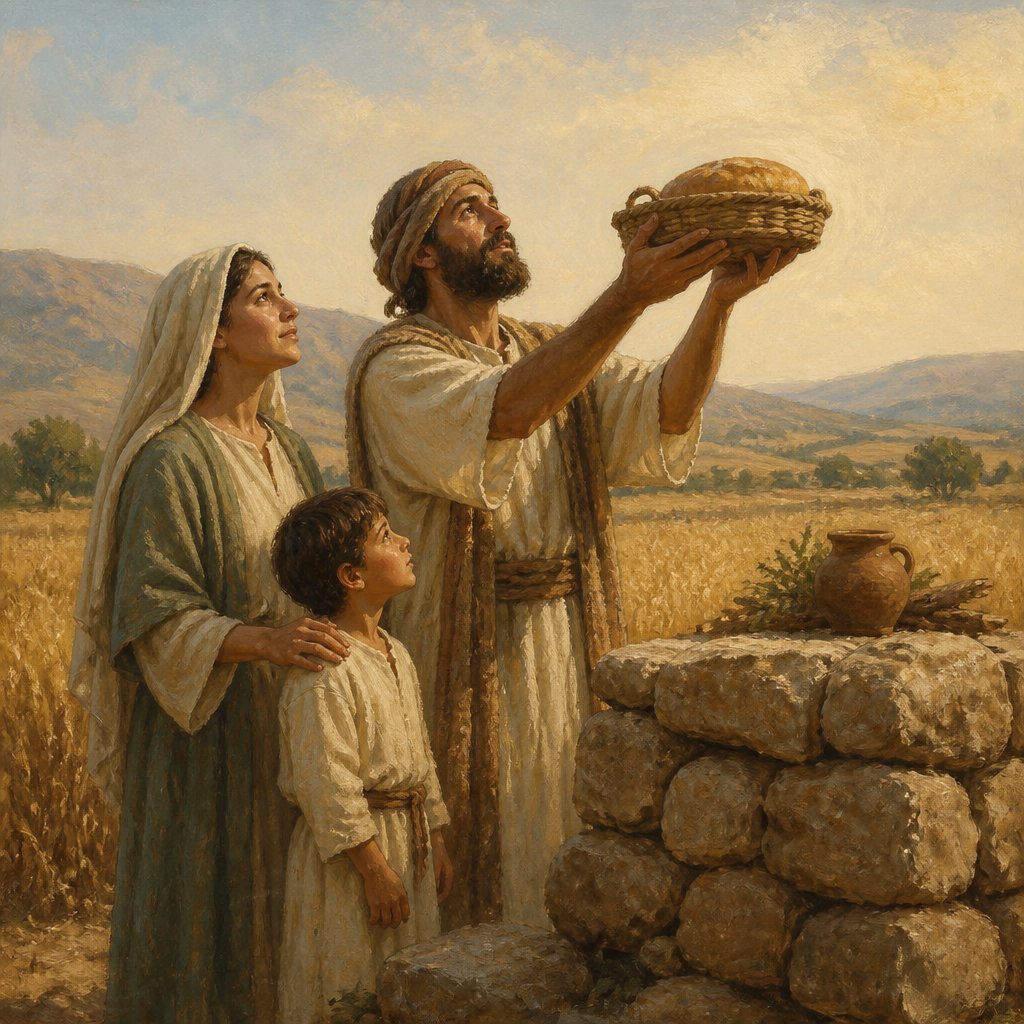
The verse Numbers 15:19 from the King James Version says, "Then it shall be, that, when ye eat of the bread of the land, ye shall offer up an heave offering unto the LORD." This scripture invites us to contemplate the profound relationship between our sustenance, our gratitude, and our responsibilities as stewards of the blessings that God has bestowed upon us.
In the context of the Israelites, this instruction was not merely a ceremonial duty; it was deeply woven into the fabric of their communal life and faith. For the people wandering in the wilderness and later inhabiting the promised land, bread was a fundamental staple. It represented life, sustenance, and the fulfillment of God's provision. Each meal was not just a means of nourishment but a reminder of God's ongoing grace—His faithfulness in providing for His people time and again.
When we partake of the "bread of the land," we are, in essence, consuming the gifts that God has generously placed in our lives. Every meal we enjoy, every morsel of bread, is a testament to God’s goodness, reminding us that we are not self-sufficient creatures but rather dependents on the Creator. The offering, or heave offering as mentioned, signifies our response to God’s generosity. It is an act of gratitude, recognizing that the blessings we enjoy are not solely for our consumption but should inspire a sense of responsibility towards giving back.
This act of offering can take many forms in our contemporary lives. It might involve sharing our financial resources with those in need or dedicating our time and talents to serve our communities. Perhaps it is as simple as acknowledging and giving thanks for the abundance we have before we dig into our meals. The act of offering reminds us that our lives should echo the principles of generosity and gratitude that our God exemplifies.
Moreover, the heave offering itself represents something deeper; it symbolizes lifting our provisions and our lives before God in acknowledgment of His sovereignty over all creation. We are called not just to give out of our abundance but to recognize that all we possess is a divine trust. When we "lift up" our offerings, we symbolically elevate our hearts and minds toward God, understanding that He is the source from which all blessings flow. As we prepare our meals or partake in the bounties of life, we should reflect on the ways God has enriched our lives and respond with a thankful heart.
As modern believers, we can illustrate this devotion in both our personal and communal practices. In family settings, saying grace before a meal can become an intentional act of remembrance and offering. In our churches and local communities, let us foster an environment where sharing and generosity are celebrated, allowing us to collectively acknowledge God’s graciousness in our lives.
When we establish the habit of offering back to God, we sharpen our awareness of His presence in every aspect of our lives. It fosters a spirit of gratitude in our hearts and helps us recognize that our lives are truly a reflection of His goodness and grace.
Moreover, offering our first fruits—whether it's our time, energy, or resources—creates a pattern of conduct that aligns our lives with God’s desires for us. Every act of kindness we demonstrate, every contribution we make to our community and every prayer we offer up collectively raises a spiritual heave offering unto the Lord.
So, let us, as we break bread, always remember to offer up our gratitude to the Lord. Let us partake and proclaim God’s faithfulness in our sustenance, acknowledging that as we eat from His bountiful hand, we are called not only to receive but to give back from what He has so graciously provided.
Want to reflect more on Numbers 15:19?
Continue your spiritual journey with Bible Chat — an AI-powered tool for exploring God's Word through conversation. Ask questions, discover connections, and deepen your understanding.
Get Our Apps


Numbers 15:19 Artwork

Numbers 15:19 - "Then it shall be, that, when ye eat of the bread of the land, ye shall offer up an heave offering unto the LORD."
"Then it shall be, that, when ye eat of the bread of the land, ye shall offer up an heave offering unto the LORD." - Numbers 15:19

Numbers 19:15 - "And every open vessel, which hath no covering bound upon it, is unclean."
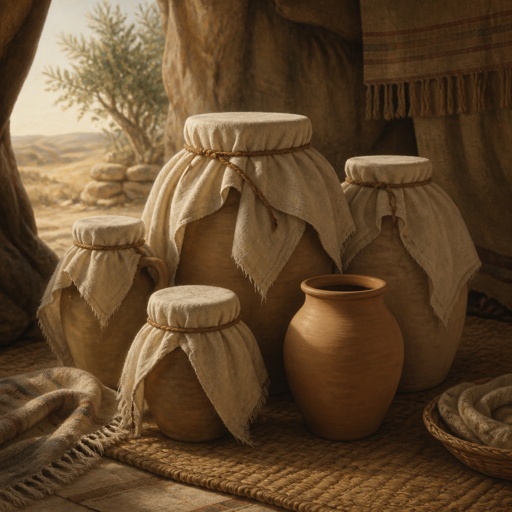
"And every open vessel, which hath no covering bound upon it, is unclean." - Numbers 19:15

Numbers 19:14-19 Touching a dead is unclean

Numbers 12 15

Numbers 11:15

Numbers 1:15 - "Of Naphtali; Ahira the son of Enan."

numbers 31:14-15

Numbers 1:19 - "As the LORD commanded Moses, so he numbered them in the wilderness of Sinai."

Numbers 21:19 - "And from Mattanah to Nahaliel: and from Nahaliel to Bamoth:"

Numbers 33:19 - "And they departed from Rithmah, and pitched at Rimmon-parez."

Numbers 27:15 - "¶ And Moses spake unto the LORD, saying,"

Numbers 15:17 - "¶ And the LORD spake unto Moses, saying,"

Numbers 15:37 - "¶ And the LORD spake unto Moses, saying,"

Genesis 15:19

Genesis 19-15

Numbers 3:19 - "And the sons of Kohath by their families; Amram, and Izehar, Hebron, and Uzziel."

Numbers 34:19 - "And the names of the men are these: Of the tribe of Judah, Caleb the son of Jephunneh."

Numbers 19:1 - "And the LORD spake unto Moses and unto Aaron, saying,"

Numbers 15:1 - "And the LORD spake unto Moses, saying,"

Numbers 13:15 - "Of the tribe of Gad, Geuel the son of Machi."

Numbers 2:19 - "And his host, and those that were numbered of them, were forty thousand and five hundred."

Numbers 10:19 - "And over the host of the tribe of the children of Simeon was Shelumiel the son of Zurishaddai."

Numbers 33:15 - "And they departed from Rephidim, and pitched in the wilderness of Sinai."

Genesis 15:19 - "The Kenites, and the Kenizzites, and the Kadmonites,"

John 21:15-19

Luke 21:15-19

Numbers 29:15 - "And a several tenth deal to each lamb of the fourteen lambs:"

Numbers 10:15 - "And over the host of the tribe of the children of Issachar was Nethaneel the son of Zuar."