Listening to the Divine Whisper
"And the LORD spake unto Moses, saying," - Numbers 10:1
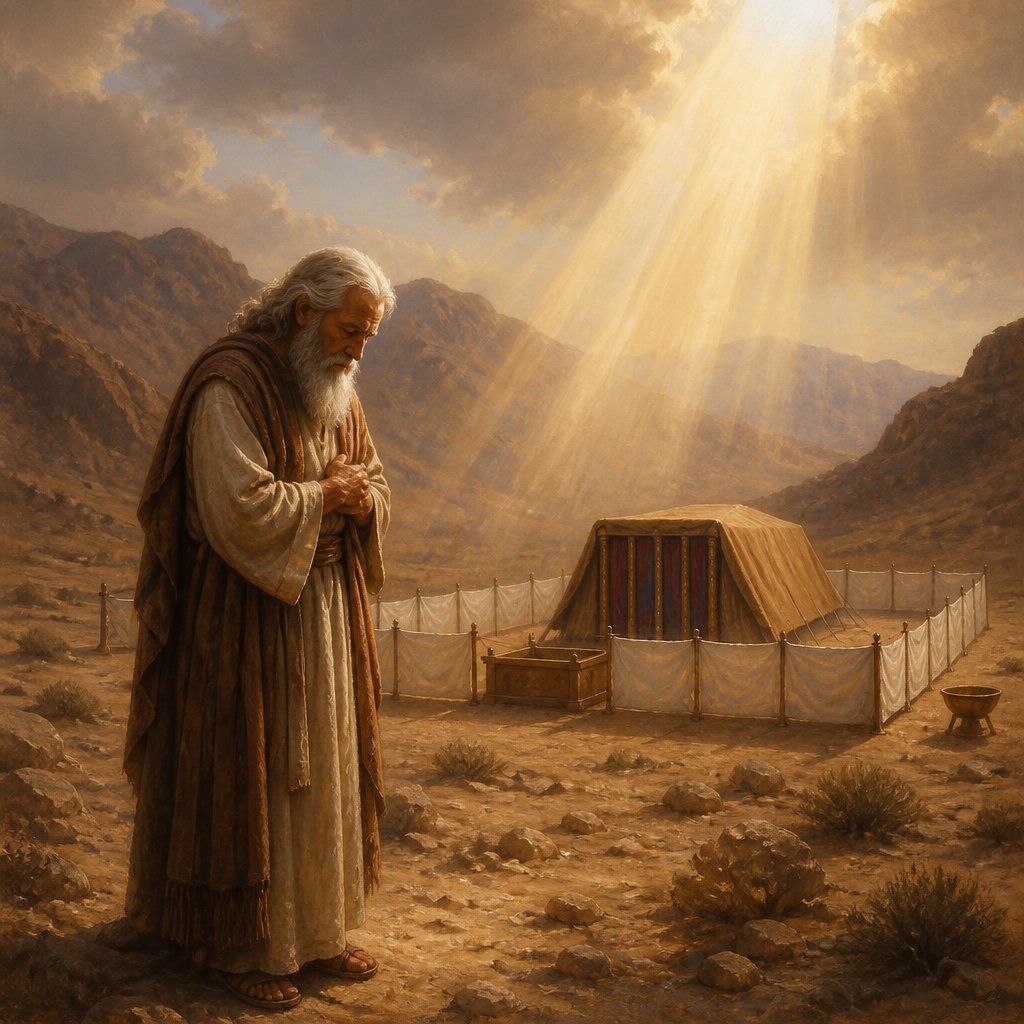
Numbers 10:1 states, "And the LORD spake unto Moses, saying." There is something profoundly significant about this simple yet powerful sentence. It encapsulates a moment of deep interaction between the Divine and humanity, highlighting the principle that God communicates with His chosen servants. In our busy and noisy world, where distractions abound, the divine whisper may often get lost. However, the call to listen remains ever relevant.
The context behind this verse is rooted in the Israelite journey through the wilderness, a time characterized by physical challenges and spiritual growth. God had chosen Moses to lead His people, and this divine communication was pivotal for guidance and instruction. The children of Israel were on a journey toward the Promised Land, and this verse marks a significant transition in that journey—a divine beckoning for direction and preparation.
As we reflect on this verse, it’s essential to recognize that God did not merely speak to Moses; He wanted Moses to understand His will and direction at critical junctures. Each word from God was laden with intention, purpose, and affection for His people. This interaction underscores a powerful truth: God is relational and desires to guide us through the various terrains of life. Just as He spoke to Moses, He is eager to communicate with each of us today.
In our spiritual walk, we might often seek grand manifestations of God’s presence, yet we must remember that often, His voice comes as a whisper—a quiet urging in our spirit that prompts us when we seek guidance. In the hustle of life, when the noise of our circumstances so often drowns out God's voice, we are reminded to quiet our hearts and seek God in stillness. Psalm 46:10 beckons us to "Be still, and know that I am God." It is in the stillness that we truly hear Him speaking.
Listening is not passive; it involves engagement and an openness to receive what God is saying. Just as Moses prepared himself to listen to the Lord’s instructions, we are called to prepare our hearts and minds. This preparation can take many forms: prayer, reading Scripture, meditation, and ensuring our environment is conducive to hearing from God. Even when we engage in daily tasks, we must cultivate an attitude of receptiveness—acknowledging that God can speak to us in unexpected ways.
Additionally, God’s instructions can carry a weight of responsibility; they are not merely guidelines but a call to action. In the passage that follows this verse in Numbers, the Lord gives Moses instructions on setting the order of the camp, signaling the importance of organization and unity among the Israelites. Thus, divine communication is often both personal and communal, guiding us not only in individual aspects of our lives but also in how we relate to and serve others.
As we contemplate God’s voice, it is also essential to recognize that God's communication may challenge us. He may call us to act in faith when we feel hesitant, to forgive when we prefer to hold onto grudges, or to step out of our comfort zones to lead others toward Him. Just as God spoke to Moses with challenges, victory often waits on the other side of obedience.
In closing, may we take inspiration from Numbers 10:1 and be attentive to God’s voice in our lives. In a world clamoring for our attention, let us remember that the Creator of the universe longs to connect with us daily. When we embrace reverence in our listening and respond with an open heart, we align ourselves with His purpose, just as Moses did. So, let us cultivate the discipline of listening, believing that every whisper from God holds the potential to transform our lives and the lives of those around us.
Want to reflect more on Numbers 10:1?
Continue your spiritual journey with Bible Chat — an AI-powered tool for exploring God's Word through conversation. Ask questions, discover connections, and deepen your understanding.
Get Our Apps


Numbers 10:1 Artwork

Numbers 10:1 - "And the LORD spake unto Moses, saying,"
"And the LORD spake unto Moses, saying," - Numbers 10:1

"Create a detailed and artistic mosaic image that depicts various scenes from the biblical book of Numbers (Bamidbar) chapters 8:1 to 12:1. The image should be divided into sections, each representing different events within these chapters, in a style that reflects traditional Jewish art and avoids Christian or Catholic imagery. Numbers 8:1-4: Show the lighting of the Menorah in the Tabernacle (Mishkan). Aaron, the High Priest, should be lighting the Menorah. Ensure that the seven-branched Menorah is prominently displayed. Numbers 8:5-26: Depict the consecration of the Levites (Leviím). Show the Levites being presented before the Tent of Meeting, having their heads shaved and being sprinkled with purifying water. Include elements such as offerings and the elders of Israel laying their hands on the Levites. Numbers 9:1-14: Illustrate the Israelites observing the Passover (Pesach) in the wilderness. Show families gathered around the Passover meal, with symbols of matzah and lamb. Also, include the people who were impure because of contact with a dead body and how they are consulting Moses about observing the Passover later. Numbers 9:15-23: Display the cloud covering the Tabernacle by day and the appearance of fire by night. Show the Israelites encamped around the Tabernacle, with their tents in the background, and the divine cloud and fire above. Numbers 10:1-10: Illustrate the making and use of the silver trumpets (chatzotzrot). Show the priests blowing the trumpets to signal the Israelites' movements and gather the assembly. Numbers 10:11-36: Depict the Israelites setting out from the wilderness of Sinai, following the cloud of the Lord. Show the ark of the covenant being carried by the Levites, leading the people. Numbers 11:1-35: Portray the incidents of the people's complaints and God's provision of quail. Include scenes of the people gathering quail and a representation of the fire that consumed some of the camp due to their complaints. Show Moses speaking to God, but ensure Moses' face is not visible. Numbers 12:1: Show the scene where Miriam and Aaron speak against Moses because of the Cushite woman he had married. Depict Miriam and Aaron in discussion, but do not show Moses' face. The entire mosaic should be harmonious and cohesive, with no individual faces of Moses visible and no words or numbers in the artwork. The style should reflect traditional Jewish artistic sensibilities and avoid any Christian or Catholic symbols."

"Create a detailed and artistic mosaic image that depicts various scenes from the biblical book of Numbers (Bamidbar) chapters 8:1 to 12:1. The image should be divided into sections, each representing different events within these chapters, in a style that reflects traditional Jewish art and avoids Christian or Catholic imagery. Numbers 8:1-4: Show the lighting of the Menorah in the Tabernacle (Mishkan). Aaron, the High Priest, should be lighting the Menorah. Ensure that the seven-branched Menorah is prominently displayed. Numbers 8:5-26: Depict the consecration of the Levites (Leviím). Show the Levites being presented before the Tent of Meeting, having their heads shaved and being sprinkled with purifying water. Include elements such as offerings and the elders of Israel laying their hands on the Levites. Numbers 9:1-14: Illustrate the Israelites observing the Passover (Pesach) in the wilderness. Show families gathered around the Passover meal, with symbols of matzah and lamb. Also, include the people who were impure because of contact with a dead body and how they are consulting Moses about observing the Passover later. Numbers 9:15-23: Display the cloud covering the Tabernacle by day and the appearance of fire by night. Show the Israelites encamped around the Tabernacle, with their tents in the background, and the divine cloud and fire above. Numbers 10:1-10: Illustrate the making and use of the silver trumpets (chatzotzrot). Show the priests blowing the trumpets to signal the Israelites' movements and gather the assembly. Numbers 10:11-36: Depict the Israelites setting out from the wilderness of Sinai, following the cloud of the Lord. Show the ark of the covenant being carried by the Levites, leading the people. Numbers 11:1-35: Portray the incidents of the people's complaints and God's provision of quail. Include scenes of the people gathering quail and a representation of the fire that consumed some of the camp due to their complaints. Show Moses speaking to God, but ensure Moses' face is not visible. Numbers 12:1: Show the scene where Miriam and Aaron speak against Moses because of the Cushite woman he had married. Depict Miriam and Aaron in discussion, but do not show Moses' face. The entire mosaic should be harmonious and cohesive, with no individual faces of Moses visible and no words or numbers in the artwork. The style should reflect traditional Jewish artistic sensibilities and avoid any Christian or Catholic symbols."

Numbers 1:10 - "Of the children of Joseph: of Ephraim; Elishama the son of Ammihud: of Manasseh; Gamaliel the son of Pedahzur."
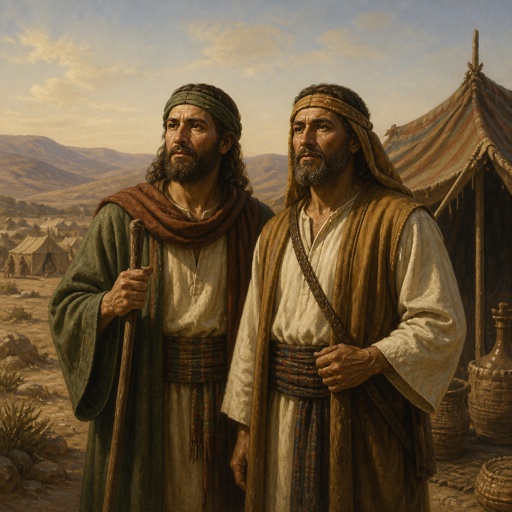
"Of the children of Joseph: of Ephraim; Elishama the son of Ammihud: of Manasseh; Gamaliel the son of Pedahzur." - Numbers 1:10

Numbers 13:10 - "Of the tribe of Zebulun, Gaddiel the son of Sodi."

Numbers 25:10 - "¶ And the LORD spake unto Moses, saying,"

Numbers 21:10 - "¶ And the children of Israel set forward, and pitched in Oboth."

Numbers 33:10 - "And they removed from Elim, and encamped by the Red sea."

Numbers 10:26 - "And over the host of the tribe of the children of Asher was Pagiel the son of Ocran."

Numbers 10:19 - "And over the host of the tribe of the children of Simeon was Shelumiel the son of Zurishaddai."

Numbers 10:15 - "And over the host of the tribe of the children of Issachar was Nethaneel the son of Zuar."

Numbers 32:10 - "And the LORD'S anger was kindled the same time, and he sware, saying,"

Numbers 10:23 - "And over the host of the tribe of the children of Manasseh was Gamaliel the son of Pedahzur."

Numbers 29:10 - "A several tenth deal for one lamb, throughout the seven lambs:"

Numbers 36:10 - "Even as the LORD commanded Moses, so did the daughters of Zelophehad:"

Numbers 10:27 - "And over the host of the tribe of the children of Naphtali was Ahira the son of Enan."
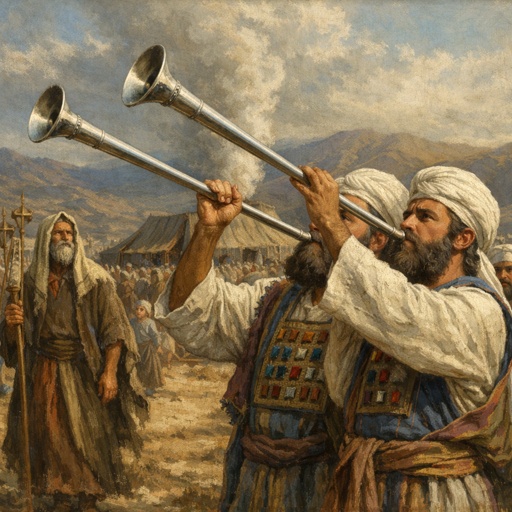
Blowing of the 2 silver trumpets of Numbers 10

Numbers 10:13 - "And they first took their journey according to the commandment of the LORD by the hand of Moses."

Numbers 10:16 - "And over the host of the tribe of the children of Zebulun was Eliab the son of Helon."

Numbers 10:20 - "And over the host of the tribe of the children of Gad was Eliasaph the son of Deuel."

Numbers 10:24 - "And over the host of the tribe of the children of Benjamin was Abidan the son of Gideoni."

Numbers 31:10 - "And they burnt all their cities wherein they dwelt, and all their goodly castles, with fire."

Numbers 10:34 - "And the cloud of the LORD was upon them by day, when they went out of the camp."
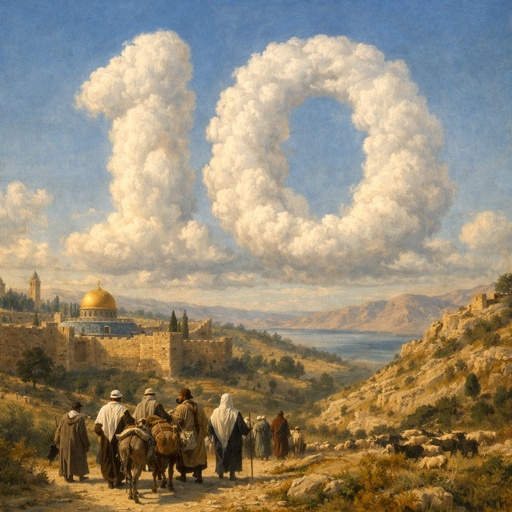
Israel set out and follow the cloud numbers 10

Numbers 30:10 - "And if she vowed in her husband's house, or bound her soul by a bond with an oath;"

Numbers 10:28 - "Thus were the journeyings of the children of Israel according to their armies, when they set forward."

"Mishmannah the fourth, Jeremiah the fifth," - 1 Chronicles 12:10
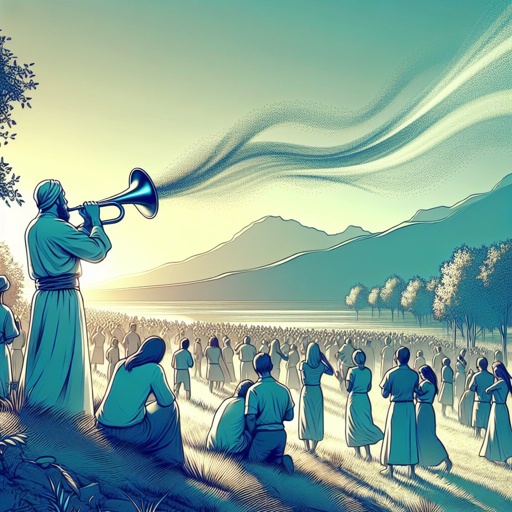
Numbers 10:7 - "But when the congregation is to be gathered together, ye shall blow, but ye shall not sound an alarm."