Restoration through Names: The Children of Elam
"The children of Elam, a thousand two hundred fifty and four." - Nehemiah 7:12
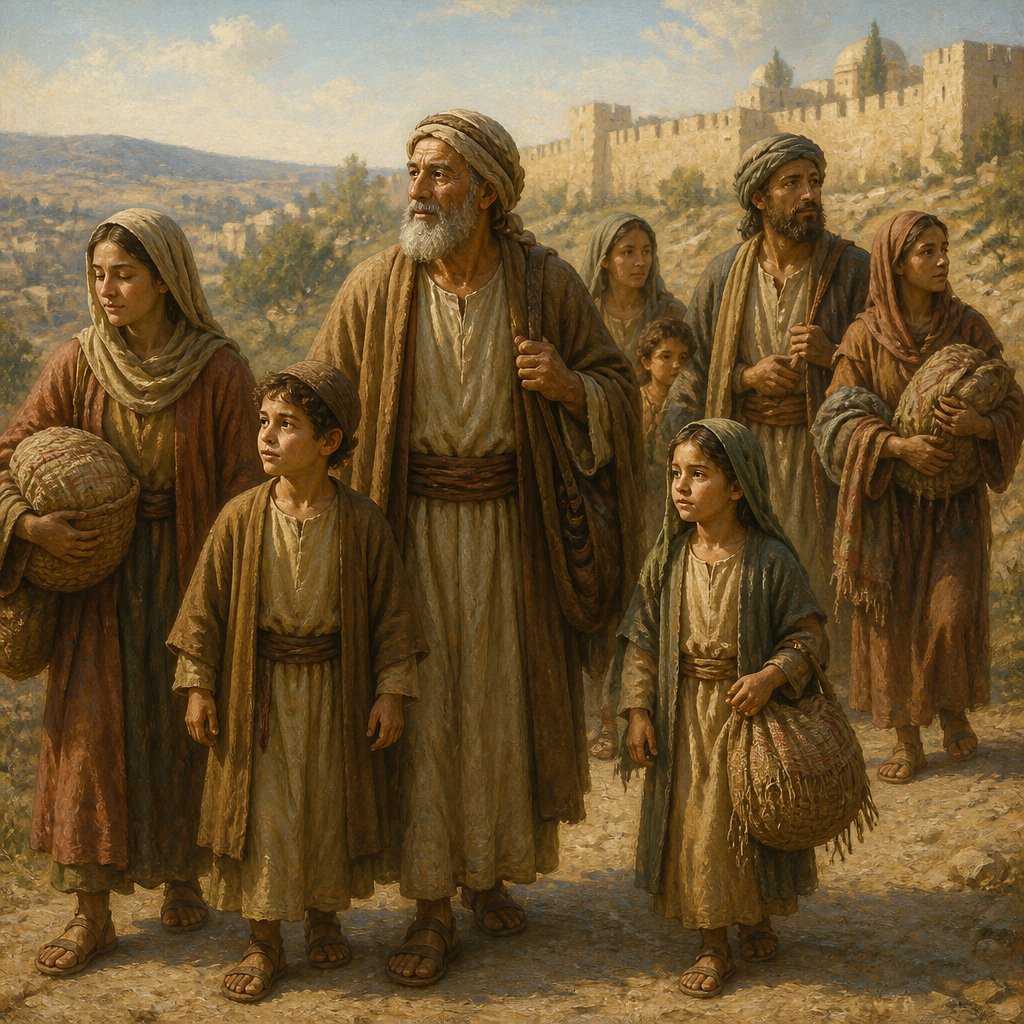
Nehemiah 7:12 (KJV) states, “The children of Elam, a thousand two hundred fifty and four.” At first glance, this verse appears to be a simple enumeration of numbers, a dry statistic within the genealogical listings that litter the pages of our holy text. Yet, upon closer inspection, we find ourselves drawn into the richness of God's sovereignty and the profound significance of each name recorded in this ancient book of restoration.
The context of Nehemiah recounts the pivotal moment when the exiled people of Israel returned to Jerusalem to rebuild the city and restore their lives after years of captivity. Here, Nehemiah undertook the monumental task of repopulating the city with those who had a heart to restore their heritage and their relationship with God. The people of Elam are not simply a numeric representation but a testament to God's faithfulness to His promises. Examining this verse illustrates not only the physical restoration of a city but the spiritual restoration of a people called to His name.
Elam, being a region located east of Babylon, represents the diverse identities of the Israelites who were brought together for a common purpose. The listing of the children of Elam reminds us that God sees individuals, acknowledges their backgrounds, and includes them in His grand narrative. Each number represents a unique story of struggle, resilience, and ultimately, redemption. The children of Elam, numbering 1,254, were included in this sacred journey back to their home after years of exile. Their presence in the assembly is a direct reflection of God’s desire to reconcile His people, to restore their sense of belonging, and to reclaim their rightful inheritance.
As we meditate on this seemingly simple verse, we are invited to reflect on our own lives. How often do we see ourselves merely as numbers or statistics in the grand narrative of humanity? In a world that often seeks to reduce individuals to their social status, economic contributions, or external appearances, we must remember that each person is indelibly valued and known by God. Just as the children of Elam were counted and remembered, we are called by name. Each of us has a role in God’s plan and a part to play in the unfolding story of His kingdom.
Furthermore, the act of counting the children of Elam embodies the essence of community. God’s kingdom is a kingdom built upon relationships; it thrives on the support, collaboration, and experiences shared among its members. The children of Elam did not return alone; they returned as a family, a community united in a shared mission. Each name on that list represents someone’s journey, their hardships, and triumphs. In our churches, in our families, and in our communities, we need to recognize and uplift each other, ensuring that every individual feels seen, heard, and valued.
The return of the children of Elam also serves as a powerful reminder that God is not finished with us yet. The numbers signify hope – a count of those who dared to go back to their roots and engage with the work of restoration. No matter how distant we may feel from God or how desolate our circumstances might seem, we can take comfort in knowing that He calls us back into relationship with Him and with one another. Just as the children of Elam were called to rebuild Jerusalem, we are also called to rebuild in our lives, our relationships, and our communities, carrying the spirit of restoration in our hearts.
As we conclude our meditation, let us embrace the truth that every name, every story, every heart matters to God. In the rich tapestry of His creation, He meticulously weaves together our narratives, leading us back into His embrace and uniting us in purpose. The children of Elam remind us that we are not wandering in this life alone; we are part of a greater fellowship, called to support and uplift one another, as we collectively pursue restoration in every aspect of our existence. Let us exist as lights in the world, echoing God’s call to love, restore, and transform.
Want to reflect more on Nehemiah 7:12?
Continue your spiritual journey with Bible Chat — an AI-powered tool for exploring God's Word through conversation. Ask questions, discover connections, and deepen your understanding.
Get Our Apps


Nehemiah 7:12 Artwork

Nehemiah 7:12 - "The children of Elam, a thousand two hundred fifty and four."
"The children of Elam, a thousand two hundred fifty and four." - Nehemiah 7:12

Nehemiah 12:7 - "Sallu, Amok, Hilkiah, Jedaiah. These were the chief of the priests and of their brethren in the days of Jeshua."
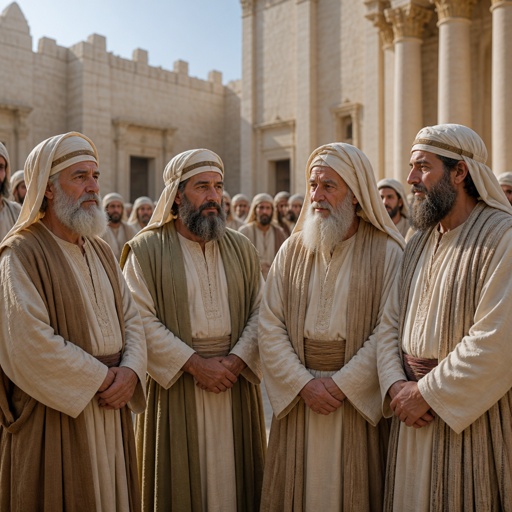
"Sallu, Amok, Hilkiah, Jedaiah. These were the chief of the priests and of their brethren in the days of Jeshua." - Nehemiah 12:7

Nehemiah 7:7 - "Who came with Zerubbabel, Jeshua, Nehemiah, Azariah, Raamiah, Nahamani, Mordecai, Bilshan, Mispereth, Bigvai, Nehum, Baanah. The number, I say, of the men of the people of Israel was this;"

Nehemiah 12:26 - "These were in the days of Joiakim the son of Jeshua, the son of Jozadak, and in the days of Nehemiah the governor, and of Ezra the priest, the scribe."

Nehemiah 12:5 - "Miamin, Maadiah, Bilgah,"

Nehemiah 12:33 - "And Azariah, Ezra, and Meshullam,"

Nehemiah 12:4 - "Iddo, Ginnetho, Abijah,"

Nehemiah 12:2 - "Amariah, Malluch, Hattush,"

Nehemiah 12:3 - "Shechaniah, Rehum, Meremoth,"

Nehemiah 10:12 - "Zaccur, Sherebiah, Shebaniah,"

Nehemiah 12:6 - "Shemaiah, and Joiarib, Jedaiah,"

Nehemiah 12:12 - "And in the days of Joiakim were priests, the chief of the fathers: of Seraiah, Meraiah; of Jeremiah, Hananiah;"

Nehemiah 12:13 - "Of Ezra, Meshullam; of Amariah, Jehohanan;"

Nehemiah 12:16 - "Of Iddo, Zechariah; of Ginnethon, Meshullam;"

Nehemiah 12:20 - "Of Sallai, Kallai; of Amok, Eber;"

Nehemiah 12:19 - "And of Joiarib, Mattenai; of Jedaiah, Uzzi;"

Nehemiah 12:34 - "Judah, and Benjamin, and Shemaiah, and Jeremiah,"

Nehemiah 12:15 - "Of Harim, Adna; of Meraioth, Helkai;"

Nehemiah 12:18 - "Of Bilgah, Shammua; of Shemaiah, Jehonathan;"

Nehemiah 12:21 - "Of Hilkiah, Hashabiah; of Jedaiah, Nethaneel."

Nehemiah 12:14 - "Of Melicu, Jonathan; of Shebaniah, Joseph;"

Nehemiah 10:7 - "Meshullam, Abijah, Mijamin,"

Nehemiah 12:17 - "Of Abijah, Zichri; of Miniamin, of Moadiah, Piltai;"

Nehemiah 7:42 - "The children of Harim, a thousand and seventeen."

Nehemiah 7:24 - "The children of Hariph, an hundred and twelve."

Nehemiah 7:56 - "The children of Neziah, the children of Hatipha."

Nehemiah 7:25 - "The children of Gibeon, ninety and five."

Nehemiah 12:11 - "And Joiada begat Jonathan, and Jonathan begat Jaddua."