A Heart of Repentance: Embracing Restoration Through Confession
"We have dealt very corruptly against thee, and have not kept the commandments, nor the statutes, nor the judgments, which thou commandedst thy servant Moses." - Nehemiah 1:7
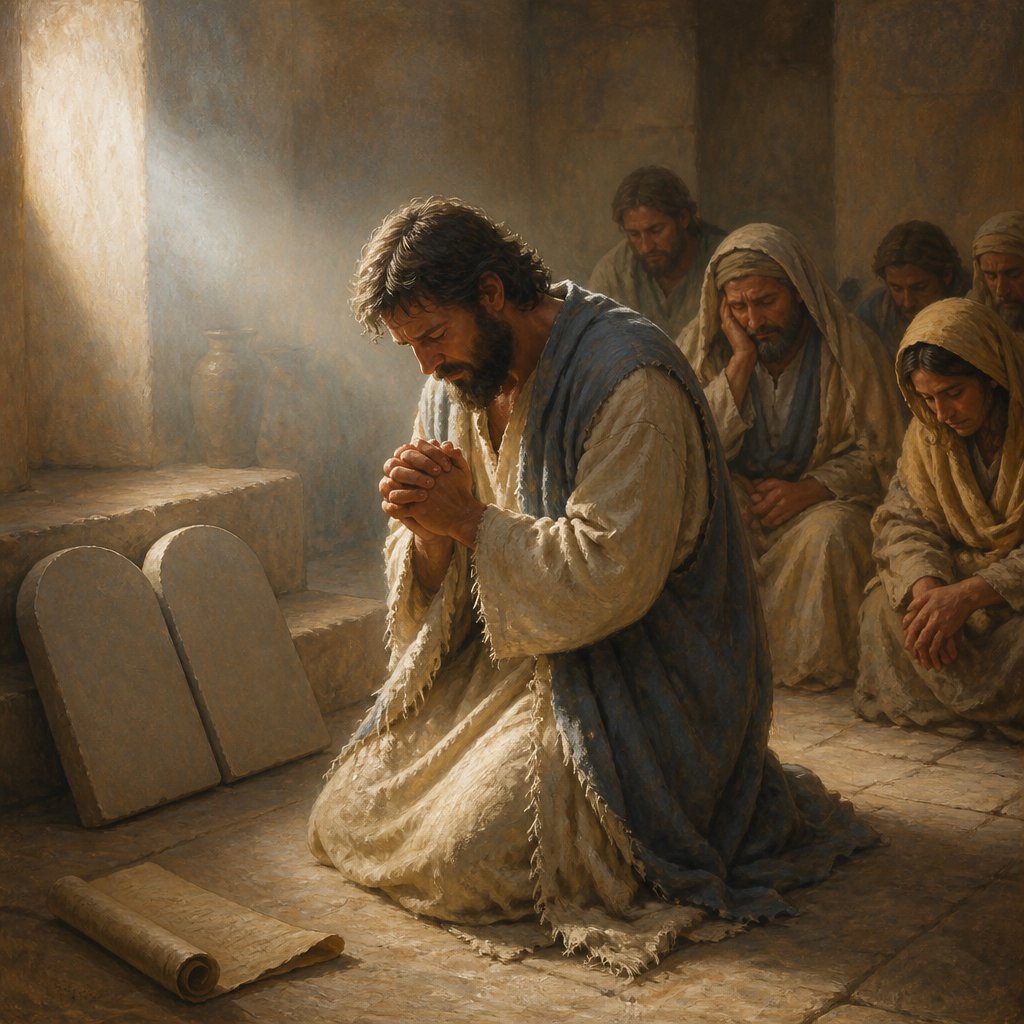
In the book of Nehemiah, chapter 1, verse 7 (KJV) we read: "We have dealt very corruptly against thee, and have not kept the commandments, nor the statutes, nor the judgments, which thou commandedst thy servant Moses." On the surface, this is a straightforward acknowledgment of failure, yet within it lies a profound lesson on the power of repentance and the path to restoration.
To fully appreciate the weight of Nehemiah’s declaration, we must first understand the context in which it was spoken. Nehemiah, a cupbearer to the king of Persia, receives troubling news about the plight of his fellow Jews in Jerusalem. They are suffering, their city is in ruins, and the walls—once a symbol of God’s protection—are broken down. This news ignites a deep sorrow in Nehemiah’s heart, compelling him to cry out to God. Nehemiah's prayer is steeped in humility and acknowledgment of collective sin, a stark reminder of the recurring theme of disobedience in Israel's history.
In his confession, Nehemiah does not focus solely on the failings of others; instead, he includes himself and his people in the acknowledgment of their corruption. By saying, "we have dealt very corruptly against thee," Nehemiah first underscores the relational aspect of sin. Sin is not merely a violation of law; it is a breach of relationship with the Almighty God. When we understand sin in this light, we see that every act of disobedience is a step away from the life-giving presence of God.
Nehemiah’s mention of the commandments, statutes, and judgments that were commanded unto Moses serves as a powerful reminder of the standards set by God. The laws given to Israel were not mere rules; they were guidelines leading to life's fullness and blessing. When Israel turned away from God’s commands, they did not merely incur divine wrath but chose a path that led to suffering and hardship. This draws us into a vital reflection on our lives: how often do we neglect the divine principles set forth in Scripture? Are there areas of our lives where we have chosen to walk contrary to God’s directives, perhaps out of convenience, ignorance, or sheer rebellion?
True repentance involves both recognition and a change of heart. As Nehemiah confesses his and his people’s wrongdoing, he positions himself before God as an intercessor. In chapter 1, verses 5-6, he opens his prayer with adoration for God’s greatness and mercy before presenting his petitions. This is a model for how we should approach God in our lives. Confession should lead us to a response of prayer that invites God’s mercy, reminding us of His nature as a forgiving God who yearns for our return.
Furthermore, Nehemiah’s recognition of their corruption emphasizes that repentance isn’t just a one-time act. It is a continual posture of the heart, where we regularly invite the Holy Spirit to reveal areas of our lives that do not align with God's Word. It prompts us to take inventory of our actions and consider how we can return to faithful obedience. The act of confessing our sins and shortcomings lays the groundwork for our transformation.
In applying Nehemiah 1:7 to our lives, we are called to examine how our actions may distance us from God’s chosen paths. God is always prepared to welcome us back into His embrace when we repent. Our hope lies in the restorative power of His grace, where our confessions pave the way for renewal and revival. Let us not shy away from confessing our failures before God; instead, let us take courage to come forward, knowing that He desires our hearts to be aligned with Him. Reinforced by Nehemiah’s example, may we find peace in the truth that while we all have sinned and fallen short, God’s mercy is unfathomable.
Therefore, in moments of despair, keep in mind that our confessions lead to healing and restoration. As we vocalize our failures, let us remember the promise of God’s faithfulness to forgive and restore. Let this verse from Nehemiah not serve as mere historical account but a practical call to align our lives with His commands and receive the blessings of living in His presence.
Want to reflect more on Nehemiah 1:7?
Continue your spiritual journey with Bible Chat — an AI-powered tool for exploring God's Word through conversation. Ask questions, discover connections, and deepen your understanding.
Get Our Apps


Nehemiah 1:7 Artwork

Nehemiah 1:7 - "We have dealt very corruptly against thee, and have not kept the commandments, nor the statutes, nor the judgments, which thou commandedst thy servant Moses."

"We have dealt very corruptly against thee, and have not kept the commandments, nor the statutes, nor the judgments, which thou commandedst thy servant Moses." - Nehemiah 1:7

Nehemiah 7:7 - "Who came with Zerubbabel, Jeshua, Nehemiah, Azariah, Raamiah, Nahamani, Mordecai, Bilshan, Mispereth, Bigvai, Nehum, Baanah. The number, I say, of the men of the people of Israel was this;"

Nehemiah 7:1 - "Now it came to pass, when the wall was built, and I had set up the doors, and the porters and the singers and the Levites were appointed,"

Nehemiah 10:7 - "Meshullam, Abijah, Mijamin,"

Nehemiah 7:42 - "The children of Harim, a thousand and seventeen."

Nehemiah 7:24 - "The children of Hariph, an hundred and twelve."

Nehemiah 7:56 - "The children of Neziah, the children of Hatipha."

Nehemiah 7:25 - "The children of Gibeon, ninety and five."

Nehemiah 7:40 - "The children of Immer, a thousand fifty and two."

Nehemiah 7:31 - "The men of Michmas, an hundred and twenty and two."

Nehemiah 7:33 - "The men of the other Nebo, fifty and two."

Nehemiah 7:28 - "The men of Beth-azmaveth, forty and two."

Nehemiah 7:21 - "The children of Ater of Hezekiah, ninety and eight."

Nehemiah 7:14 - "The children of Zaccai, seven hundred and threescore."

Nehemiah 7:27 - "The men of Anathoth, an hundred twenty and eight."

Nehemiah 7:35 - "The children of Harim, three hundred and twenty."

Nehemiah 7:16 - "The children of Bebai, six hundred twenty and eight."

Nehemiah 7:58 - "The children of Jaala, the children of Darkon, the children of Giddel,"

Nehemiah 7:9 - "The children of Shephatiah, three hundred seventy and two."

Nehemiah 7:48 - "The children of Lebana, the children of Hagaba, the children of Shalmai,"

Nehemiah 7:15 - "The children of Binnui, six hundred forty and eight."

Nehemiah 7:19 - "The children of Bigvai, two thousand threescore and seven."

Nehemiah 7:44 - "¶ The singers: the children of Asaph, an hundred forty and eight."

Nehemiah 7:13 - "The children of Zattu, eight hundred forty and five."

Nehemiah 7:18 - "The children of Adonikam, six hundred threescore and seven."

Nehemiah 7:49 - "The children of Hanan, the children of Giddel, the children of Gahar,"

Nehemiah 7:55 - "The children of Barkos, the children of Sisera, the children of Tamah,"

Nehemiah 7:20 - "The children of Adin, six hundred fifty and five."

Nehemiah 1:1 - "The words of Nehemiah the son of Hachaliah. And it came to pass in the month Chisleu, in the twentieth year, as I was in Shushan the palace,"