Faithful Stewardship in Challenging Times
"Of Melicu, Jonathan; of Shebaniah, Joseph;" - Nehemiah 12:14
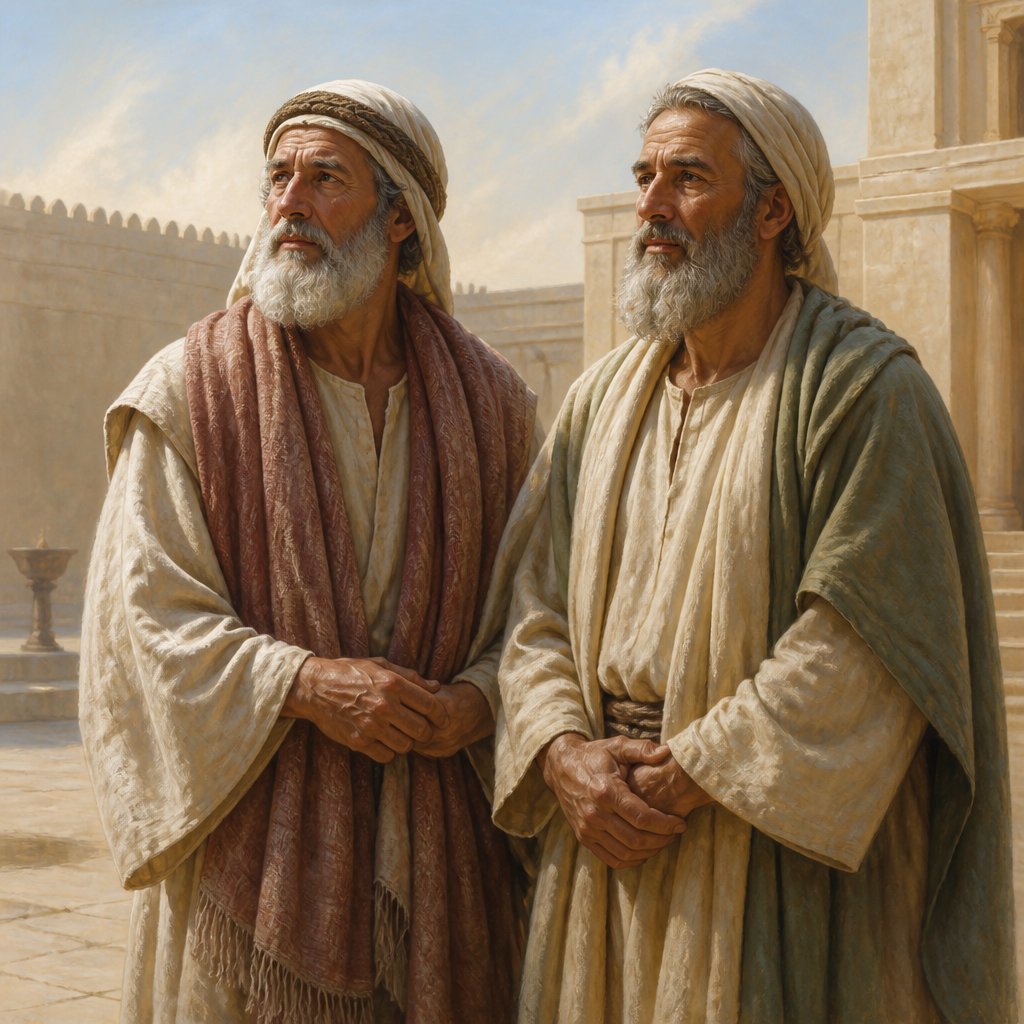
The Old Testament book of Nehemiah is a profound narrative woven around themes of restoration, leadership, and community. The verse Nehemiah 12:14 reads: "Of Melicu, Jonathan; of Shebaniah, Joseph;" (KJV). While these names may seem obscure, they represent more than mere historical figures—they symbolize the faithfulness of individuals in the pursuit of God’s work.
The context of Nehemiah’s story is key to understanding this verse. After the exile, God’s people returned to Jerusalem. This wasn’t just a reclamation of land; it was a restoration of their identity and covenant with God. Nehemiah emerged as a leader willing to confront his own fears and face challenges head-on. The rebuilding of the walls of Jerusalem was a monumental task that required dedication and unity among the people.
In chapter 12, we encounter the names of the priests and Levites who played a pivotal role in the rebirth of community worship. The specificity of names in this chapter reminds us that in the work of God, no one is too insignificant. Each individual served a purpose, and each name carries weight and meaning. Melicu and Shebaniah, though seemingly minor characters, represent the countless everyday believers who commit to serving faithfully behind the scenes. Their contributions were essential in the spiritual revival of Israel.
When we reflect on Melicu and Shebaniah, we can ask ourselves: "Who am I in God’s grand narrative?" It is easy to feel overshadowed by the magnitudes of historical figures or contemporary leaders. Yet, God delights in using ordinary individuals to accomplish extraordinary tasks. Each one of us has a role to play. It is not about recognition but about the faithfulness to answer the call to serve, just as Jonathan and Joseph did.
Another important aspect of this verse is found within the spirit of collective effort. Nehemiah didn’t rebuild the walls alone; he gathered a multitude of people, encouraging them to contribute their unique skills for the common goal. This collaborative spirit mirrors the church today, where diverse gifts and talents come together for a shared mission. In a world often divided by trivial differences, we have the opportunity to link arms and work collectively toward a common purpose.
“Of Melicu, Jonathan; of Shebaniah, Joseph;” signals not just the names of two men but reflects the unity of the people of Israel in their collective worship and dedication to God. The act of rebuilding the walls was also an act of rebuilding faith. Each name contributes to the narrative that these men stood in the gap, serving faithfully in difficult times. It begs the question: are we willing to serve in our communities despite the challenges?
Today, as we navigate our personal “walls” that may need rebuilding—relationships, spiritual life, or vocation—we can take inspiration from these faithful servants. The desire to worship and serve God amid distress and uncertainty is a testament to faith. Like Melicu and Shebaniah, your name may not be in lights, but your impact is significant. God sees the sacrifices made in His name.
Finally, this verse reminds us of the importance of remembrance. The Israelites brought forward their history and heritage before God. Similarly, we are called to remember our own testimonies, the moments God has moved in our lives. As we recount these stories, they embolden our faith and deepen our reliance on Him. Together, let us commit to being names that represent a faithful community, always ready to respond to God’s calling and serve with joy.
In conclusion, Nehemiah 12:14 serves as a rallying cry for all believers to remember that our roles matter. Like Melicu and Shebaniah, each of us is part of a grand tapestry that God is weaving. Let us endeavor to live lives of faithful stewardship, ready to lift each other up as we work towards the restoration of our communities and our relationship with God.
Want to reflect more on Nehemiah 12:14?
Continue your spiritual journey with Bible Chat — an AI-powered tool for exploring God's Word through conversation. Ask questions, discover connections, and deepen your understanding.
Get Our Apps


Nehemiah 12:14 Artwork

Nehemiah 12:14 - "Of Melicu, Jonathan; of Shebaniah, Joseph;"
"Of Melicu, Jonathan; of Shebaniah, Joseph;" - Nehemiah 12:14

Nehemiah 12:26 - "These were in the days of Joiakim the son of Jeshua, the son of Jozadak, and in the days of Nehemiah the governor, and of Ezra the priest, the scribe."

Nehemiah 11:11-14

Nehemiah 12:33 - "And Azariah, Ezra, and Meshullam,"

Nehemiah 12:5 - "Miamin, Maadiah, Bilgah,"

Nehemiah 12:2 - "Amariah, Malluch, Hattush,"

Nehemiah 12:4 - "Iddo, Ginnetho, Abijah,"

Nehemiah 12:3 - "Shechaniah, Rehum, Meremoth,"

Nehemiah 10:12 - "Zaccur, Sherebiah, Shebaniah,"

Nehemiah 12:6 - "Shemaiah, and Joiarib, Jedaiah,"

Nehemiah 12:12 - "And in the days of Joiakim were priests, the chief of the fathers: of Seraiah, Meraiah; of Jeremiah, Hananiah;"

Nehemiah 12:16 - "Of Iddo, Zechariah; of Ginnethon, Meshullam;"

Nehemiah 12:13 - "Of Ezra, Meshullam; of Amariah, Jehohanan;"

Nehemiah 12:20 - "Of Sallai, Kallai; of Amok, Eber;"

Nehemiah 12:19 - "And of Joiarib, Mattenai; of Jedaiah, Uzzi;"

Nehemiah 12:34 - "Judah, and Benjamin, and Shemaiah, and Jeremiah,"

Nehemiah 12:15 - "Of Harim, Adna; of Meraioth, Helkai;"

Nehemiah 12:18 - "Of Bilgah, Shammua; of Shemaiah, Jehonathan;"

Nehemiah 12:21 - "Of Hilkiah, Hashabiah; of Jedaiah, Nethaneel."

Nehemiah 7:14 - "The children of Zaccai, seven hundred and threescore."

Nehemiah 12:17 - "Of Abijah, Zichri; of Miniamin, of Moadiah, Piltai;"

Nehemiah 12:11 - "And Joiada begat Jonathan, and Jonathan begat Jaddua."

Nehemiah 7:12 - "The children of Elam, a thousand two hundred fifty and four."

Nehemiah 12:32 - "And after them went Hoshaiah, and half of the princes of Judah,"

Nehemiah 10:14 - "The chief of the people; Parosh, Pahath-moab, Elam, Zatthu, Bani,"

"Miamin, Maadiah, Bilgah," - Nehemiah 12:5

"Shemaiah, and Joiarib, Jedaiah," - Nehemiah 12:6

"Zaccur, Sherebiah, Shebaniah," - Nehemiah 10:12

"Iddo, Ginnetho, Abijah," - Nehemiah 12:4