Faithful Commitment: Lessons from Nehemiah 10:25
"Rehum, Hashabnah, Maaseiah," - Nehemiah 10:25
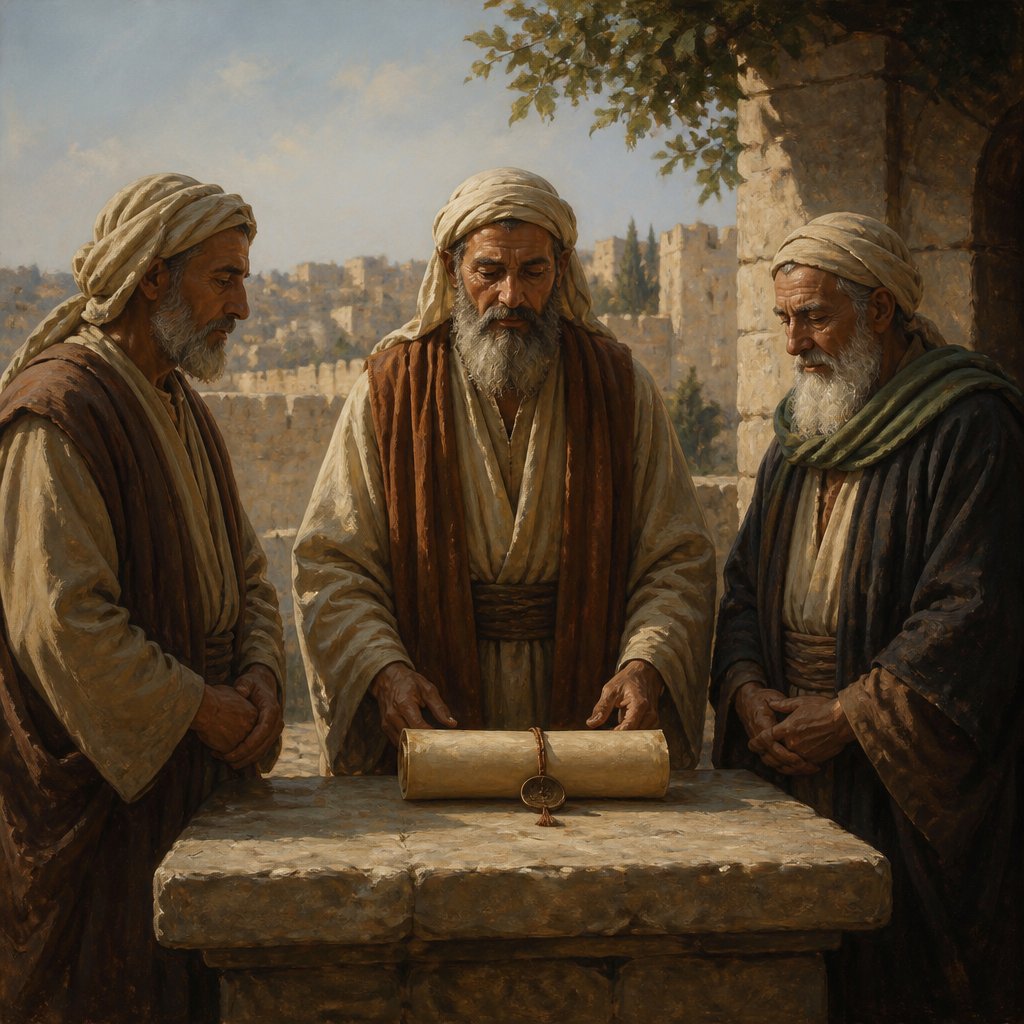
In the annals of biblical history, we find a profound narrative woven through the book of Nehemiah, particularly highlighted in Nehemiah 10:25 which states, "Rehum, Hashabnah, Maaseiah," a reference to the individuals who played a significant role in the covenant renewal committed by the people of Israel. Though these names may seem insignificant, they symbolize a pivotal moment of collective commitment to God’s covenant. As we reflect on this passage, we are drawn into a deeper understanding of faithfulness and loyalty to divine principles that transcend generations.
Nehemiah’s leadership brought about a monumental revival among the returned exiles in Jerusalem. After years of captivity, the people found themselves standing amidst the ruins – both of their city and their faith. With the walls of Jerusalem restored and their identity reaffirmed, they faced the crucial task of renewing their commitment to God’s ways amid the challenges of a surrounding culture that had turned away from Him. In Nehemiah 10:25, the mention of these leaders serves as a reminder that everyone has a role in the collective journey of faith.
### The Importance of Community in Commitment
Israel’s covenant renewal was not just an individual affair; it was a communal effort reflecting the hearts and minds of the people. Each leader mentioned, though perhaps unfamiliar to us, played a part in shaping the faith landscape of their community. In our modern walk with Christ, we often find our spiritual growth tied significantly to the community around us. Just as Rehum, Hashabnah, and Maaseiah stood alongside the people in their commitment to God, we too are called to engage in community accountability.
Christian life is not merely about personal piety but also about collective faith-building. It reminds us that our commitments are stronger when we stand together in unity, encouraging one another through challenges and celebrating victories as one body in Christ. The implications of this verse invite us to consider who we surround ourselves with and how we can mutually support each other in our spiritual journeys.
### Renewing Our Commitments
In this story, the act of renewing one's commitment signifies a proactive approach to faith. The people recognized that their past actions had led them away from God’s favor and that it was time to rectify their paths. Likewise, we often face moments of reckoning in our lives where we must pause and reflect on our own commitments to God. Are we holding onto His teachings? Are our hearts aligned with His will?
This verse encourages us to gather our unique experiences and stories of faith, just like Rehum, Hashabnah, and Maaseiah, to fuel a burning desire within us to revive our commitments to God. In moments of personal struggle, we should look to scripture and the community around us, asking, "How can I renew my covenant with the Lord?" Perhaps it involves dedicating ourselves to prayer, serving in our communities, or recommitting to regular study of the Word.
### The Legacy of Our Commitments
Cada nombre in Nehemiah 10:25 carries the weight of legacy. Each leader’s commitment reverberated throughout the generations, prompting subsequent leaders and followers to remember the importance of standing firm in the faith. In our lives today, we too can become links in that unbroken chain of faithfulness.
Are we living in a way that reflects the commitment to God’s covenant? Are our actions and words leading others toward a deeper understanding of His love and grace? As we evaluate our legacies, we must ask how we are influencing those around us. Just as the faithfulness of the people in Nehemiah's time inspired future generations, our commitment to God can also leave an indelible mark on those who come after us.
In conclusion, Nehemiah 10:25 is more than a list of names; it is a call to accountability, a challenge to renew our commitments, and a reminder of the powerful legacy we leave behind. May we be inspired to embrace our role in our community, reflecting the character of Christ in our lives and renewing our commitments with intentionality and sincerity. Let us not forget, our faith is a shared journey, one that is enriched every single day by the commitments we honor together.
Want to reflect more on Nehemiah 10:25?
Continue your spiritual journey with Bible Chat — an AI-powered tool for exploring God's Word through conversation. Ask questions, discover connections, and deepen your understanding.
Get Our Apps


Nehemiah 10:25 Artwork

Nehemiah 10:25 - "Rehum, Hashabnah, Maaseiah,"
"Rehum, Hashabnah, Maaseiah," - Nehemiah 10:25

Nehemiah 7:25 - "The children of Gibeon, ninety and five."

Nehemiah 10:1 - "Now those that sealed were, Nehemiah, the Tirshatha, the son of Hachaliah, and Zidkijah,"

Nehemiah 10:10 - "And their brethren, Shebaniah, Hodijah, Kelita, Pelaiah, Hanan,"

Nehemiah 8:10

Nehemiah 8:10

Nehemiah 8:10
"The children of Gibeon, ninety and five." - Nehemiah 7:25

Nehemiah 10:22 - "Pelatiah, Hanan, Anaiah,"

Nehemiah 10:24 - "Hallohesh, Pileha, Shobek,"

Nehemiah 10:5 - "Harim, Meremoth, Obadiah,"

Nehemiah 10:21 - "Meshezabeel, Zadok, Jaddua,"

Nehemiah 10:23 - "Hoshea, Hananiah, Hashub,"

Nehemiah 10:7 - "Meshullam, Abijah, Mijamin,"

Nehemiah 10:11 - "Micha, Rehob, Hashabiah,"

Nehemiah 10:27 - "Malluch, Harim, Baanah."

Nehemiah 10:19 - "Hariph, Anathoth, Nebai,"

Nehemiah 10:6 - "Daniel, Ginnethon, Baruch,"

Nehemiah 10:26 - "And Ahijah, Hanan, Anan,"

Nehemiah 10:16 - "Adonijah, Bigvai, Adin,"

Nehemiah 10:18 - "Hodijah, Hashum, Bezai,"

Nehemiah 10:4 - "Hattush, Shebaniah, Malluch,"

Nehemiah 10:2 - "Seraiah, Azariah, Jeremiah,"

Nehemiah 10:20 - "Magpiash, Meshullam, Hezir,"

Nehemiah 10:3 - "Pashur, Amariah, Malchijah,"

Nehemiah 10:17 - "Ater, Hizkijah, Azzur,"

Nehemiah 10:15 - "Bunni, Azgad, Bebai,"

Nehemiah 10:13 - "Hodijah, Bani, Beninu."

Nehemiah 10:12 - "Zaccur, Sherebiah, Shebaniah,"