Heaven and Earth Bear Witness: Understanding God's Controversy with His People
"Hear ye, O mountains, the LORD'S controversy, and ye strong foundations of the earth: for the LORD hath a controversy with his people, and he will plead with Israel." - Micah 6:2
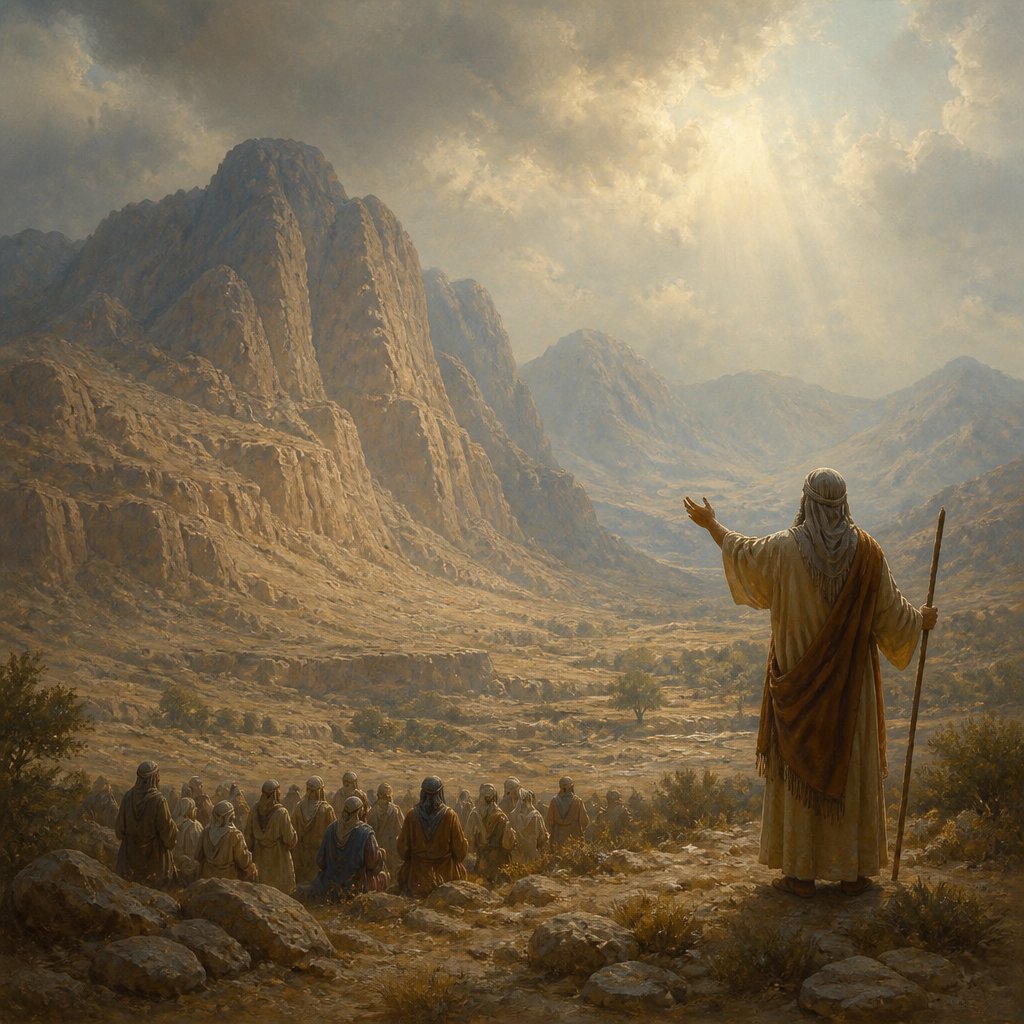
In the book of Micah, chapter 6, verse 2, we find a powerful proclamation from the prophet Micah, who speaks as the mouthpiece of God: "Hear ye, O mountains, the LORD'S controversy, and ye strong foundations of the earth: for the LORD hath a controversy with his people, and he will plead with Israel." This verse sets the stage for a divine courtroom scene, where God calls upon the very elements of creation, the mountains and foundations, to serve as witnesses against His people.
To fully appreciate the depth of this scripture, we must first contextualize it within the entirety of the book of Micah. This prophet arose during a tumultuous period in Israel's history, when corruption, injustice, idolatry, and spiritual apathy had become rampant among the people. Micah's messages were clear and relentless, warning of impending judgment if the people did not repent and return to the covenant faithfulness that God required of them.
The choice of the mountains and the strong foundations of the earth as witnesses is not merely poetic. These elements symbolize stability and permanence, reflecting God's enduring nature and unchanging truth. By calling upon them, God emphasizes the seriousness of His grievance; it is not a fleeting dispute but a profound and grave contention that warrants the attention of all creation. The earth we stand on—so stable, so solid—will testify to the righteousness of God's standards, which His people have violated.
God's "controversy" implies a legal accusation. It brings to mind a courtroom where evidence is presented, and judgments made. In Micah’s time, the people had strayed far from the paths set by the Lord. They had allowed their wealth and power to corrupt their hearts, abusing the poor and perverting justice. This comprehensive moral and spiritual failure highlights a critical issue: a failure to understand the character of God and the covenant relationship He desires with His people.
As we reflect on this verse, we might ask ourselves: what does it mean for God to have a controversy with me? In our contemporary world, the pitfalls remain as seductive as they were in Micah's day—greed, selfishness, injustice, and a tendency to prioritize personal comfort over communal responsibility. Unlike the Israelites who had the mountains witnessing their failures, we must recognize that our lives are equally scrutinized. The Lord has a desire to plead with us too, urging us to introspect and realign with His will.
God’s plea is not merely one of anger or condemnation but one of covenant love and desire for reconciliation. The term "plead" indicates that God is not merely an accuser. He is a loving and compassionate Father yearning for His children to return to Him. This underscores the truth that moments of repentance are sacred; they offer us the chance to restore broken relationships with the Almighty.
In practical terms, what does it entail to heed the call of the mountains? First, it calls us to recognize our own shortcomings and the ways we may have strayed from God's plans. Are there areas in our lives where we feel a sense of unrest? Perhaps it’s our relationships, our work ethics, or our treatment of the marginalized. The mountains invite us to be reflective.
Second, it urges us to turn back to God, to listen to His voice amidst the clamor of everyday life. To do justice, to love mercy, and to walk humbly with our God, as further articulated by Micah in chapter 6, verse 8. These are not just commands; they embody our call to live in reflection of God’s character.
Ultimately, in invoking the mountains, God reminds us of the enormity of His mercy and the invitation to come home. As long as we have breath, there is opportunity for reconciliation, for dialogue with God, who lovingly contends with us not for our ruin but for our restoration. Let us heed this divine call, allowing His truth to transform our hearts as we seek relationship over ritual, mercy over sacrifice, and love over indifference.
Want to reflect more on Micah 6:2?
Continue your spiritual journey with Bible Chat — an AI-powered tool for exploring God's Word through conversation. Ask questions, discover connections, and deepen your understanding.
Get Our Apps


Micah 6:2 Artwork

Micah 6:2 - "Hear ye, O mountains, the LORD'S controversy, and ye strong foundations of the earth: for the LORD hath a controversy with his people, and he will plead with Israel."
"Hear ye, O mountains, the LORD'S controversy, and ye strong foundations of the earth: for the LORD hath a controversy with his people, and he will plead with Israel." - Micah 6:2

Micah 2:6 - "Prophesy ye not, say they to them that prophesy: they shall not prophesy to them, that they shall not take shame."

Micah 6:6

Micah 6:8

"Prophesy ye not, say they to them that prophesy: they shall not prophesy to them, that they shall not take shame." - Micah 2:6

Micah 6:10 - "¶ Are there yet the treasures of wickedness in the house of the wicked, and the scant measure that is abominable?"

Micah 6:11 - "Shall I count them pure with the wicked balances, and with the bag of deceitful weights?"

Micah 5:2-5

Micah 6:6 - "¶ Wherewith shall I come before the LORD, and bow myself before the high God? shall I come before him with burnt offerings, with calves of a year old?"

Micah 6:12 - "For the rich men thereof are full of violence, and the inhabitants thereof have spoken lies, and their tongue is deceitful in their mouth."

Micah 6:13 - "Therefore also will I make thee sick in smiting thee, in making thee desolate because of thy sins."

Micah 4:6 - "In that day, saith the LORD, will I assemble her that halteth, and I will gather her that is driven out, and her that I have afflicted;"

Micah 6:1 - "Hear ye now what the LORD saith; Arise, contend thou before the mountains, and let the hills hear thy voice."

Micah 6:9 - "The LORD'S voice crieth unto the city, and the man of wisdom shall see thy name: hear ye the rod, and who hath appointed it."

Micah 6:3 - "O my people, what have I done unto thee? and wherein have I wearied thee? testify against me."

Micah 1:6 - "Therefore I will make Samaria as an heap of the field, and as plantings of a vineyard: and I will pour down the stones thereof into the valley, and I will discover the foundations thereof."

"¶ Are there yet the treasures of wickedness in the house of the wicked, and the scant measure that is abominable?" - Micah 6:10

Micah 2:5 - "Therefore thou shalt have none that shall cast a cord by lot in the congregation of the LORD."

Micah 6:4 - "For I brought thee up out of the land of Egypt, and redeemed thee out of the house of servants; and I sent before thee Moses, Aaron, and Miriam."

Micah 2:2 - "And they covet fields, and take them by violence; and houses, and take them away: so they oppress a man and his house, even a man and his heritage."

Micah 6:15 - "Thou shalt sow, but thou shalt not reap; thou shalt tread the olives, but thou shalt not anoint thee with oil; and sweet wine, but shalt not drink wine."

Micah 2:10 - "Arise ye, and depart; for this is not your rest: because it is polluted, it shall destroy you, even with a sore destruction."

Micah 7:6 - "For the son dishonoureth the father, the daughter riseth up against her mother, the daughter in law against her mother in law; a man's enemies are the men of his own house."

Micah 6:7 - "Will the LORD be pleased with thousands of rams, or with ten thousands of rivers of oil? shall I give my firstborn for my transgression, the fruit of my body for the sin of my soul?"

Micah 6:8 - "He hath shewed thee, O man, what is good; and what doth the LORD require of thee, but to do justly, and to love mercy, and to walk humbly with thy God?"

"Shall I count them pure with the wicked balances, and with the bag of deceitful weights?" - Micah 6:11

Micah 6:14 - "Thou shalt eat, but not be satisfied; and thy casting down shall be in the midst of thee; and thou shalt take hold, but shalt not deliver; and that which thou deliverest will I give up to the sword."

Micah 2:1 - "Woe to them that devise iniquity, and work evil upon their beds! when the morning is light, they practise it, because it is in the power of their hand."

2 Chronicles 34:20 - "And the king commanded Hilkiah, and Ahikam the son of Shaphan, and Abdon the son of Micah, and Shaphan the scribe, and Asaiah a servant of the king's, saying,"