The Inheritance of Glory: Understanding Micah 1:15
"Yet will I bring an heir unto thee, O inhabitant of Mareshah: he shall come unto Adullam the glory of Israel." - Micah 1:15
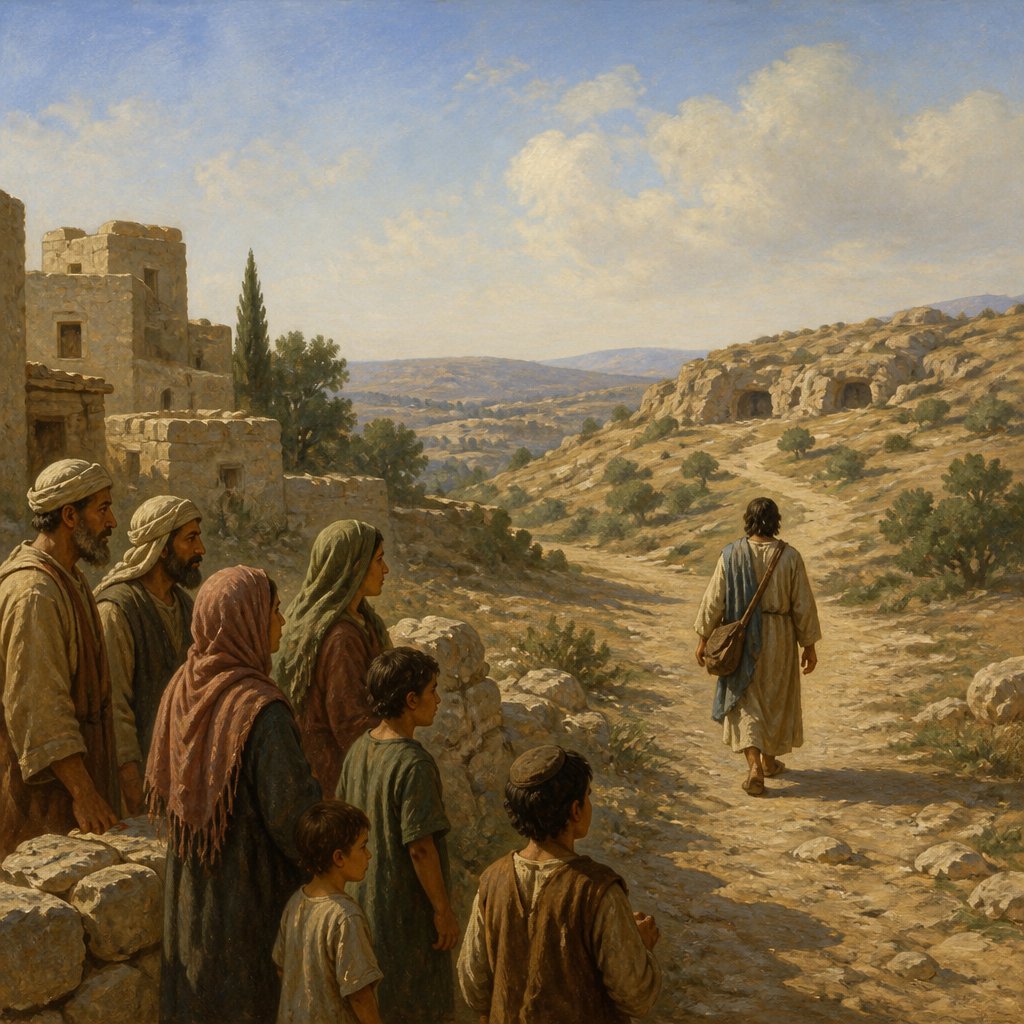
In the midst of God’s judgment announced through the prophet Micah, there emerges a profound promise in Micah 1:15 (KJV): "Yet will I bring an heir unto thee, O inhabitant of Mareshah: he shall come unto Adullam the glory of Israel." This verse, wrapped in its historical context, invites us to explore themes of hope, grace, and divine restoration even when upon the precipice of adversity.
Micah, a prophet active during a tumultuous period in Israel’s history, spoke words of caution and reproof against both Israel and Judah. Amidst societal injustice, idolatry, and moral decay, the inhabitants were facing the repercussions of their actions. The mention of Mareshah, a town located in Judah, speaks to the local context where Micah is delivering this message; it serves as a geographical marker saturated with spiritual significance.
Mareshah is famously known as a place of sieges and battles, yet the promise here is unique: God declares that He will bring an heir. This heir is not just a political figure but a representative of hope. In the lineage of David, from whom all future kings were to come, this is a promise of restoration and continuity of God’s covenant love with His people. Just as Israel was experiencing decline, God was not finished with them; His plans were still unfolding.
The imagery in the latter part of the verse, "he shall come unto Adullam the glory of Israel," evokes a deeper understanding of the Heir that God promises. Adullam, historically a cave reportedly used by David as a refuge while fleeing King Saul, points towards a significant messianic expectation. The glory of Israel is tied to recognition and deliverance. In the ancient world, the 'glory' signified the presence and power of God among His people, and this verse hints at an eventual restoration of that glory among the Israelites.
For us today, this text echoes a similar refrain of hope amidst despair. The inhabitants of Mareshah, facing judgment, were not abandoned. In our lives, when we descend into periods of distress or are overwhelmed by the weight of our consequences, we are reminded that God's promises remain true. The 'heir' that God speaks of may be a distant event in Micah’s time, but for us, it is no longer distant; it is a person—Jesus Christ. Through Him, we witness the epitome of God’s promise, the Glorious One who reclaims, restores, and redeems.
This inheritance is not just within the realm of the Israelites but extends to all who would believe in Christ. In the New Testament, Paul writes in Galatians 3:29 (KJV): "And if ye be Christ's, then are ye Abraham's seed, and heirs according to the promise." Through faith, we become partakers of the glory mentioned in Micah’s prophetic words. We are made heirs to the promises of God, inheriting hope, grace, and the very glory of God in our lives.
As we reflect on Micah 1:15, let us be a people who cling to the assurance that God does not bring devastation without a promise of restoration. Whether we face personal trials, societal upheaval, or spiritual dryness, we can hold fast to the reality that God is at work, bringing forth heirs—whether it be in our families, communities, or hearts. Let this knowledge guide us towards prayer and action, emboldening us to be vessels of the glory of God in a world that desperately needs to witness His redemption.
In conclusion, Micah's words reverberate with strength: God is faithful, He remembers His promises, and through Christ, we walk in the blessed assurance of being heirs of glory—a reminder that we are never without hope.
Want to reflect more on Micah 1:15?
Continue your spiritual journey with Bible Chat — an AI-powered tool for exploring God's Word through conversation. Ask questions, discover connections, and deepen your understanding.
Get Our Apps


Micah 1:15 Artwork

Micah 1:15 - "Yet will I bring an heir unto thee, O inhabitant of Mareshah: he shall come unto Adullam the glory of Israel."
"Yet will I bring an heir unto thee, O inhabitant of Mareshah: he shall come unto Adullam the glory of Israel." - Micah 1:15

1 Chronicles 9:15 - "And Bakbakkar, Heresh, and Galal, and Mattaniah the son of Micah, the son of Zichri, the son of Asaph;"

"And Bakbakkar, Heresh, and Galal, and Mattaniah the son of Micah, the son of Zichri, the son of Asaph;" - 1 Chronicles 9:15

Micah 5:15 - "And I will execute vengeance in anger and fury upon the heathen, such as they have not heard."

Micah 1:1 - "The word of the LORD that came to Micah the Morasthite in the days of Jotham, Ahaz, and Hezekiah, kings of Judah, which he saw concerning Samaria and Jerusalem."

Judges 18:15 - "And they turned thitherward, and came to the house of the young man the Levite, even unto the house of Micah, and saluted him."

Micah 7:15 - "According to the days of thy coming out of the land of Egypt will I shew unto him marvellous things."

Micah 5:2-5

Micah 1:5 - "For the transgression of Jacob is all this, and for the sins of the house of Israel. What is the transgression of Jacob? is it not Samaria? and what are the high places of Judah? are they not Jerusalem?"

Judges 17:1 - "And there was a man of mount Ephraim, whose name was Micah."

1 Chronicles 8:35 - "And the sons of Micah were, Pithon, and Melech, and Tarea, and Ahaz."

Micah 6:15 - "Thou shalt sow, but thou shalt not reap; thou shalt tread the olives, but thou shalt not anoint thee with oil; and sweet wine, but shalt not drink wine."

"And I will execute vengeance in anger and fury upon the heathen, such as they have not heard." - Micah 5:15

1 Chronicles 9:41 - "And the sons of Micah were, Pithon, and Melech, and Tahrea, and Ahaz."

1 Chronicles 9:40 - "And the son of Jonathan was Merib-baal: and Merib-baal begat Micah."

"The word of the LORD that came to Micah the Morasthite in the days of Jotham, Ahaz, and Hezekiah, kings of Judah, which he saw concerning Samaria and Jerusalem." - Micah 1:1

1 Chronicles 8:34 - "And the son of Jonathan was Merib-baal; and Merib-baal begat Micah."

1 Chronicles 5:5 - "Micah his son, Reaia his son, Baal his son,"

Micah 1:10 - "¶ Declare ye it not at Gath, weep ye not at all: in the house of Aphrah roll thyself in the dust."

Micah 1:14 - "Therefore shalt thou give presents to Moresheth-gath: the houses of Achzib shall be a lie to the kings of Israel."

Micah 1:12 - "For the inhabitant of Maroth waited carefully for good: but evil came down from the LORD unto the gate of Jerusalem."

Micah 1:9 - "For her wound is incurable; for it is come unto Judah; he is come unto the gate of my people, even to Jerusalem."

Micah 1:3 - "For, behold, the LORD cometh forth out of his place, and will come down, and tread upon the high places of the earth."

"And there was a man of mount Ephraim, whose name was Micah." - Judges 17:1

Micah 1:8 - "Therefore I will wail and howl, I will go stripped and naked: I will make a wailing like the dragons, and mourning as the owls."

"And they turned thitherward, and came to the house of the young man the Levite, even unto the house of Micah, and saluted him." - Judges 18:15
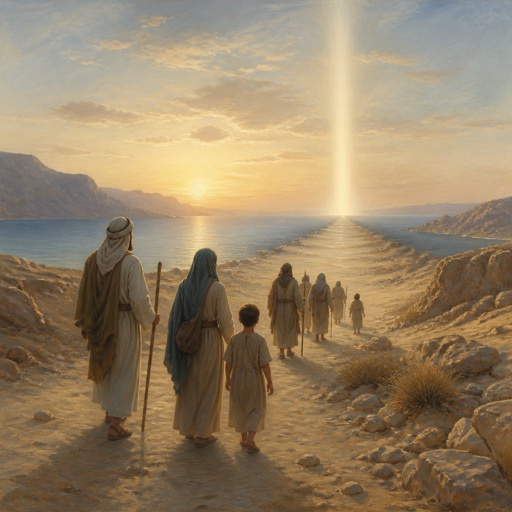
"According to the days of thy coming out of the land of Egypt will I shew unto him marvellous things." - Micah 7:15

Micah 2:1 - "Woe to them that devise iniquity, and work evil upon their beds! when the morning is light, they practise it, because it is in the power of their hand."

Micah 3:1 - "And I said, Hear, I pray you, O heads of Jacob, and ye princes of the house of Israel; Is it not for you to know judgment?"