Authority and Restoration: The Power to Forgive and Heal
"But that ye may know that the Son of man hath power on earth to forgive sins, (then saith he to the sick of the palsy,) Arise, take up thy bed, and go unto thine house." - Matthew 9:6
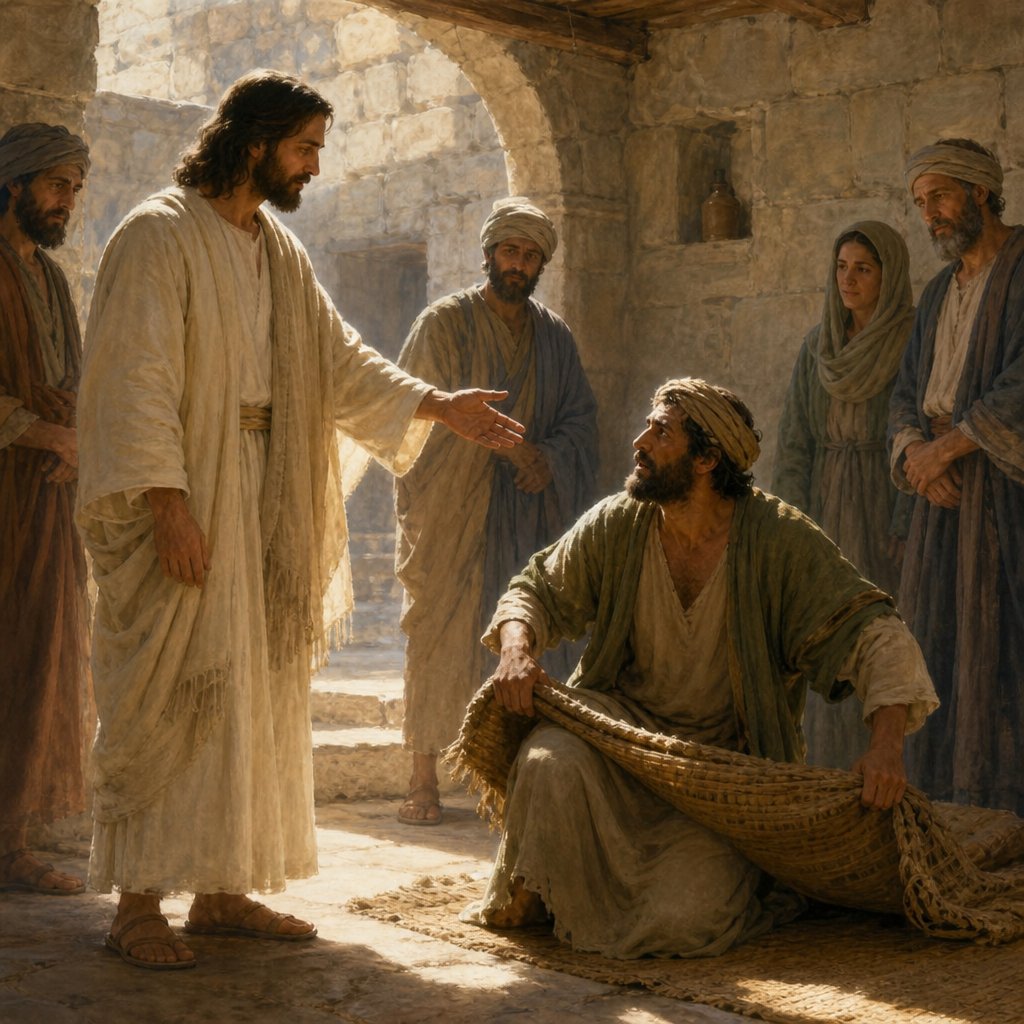
In the narrative of Matthew 9:6, we are presented with a powerful moment in the ministry of Jesus Christ where He declares, "But that ye may know that the Son of man hath power on earth to forgive sins, (then saith he to the sick of the palsy,) Arise, take up thy bed, and go unto thine house." This verse captures the profound authority Jesus wields—not just to heal physical ailments but, more significantly, to forgive sins, which speaks to both His divine nature and His mission on earth.
To understand the impact of this scripture, we must contextualize it within the events leading up to this proclamation. Jesus had just been approached by a group of friends who, driven by desperation and faith, lowered a paralyzed man through the roof of a crowded house where He was teaching. This act of faith alone is commendable, showcasing a deep belief in Jesus's capacity to intervene in their lives.
Upon seeing their faith, Jesus first addresses the man's greatest need—the forgiveness of sins. Imagine the shock and perhaps confusion that may have rippled through the crowd. The scribes present questioned within themselves, wondering how a mere man could claim to grant forgiveness that belonged solely to God. But Jesus, knowing their thoughts, seized this moment not only to challenge their understanding but to confirm His authority. "Son, be of good cheer; thy sins be forgiven thee" (Matthew 9:2, KJV).
This initial pronouncement uncovers a foundational truth about Jesus's ministry: he provides not just physical healing but spiritual restoration. In this moment, Jesus demonstrates that the state of a person's heart, soul, and relationship with God holds paramount importance. Forgiveness releases one from the chains of guilt, shame, and spiritual paralysis, while physical healing affirms God's love and His willingness to intervene in our suffering.
Yet, what follows reveals even more about the character and authority of Christ. He turns His attention to the crowd and says, "But that ye may know that the Son of man hath power on earth to forgive sins…" His words are a direct challenge to the authority of the religious leaders, encapsulating the dual role He serves as both Messiah and God incarnate. By healing the paralytic, He not only proves His power to perform miraculous acts but validates His claim to provide forgiveness—a radical truth that transcended societal norms.
The command, "Arise, take up thy bed, and go unto thine house," is an invitation for the paralyzed man to step into a new reality of freedom and purpose. It symbolizes more than mere physical healing; it foreshadows the new life that Jesus offers to all who believe in Him. This challenge to arise signifies awakening—a revival from spiritual and physical inactivity into vibrant faith and action. The man obeys, and as he rises, he embodies the transformative power of Christ's words, walking home restored, visibly changed, not just healed but also forgiven.
As believers today, we are encouraged to reflect on the implications of Jesus’s authority to forgive. We often carry burdens and sins that weigh us down, much like the paralytic's bed. Jesus invites us to come to Him with our struggles, extending the same forgiveness that He granted to the paralyzed man. In Him, we find that our past does not define our future; our failures are met with grace, and our hearts can be made whole.
Matthew 9:6 resonates beyond the physical healing witnessed in that house; it urges us to grasp the significance of Christ's forgiveness in our own lives. We are called to live in the light of that forgiveness, rise from our stagnancy, and move forward—taking up our beds of burdens and laying them down at the feet of Jesus. Through His power, we too can walk anew, carrying the message of His redemptive grace into the world.
Want to reflect more on Matthew 9:6?
Continue your spiritual journey with Bible Chat — an AI-powered tool for exploring God's Word through conversation. Ask questions, discover connections, and deepen your understanding.
Get Our Apps


Matthew 9:6 Artwork

Matthew 9:6 - "But that ye may know that the Son of man hath power on earth to forgive sins, (then saith he to the sick of the palsy,) Arise, take up thy bed, and go unto thine house."

Matthew 9:6 But that you may know that the Son of Man has power on earth to forgive sins”—then He said to the paralytic, “Arise, take up your bed, and go to your house.”
"But that ye may know that the Son of man hath power on earth to forgive sins, (then saith he to the sick of the palsy,) Arise, take up thy bed, and go unto thine house." - Matthew 9:6

Matthew 6:9-13

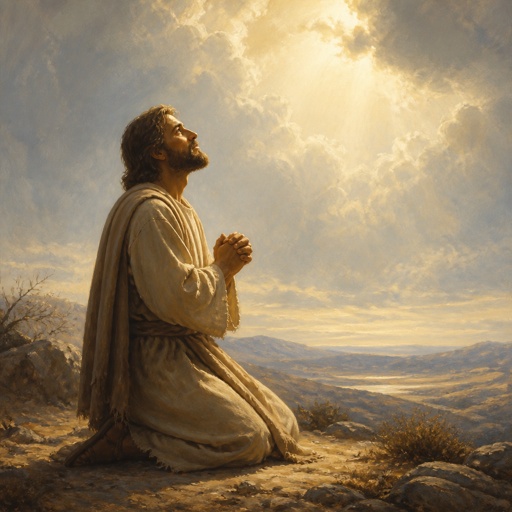
Matthew 6:9 - "After this manner therefore pray ye: Our Father which art in heaven, Hallowed be thy name."

Matthew 6:6

Matthew 9:21

Matthew 6:23

Matthew 9:21-22
"After this manner therefore pray ye: Our Father which art in heaven, Hallowed be thy name." - Matthew 6:9

Matthew 9:21-22

Matthew 9:21-22

Matthew 9:21-22

Matthew 9:21-22

Matthew 2:9

Matthew 9:9 - "¶ And as Jesus passed forth from thence, he saw a man, named Matthew, sitting at the receipt of custom: and he saith unto him, Follow me. And he arose, and followed him."

Matthew 2:9

Matthew 18:6

Matthew 6:34

Matthew 18:6

Matthew 6:18

Matthew 6:14

Matthew 6:22

Matthew 6:24

Matthew 6:30

Matthew 6:22

Matthew 6:5

Matthew 6:34

Matthew 6:24

Matthew 6:2