The Authority of Forgiveness: A Deep Dive into Matthew 9:5
"For whether is easier, to say, Thy sins be forgiven thee; or to say, Arise, and walk?" - Matthew 9:5
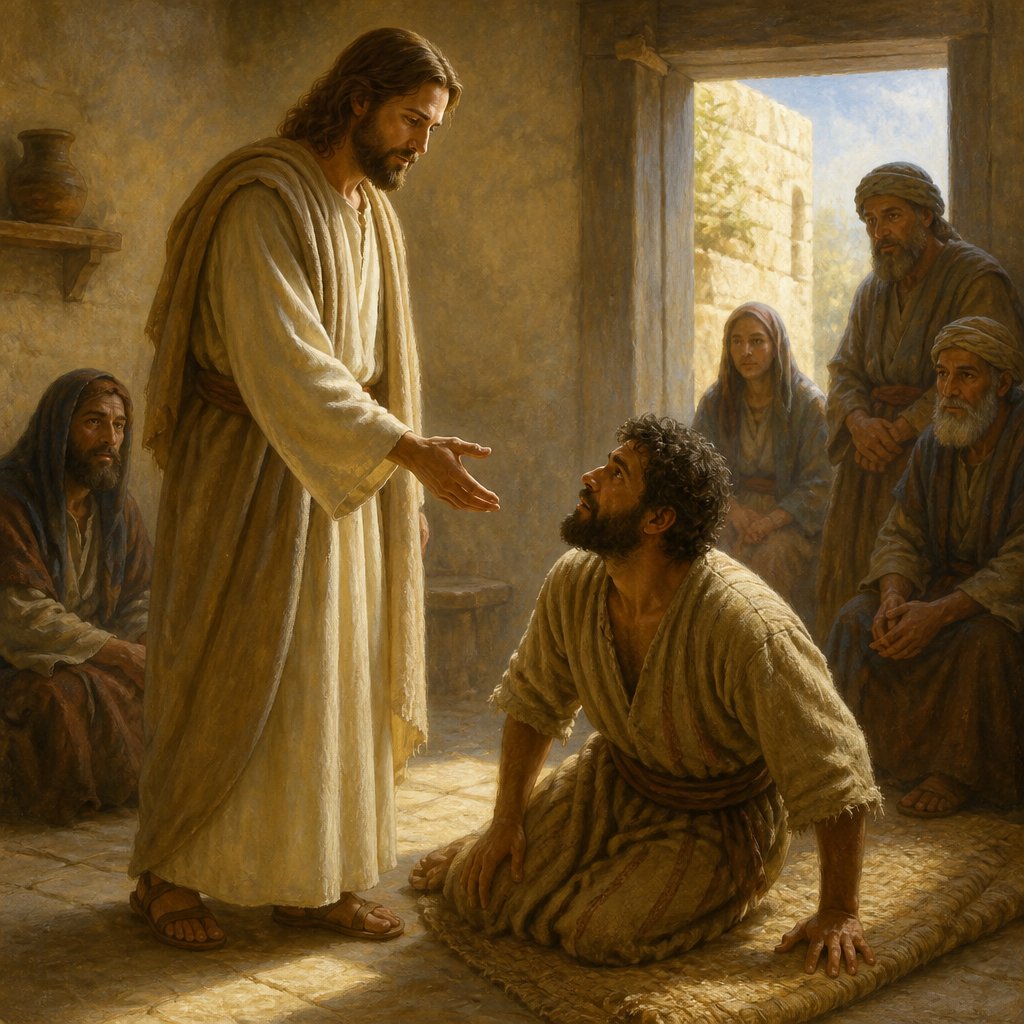
In the heart of Matthew 9:5, we encounter a profound moment that reveals the authority of Christ, not only as a healer but as the one who wields the power to forgive sins. The verse states: "For whether is easier, to say, Thy sins be forgiven thee; or to say, Arise, and walk?" This question posed by our Lord is laden with significance and calls for deeper reflection on the nature of His mission and our understanding of sin and healing.
To grasp the weight of this verse, let’s set the scene. Jesus is in Capernaum, where He has been performing miracles and teaching with authority. The healing of the paralytic man lowers from the roof by his friends is a remarkable display of faith. As Jesus sees their faith, He initiates the encounter by first pronouncing the man's sins forgiven. This act is shocking; it disrupts the expectations of the onlookers, particularly the scribes, who question Jesus’ implications regarding God’s authority. In their eyes, only God can forgive sins, and thus, by claiming to do so, Jesus is effectively making a bold declaration about His divine identity.
In Jewish culture, sickness and sin were often interlinked. Many believed that physical afflictions were a direct result of moral failings. Therefore, when Jesus declares forgiveness before offering physical healing, He challenges not only their theological understanding but also exposes the deeper need for restoration beyond mere physical health. Herein lies the first insight from this verse: **Forgiveness is more than a religious act; it is the pathway to true healing.** As individuals, we often seek solutions to our physical, emotional, or spiritual ailments without confronting the root issues—our sins. Christ illuminates that forgiveness opens the door to holistic redemption.
Next, we consider the phrase "whether is easier". On the surface, forgiving sins and healing a physical ailment might seem to carry different weights of difficulty. To heal a paralytic certainly requires a miraculous touch, a tangible demonstration of power. Conversely, to forgive sins seems to be a verbal claim without evidence. Yet, Jesus uses this rhetorical question not to downplay the weight of forgiveness but to emphasize the authority He possesses over both realms—spiritual and physical. **Indeed, forgiveness is a profound act that transforms the heart and restores relationship with God, and it is intricately linked to the workings of physical healing.**
This leads to a third point of reflection: **the implications of authority in forgiveness.** In the same breath that He pronounces forgiveness, Jesus also commands the man to arise and walk. The authority to forgive is ultimately demonstrated by the power to heal. In doing so, Christ illustrates that He is the bridge to both forgiveness and new life. This multifaceted authority extends not just to the individual before Him but to all of humanity. As believers, we must understand that in Christ, true forgiveness is available to all. It is not limited to certain sins or certain people, but it embraces us in our totality—spirit, soul, and body.
Finally, in our daily lives, the question posed—"which is easier?"—invites us to examine our approach to sin and its consequences. Are we attempting to walk in our own strength without seeking the forgiveness Christ offers? Are we overlooking the importance of addressing the spiritual before the physical? As we reflect on our own lives, let us not underestimate the power of Jesus’ words and the importance of His authority. Each time we confess and receive His forgiveness, we experience a beautiful release that not only relieves us from our burdens but equips us to walk in His freedom.
Matthew 9:5 serves as a reminder that in the life of a believer, both healing and forgiveness spring from the same source—Jesus Christ. He invites us to come, to believe, and to accept His all-encompassing salvation that restores our souls and sets us free to walk anew. May we sit in awe of His authority and respond to His invitation with open hearts, ready to be transformed.
Want to reflect more on Matthew 9:5?
Continue your spiritual journey with Bible Chat — an AI-powered tool for exploring God's Word through conversation. Ask questions, discover connections, and deepen your understanding.
Get Our Apps


Matthew 9:5 Artwork

Matthew 9:5 - "For whether is easier, to say, Thy sins be forgiven thee; or to say, Arise, and walk?"
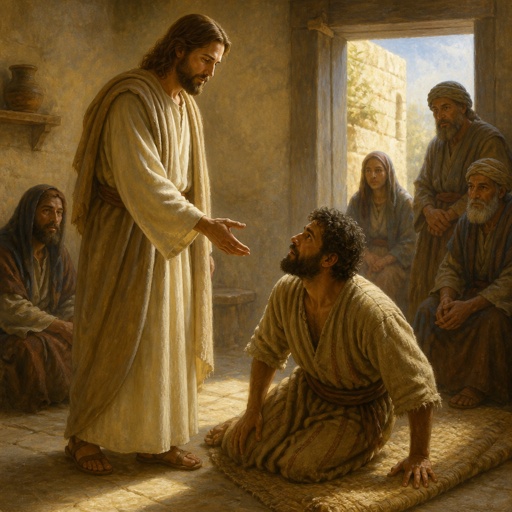
"For whether is easier, to say, Thy sins be forgiven thee; or to say, Arise, and walk?" - Matthew 9:5

Matthew 5:9 - "Blessed are the peacemakers: for they shall be called the children of God."

Matthew 5-9: Blessed are the peacemakers, for they will be called children of God.
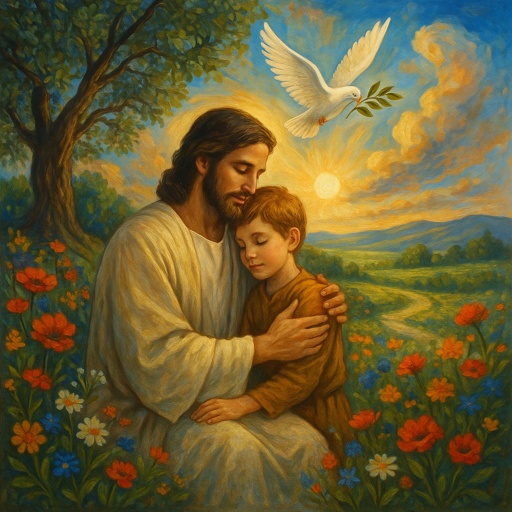
"Blessed are the peacemakers: for they shall be called the children of God." - Matthew 5:9

"Blessed are the peacemakers: for they shall be called the children of God." - Matthew 5:9

Matthew 9:21

Matthew 5:5 - "Blessed are the meek: for they shall inherit the earth."

Matthew 5:44

Matthew 5:44

Matthew 5

Matthew 5

Matthew 9:21-22

Matthew 9:21-22

Matthew 9:21-22

Matthew 9:21-22

Matthew 9:21-22

Matthew 5:44

Matthew 5:44

Matthew 5

Matthew 2:9

Matthew 9:9 - "¶ And as Jesus passed forth from thence, he saw a man, named Matthew, sitting at the receipt of custom: and he saith unto him, Follow me. And he arose, and followed him."

Matthew 2:9

Matthew 5:44

Matthew 5:44

Matthew 5:14

Matthew 5:44

Matthew 6:5

Matthew 5:14

Matthew 5:38